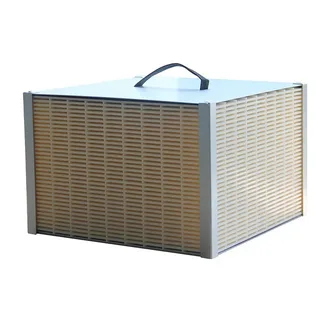
Indoor environments with changing occupancy require effective ventilation and temperature control to maintain comfort and manage energy use. Heat recovery ventilation air conditioning integrates fresh-air exchange with heating or cooling functions, transferring thermal energy between outgoing indoor air and incoming outdoor air. This process reduces the energy lost during ventilation and can help bring incoming air closer to the desired indoor temperature. In homes, offices, and other occupied buildings, ventilation demand may vary as carbon dioxide levels change throughout the day. Coordinating airflow with climate control can help maintain suitable indoor conditions while supporting continuous air renewal. This integrated approach also assists with managing heating and cooling demand during routine building operation.
Maintaining Stable Indoor Temperatures as Outdoor Weather Changes
Heat recovery technology helps buildings manage seasonal weather variations while maintaining suitable indoor temperatures. By transferring thermal energy from outgoing air to incoming fresh air, the system can reduce the effect of outdoor temperature changes on occupied spaces. In colder conditions, recovered warmth preheats the incoming air, potentially reducing the energy needed from the building’s heating equipment.
When outdoor temperatures rise, heat exchange may help moderate the temperature difference between incoming air and indoor spaces, depending on the system design and operating conditions. Ongoing ventilation also supports air distribution throughout the building, helping limit uneven conditions associated with insufficient airflow. These combined functions help maintain ventilation and thermal comfort as the seasons change.
This flexibility makes heat recovery useful in residential and commercial buildings with varying climate-control requirements. Maintaining more consistent indoor temperatures can support comfortable living and working conditions while helping manage energy demand throughout the year.
Coordinating Fresh-Air Supply with Energy-Efficient Climate Management
Integrating ventilation and temperature control can help buildings reduce avoidable energy consumption. Heat recovery equipment transfers energy from extracted indoor air to incoming outdoor air, allowing some previously generated heating or cooling energy to be reused. As a result, less adjustment may be needed to condition the incoming air once it enters the building.
Reduced demand on climate-control equipment can help lower electricity consumption and operating costs, although actual savings depend on system performance, climate, and building characteristics. Recovering thermal energy during air exchange also reduces the amount of conditioned air energy lost through routine ventilation. These functions can support more efficient resource use and help limit the environmental impact of building operations.
Evaluating air quality, ventilation, and temperature regulation together provides a more coordinated approach to indoor climate management. Systems combining fresh-air delivery and thermal recovery can help maintain comfortable conditions while supporting improved energy performance.
Adapting Indoor Climate Control with HRV Air Conditioning
HRV air conditioning combines heat recovery and ventilation to help regulate indoor conditions as seasonal requirements change. In colder weather, the system transfers warmth from outgoing indoor air to incoming outdoor air, potentially reducing the heating needed to condition the fresh-air supply. This can ease the demand on conventional heating equipment while helping maintain comfortable indoor temperatures.
During warmer periods, thermal exchange may help moderate the temperature of incoming air, depending on outdoor conditions and equipment configuration. Coordination with suitable cooling equipment can further support indoor temperature control and overall energy management.
By integrating fresh-air exchange with heat recovery, HRV air conditioning can suit buildings that require consistent indoor comfort throughout the year. The system allows ventilation to continue while reusing available thermal energy, helping balance air quality requirements with temperature regulation.
Recovering Thermal Energy without Interrupting Fresh-Air Delivery
Heat recovery ventilation systems allow buildings to introduce outdoor air while retaining some of the thermal energy carried by extracted indoor air. As outgoing air passes through the unit, its heat transfers to the incoming supply. This process can bring fresh air closer to the indoor temperature and reduce the additional heating or cooling required after ventilation.
Recovering energy may also help limit temperature fluctuations associated with introducing untreated outdoor air. Regular air exchange helps remove stale air and dilute certain indoor pollutants, while ventilation can assist with excess moisture management. Where suitable filters are fitted, some airborne particles may also be captured before incoming air reaches occupied areas.
This approach is valuable in buildings where indoor air quality, occupant comfort, and energy use all require attention. Treating heat recovery and ventilation as complementary processes helps maintain suitable indoor conditions while reducing thermal losses during regular air exchange.
Coordinating HRV and Air Conditioning for Changing Weather Conditions
HRV and air conditioning can complement one another by addressing fresh-air circulation and temperature regulation throughout the year. Heat recovery transfers thermal energy between extracted indoor air and incoming outdoor air, helping reduce heat loss and moderate temperature differences. In colder weather, this process can preheat incoming air before it reaches occupied spaces, potentially lowering supplementary heating requirements. When temperatures rise, air conditioning can provide additional cooling where indoor conditions become too warm.
Combining these functions gives building operators greater flexibility in responding to seasonal changes. Regular ventilation can continue while heat recovery limits some of the energy lost through air exchange. Depending on the system configuration and building characteristics, this coordination may also reduce the workload on separate heating and cooling equipment.
Together, HRV and air conditioning can help maintain comfortable indoor environments while supporting fresh-air delivery. Coordinated operation provides a practical way to address changing weather conditions and manage building energy performance.
Lowering HVAC Energy Demand through Heat Transfer
Thermal exchange can reduce the energy needed to condition incoming outdoor air by recovering heat from the outgoing airstream. Rather than allowing all the energy in exhausted air to escape, the system transfers part of it to replacement air. During colder periods, this recovered warmth can preheat the fresh-air supply and reduce the demand placed on heating equipment. Under suitable warmer conditions, heat transfer may also help limit unwanted heat entering the building.
Bringing incoming air closer to the desired indoor temperature can support a more stable environment while potentially reducing energy consumption. Lower conditioning requirements may also ease the operating demand on heating, ventilation, and air conditioning equipment. Incorporating heat recovery into an appropriately designed ventilation system can therefore help balance indoor comfort with more efficient heating and cooling.
Maintaining Seasonal Indoor Comfort with HRV Heating and Cooling
HRV heating and cooling combines thermal recovery and climate regulation to help buildings respond to changing outdoor conditions. In colder weather, heat from extracted indoor air can be transferred to incoming fresh air, reducing ventilation-related heat loss and potentially lowering the energy required to warm replacement air.
When outdoor temperatures increase, heat exchange may moderate the effect of incoming air on indoor conditions, while appropriate cooling equipment manages excess warmth. Coordinating these functions can help maintain comfortable temperatures and may reduce the workload on conventional HVAC components. Actual performance depends on equipment configuration, local climate, and the property’s ventilation and temperature-control requirements.
By combining fresh-air circulation with thermal energy recovery, HRV heating and cooling supports a coordinated approach to year-round building management. The system can maintain ventilation while reusing available heat, helping balance indoor comfort with energy consumption across changing seasons.
Cleaner Indoor Air through Heat-Recovery Ventilation
Heat-recovery ventilation can help maintain better indoor air quality by continuously removing used air and replacing it with filtered outdoor air. Before entering occupied spaces, incoming air can pass through filtration and thermal exchange processes, helping reduce the introduction of dust, allergens, and other airborne particles. Ongoing air replacement can also help regulate moisture levels and reduce the likelihood of conditions associated with mould and mildew.
Suitable filtration provides another layer of protection by capturing particulate matter and other unwanted substances carried in the incoming airflow. Continuous circulation can also prevent odours from becoming concentrated in enclosed areas, helping create a fresher indoor atmosphere. These benefits can be particularly relevant in tightly sealed modern properties where natural air leakage may not provide sufficient ventilation.
Heat-recovery ventilation therefore provides a way to maintain regular fresh-air exchange while limiting the energy penalty commonly associated with introducing outdoor air. Combining controlled ventilation, filtration, and thermal recovery can support cleaner interiors without unnecessarily increasing heating or cooling requirements.
Factors That Shape Heat-Recovery Ventilation Performance
Heat-recovery ventilation performance is influenced by equipment choice, system layout, installation quality, and regular maintenance. Correctly sizing the unit helps match airflow capacity to the building’s needs, while an unsuitable model may deliver inconsistent ventilation or recover less thermal energy than expected. Duct configuration and the positioning of air supply and extraction points also affect airflow distribution and the system’s ability to transfer heat effectively.
Scheduled maintenance helps keep the system operating properly by preventing filter blockages and identifying worn or damaged components. Building airtightness is another consideration, as unintended gaps can allow conditioned air to escape and undermine energy efficiency. Outdoor temperatures, local climate, and the quality of incoming air may also affect how the system performs under different conditions.
Taking the building’s structure and ventilation requirements into account during installation can improve operational consistency. When equipment, system design, maintenance, and property characteristics are properly aligned, heat-recovery ventilation can provide reliable air exchange and more effective energy use.
Reducing Ventilation Energy Losses through Heat Recovery Air Conditioning
Heat recovery air conditioning transfers thermal energy from outgoing indoor air to the fresh air entering a building, helping reduce the energy lost during ventilation. Preconditioning the incoming air can bring it closer to the required indoor temperature and reduce the additional heating or cooling needed to maintain comfortable conditions. This allows fresh-air circulation to continue while recovering some of the energy that would otherwise be discharged outdoors.
More stable indoor temperatures may also limit the need for frequent changes to climate-control settings. When integrated with air conditioning, heat recovery can help manage temperature differences caused by incoming outdoor air and potentially reduce demand on other heating and cooling equipment.
Combining ventilation with thermal energy recovery offers a coordinated method of regulating indoor conditions. By reusing available heat and limiting avoidable energy losses, these systems can support comfortable residential and commercial environments while promoting more efficient energy consumption.
Conclusion
Heat recovery ventilation air conditioning brings together controlled air replacement and heat transfer to help maintain suitable conditions inside buildings. When exhaust air is removed, some of its thermal energy can be used to condition incoming outdoor air before it enters occupied spaces. This can reduce the load on conventional climate-control equipment while allowing ventilation to continue. Residential properties, workplaces, and commercial buildings may benefit from this combined approach where fresh-air circulation is a priority. Appropriate sizing, installation, and maintenance help support effective airflow, indoor comfort, and responsible energy use.
FAQs
What happens inside a heat recovery ventilation air conditioning system?
Heat recovery ventilation air conditioning moves indoor exhaust air and outdoor supply air through separate channels within a heat exchanger. Thermal energy passes between the streams without directly mixing them, helping condition incoming air while replacing stale indoor air.
How can HRV air-conditioning reduce the workload of heating and cooling equipment?
HRV air-conditioning recovers some energy from the air being expelled and transfers it to the incoming supply. This preconditioning can reduce the temperature difference that heating or cooling equipment must overcome, potentially lowering its energy demand under suitable conditions.
How do HRV systems contribute to better indoor air quality?
HRV systems replace a portion of stale indoor air with outdoor air through controlled ventilation. Depending on system design and maintenance, this exchange can help manage excess moisture, unwanted odours, and some airborne contaminants. Suitable filters and properly adjusted airflow remain important for effective performance.
Which buildings can benefit from HRV heating and cooling systems?
HRV heating and cooling systems may be considered for residential homes, offices, and commercial buildings requiring consistent ventilation. Selection depends on occupancy, floor layout, local weather, airflow demand, and how the system will integrate with existing climate-control equipment.
Why is heat recovery relevant to maintaining comfortable indoor temperatures?
Heat recovery transfers some thermal energy from the outgoing air to the fresh air entering a building. By bringing the incoming air closer to the required indoor temperature, the system may reduce the additional heating or cooling needed while continuing to provide ventilation.
| Related Business Listings |
| Contact Directory |
| Local Business Profiles |