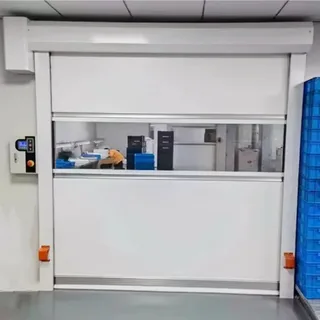
Efficient access is important in industrial facilities where deliveries, equipment, and staff need to move between work areas throughout the day. Industrial roll up doors operate by rolling vertically into a compact space above the entrance when opened. This design keeps the surrounding floor area clear, allowing forklifts, transport vehicles, machinery, and workers to pass through with fewer obstacles. Built to accommodate frequent operation in demanding settings, these doors provide practical access for commercial and industrial premises. They can also create a barrier between interior workspaces and external weather conditions. Their space-saving design and sturdy construction suit facilities that regularly handle incoming deliveries and the movement of materials.
Design Qualities That Support Demanding Industrial Use
Industrial and commercial facilities need entrance systems that perform consistently while making practical use of available space. Roll-up doors address these needs with a vertical opening mechanism that gathers the curtain above the doorway instead of extending across the surrounding floor. This layout leaves space available for vehicles, equipment, stored goods, and employees in areas where unobstructed access is important.
Built for frequent operation, these doors are suitable for warehouses, production plants, and distribution facilities with busy daily routines. Their structure provides a physical boundary between internal workspaces and external entrances while helping regulate access.
Depending on their materials and sealing arrangements, some models can also limit noise transmission, dust entry, and unwanted airflow between areas. Available designs enable businesses to choose features suited to their security, hygiene, insulation, and workplace movement requirements.
Material Options and Operating Mechanisms for Industrial Doors
Industrial roll-up doors are manufactured using different materials to accommodate varied working conditions. Galvanised steel can provide strength for entrances exposed to demanding use, whereas aluminium is lighter and offers corrosion resistance in damp environments. PVC doors are flexible and can facilitate rapid passage in settings where traffic is frequent but impact resistance requirements are less demanding.
The decision to install a manual or motorised system depends on entrance frequency and operational needs. Automated controls can make repeated opening and closing easier at busy sites where employees, vehicles, and machinery regularly move between areas.
Manual mechanisms may be appropriate for occasional use or locations with limited electrical access. Additional options, including insulated panels, reinforced sections, and vision panels, can address specific needs involving visibility, environmental separation, and operational safety.
Where Industrial Roll-Up Doors Support Daily Operations
Various industries use roll-up doors to manage access and maintain efficient movement across their facilities. Warehouses and distribution hubs may choose high-speed models to accommodate regular loading and unloading. Insulated designs can assist with temperature management in cold-storage facilities, while agricultural buildings may need robust doors to shield machinery, supplies, and animal housing from outdoor conditions.
Ports, airports, and transport depots can install these systems at service entrances used by freight vehicles and operational equipment. Their vertical movement suits locations experiencing frequent traffic throughout the day. In pharmaceutical production areas and cleanrooms, suitable door configurations may also help restrict the transfer of dust and airborne particles between controlled zones.
Operational Protection through Industrial Door Safety Features
Safety mechanisms help manage risks associated with powered and manually operated industrial doors. Depending on the system, sensors can identify obstacles in the doorway and trigger a stop or reversal. Such features are particularly relevant in shared environments where workers and forklifts operate close to moving entrance equipment.
Certain models include emergency release arrangements for alternative operation during power interruptions, depending on their design. Strong construction helps withstand routine workplace demands, while appropriate locking systems can restrict entry to designated areas.
Seals around the doorway may also reduce the entry of rainwater, dust, and debris when the door is shut. Scheduled inspections and maintenance help identify damaged parts, assess operating components, and confirm that safety mechanisms remain functional, supporting reliable use and workplace protection.
Regulating Indoor Conditions Using Industrial Roll Up Doors
Industrial roll up doors can limit unwanted air exchange between enclosed workspaces and outdoor areas. Designs featuring insulation and effective edge seals may help reduce draughts and heat transfer. These characteristics can benefit production plants, food-handling facilities, and pharmaceutical environments where maintaining appropriate indoor conditions is a priority.
Improved sealing and insulation may also help reduce the energy required for heating or cooling. Where operational needs justify faster opening systems, shorter opening periods can limit the entry of external heat, cold air, and humidity.
More consistent indoor conditions can support storage requirements, equipment performance, and everyday workplace activities. Choosing appropriate insulation and sealing options according to the building’s characteristics helps match the door’s environmental performance to its intended application.
Preparing for Reliable Industrial Roll-Up Door Installation
Installing an industrial roll-up door effectively requires an assessment of the entrance, building structure, and surrounding conditions. Opening dimensions, overhead space, operating frequency, and weather exposure all influence the installation plan. Typical work includes securing the guide rails, positioning the door curtain, and fitting the selected manual or motorised mechanism.
Accurate alignment and secure attachment allow the door to travel smoothly and close properly. Experienced installers can evaluate site conditions, apply appropriate installation methods, and consider relevant workplace safety requirements.
Where necessary, additional features such as insulated panels and viewing sections can be included in the design. Careful planning and precise fitting help establish consistent operation, maintain performance, and minimise problems associated with incorrect installation.
Routine Servicing to Keep Industrial Doors Operating Smoothly
Scheduled maintenance helps preserve the performance and reliability of industrial roll-up doors exposed to frequent use. Inspections should cover guide tracks, rollers, springs, and other mechanical components that experience ongoing movement. Applying suitable lubricants where required can reduce friction and help limit unnecessary wear on moving parts.
For automated doors, motors, sensors, and control units should be checked to identify faults before they interrupt normal operation. Seals also need attention because damaged or worn sections can allow draughts and reduce thermal performance. Loose fittings, unusual movement, or alignment problems should be corrected promptly to prevent further deterioration. Keeping door surfaces and accessible components clean can also help stop dirt and debris from interfering with operation.
Choosing an Industrial Door Design for Operational Requirements
The right industrial roll-up door depends on the facility’s daily activities, physical layout, and operating conditions. Important considerations include security needs, opening frequency, installation clearance, and exposure to changing weather. Entrances used throughout the day may benefit from faster operating mechanisms, while temperature-sensitive areas may require insulated construction to help maintain suitable indoor conditions.
Construction materials should also match the intended application. Steel can provide strength in demanding work areas, whereas lightweight PVC may suit locations where flexibility and rapid passage are priorities. Options such as perimeter seals, viewing panels, and automatic controls can provide additional benefits according to the site’s requirements.
Careful specification helps align the door’s features with established workflows and practical access needs. Allowing for possible changes in production, storage, or automation can also improve long-term suitability. Evaluating present conditions alongside future requirements helps businesses select a system that supports reliable operation as their activities evolve.
Choosing Durable Materials for Industrial Roll-Up Door Performance
The reliability of industrial roll-up doors depends on selecting appropriate materials and components for the demands of each workplace. Galvanised steel, aluminium, and reinforced PVC serve different purposes across industrial environments. Steel provides substantial strength and impact resistance, whereas aluminium combines lower weight with corrosion resistance in damp or exposed locations. Reinforced PVC is lightweight and flexible, making it suitable for entrances that require frequent, rapid movement.
Robust construction enables doors to withstand regular use and workplace pressures while reducing the likelihood of early wear. Reinforced edges, durable guide rails, and reliable lifting assemblies can further contribute to smooth operation and resistance to everyday impacts.
Professional fitting and routine maintenance are also essential for maintaining performance. When door materials and mechanical components suit the conditions in which they operate, industrial roll-up doors can provide consistent access over an extended period. Their sturdy design makes them practical for facilities aiming to minimise unnecessary disruptions to daily activities.
Emerging Developments in Industrial Door Technology
New developments in industrial roll-up door technology are creating additional opportunities to manage access, improve operational safety, and support energy efficiency. Obstruction detection systems can identify objects in the door’s path and help stop unsafe movement, especially in shared spaces used by workers, vehicles, and machinery. Remote operation and automated controls can also simplify entrance management in high-traffic facilities.
Advances in insulation can help limit heat transfer in buildings that require more consistent indoor temperatures. Meanwhile, greater emphasis on efficient material use and production methods reflects increasing consideration of environmental impacts.
Monitoring technology can provide information about door operation and help maintenance teams identify when servicing may be needed. Enhanced weather seals and sound-reducing features offer further options for facilities with specific environmental requirements. These improvements give facility managers additional ways to respond to evolving access needs, working conditions, and operational priorities.
Conclusion
Industrial roll up doors serve warehouses and production sites where regular access, robust construction, and consistent operation are important. Available configurations may include insulated sections, safety components, and varied surface finishes to suit different workplace conditions. The chosen material affects durability, resistance to environmental exposure, and the degree of thermal separation provided. Automated operation and improved insulation options can further address practical facility requirements. Careful specification, correct installation, and scheduled servicing help these doors accommodate routine goods handling, maintain controlled access, and support the daily demands of warehouse environments.
FAQs
Where are industrial roll up doors typically installed?
Common applications include distribution hubs, manufacturing plants, warehouses, and temperature-controlled storage buildings. Their upward opening movement minimises the floor space needed for door operation and allows staff, vehicles, and materials to pass through openings suited to the facility’s workflow.
What safety features may be available for industrial roll-up doors?
Depending on the model, safety provisions can include obstruction detection sensors, manual emergency releases, fall-prevention systems, and strengthened door assemblies. These features are intended to help reduce operational hazards and protect people, equipment, and stored products during regular use.
Which types of businesses can benefit from industrial roll-up doors?
Manufacturing facilities, logistics operators, farms, transport depots, and pharmaceutical sites may use these doors where access points experience frequent activity. The appropriate configuration depends on site dimensions, environmental exposure, security expectations, and the movement of vehicles or materials.
What should be considered when choosing an industrial roll-up door material?
Material selection should reflect the installation environment, required strength, moisture exposure, security requirements, and frequency of operation. Steel provides substantial strength, aluminium is comparatively lightweight and corrosion-resistant, while PVC may suit applications that require flexible, lightweight construction.
How can industrial roll-up doors help manage energy use?
Insulated door designs can limit heat transfer through openings and assist with maintaining indoor temperature conditions. Effective sealing and proper fitting may further reduce unwanted air exchange, which can be useful in buildings with substantial heating, cooling, or refrigeration requirements.
Which custom features are available for industrial roll-up doors?
Depending on the intended use, available options may include viewing sections, insulated construction, motorised operation, tailored finishes, and programmable controls. Selecting suitable features helps align the door with the site’s clearance limits, traffic patterns, security needs, and environmental conditions.
| Related Business Listings |
| Contact Directory |
| Local Business Profiles |