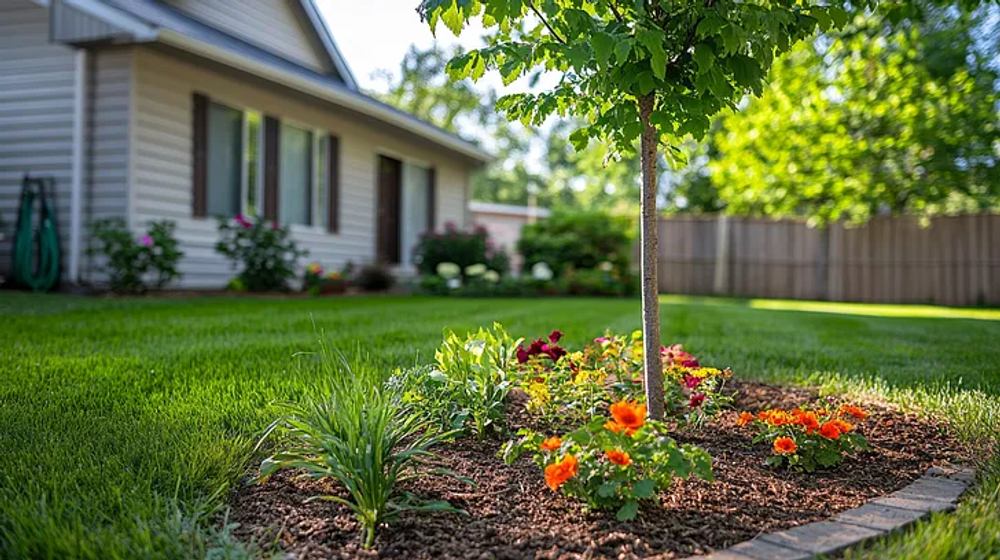
Landscaping North Shore Sydney homeowners invest in can transform an ordinary garden into a beautiful, practical, and welcoming extension of their home. Whether you want to redesign your backyard, improve your front garden, install a new lawn, or create an outdoor entertaining area, professional landscaping can help you make the most of your property.
Sydney’s North Shore features a diverse range of residential properties, from traditional family homes and heritage houses to modern architectural designs and compact urban gardens. Each property has different landscaping requirements, depending on its layout, soil conditions, sunlight, drainage, and the homeowner’s lifestyle.
A well-designed landscape does more than improve appearance. It creates functional outdoor areas, provides privacy, supports healthy plant growth, and makes everyday living more enjoyable. With careful planning and suitable materials, your garden can remain attractive and practical throughout the changing seasons.
Choosing the right landscaping approach is particularly important in the North Shore, where sloping blocks, established trees, shaded gardens, and varying soil conditions can influence the success of a project.
Why Professional Landscaping Matters on Sydney’s North Shore
A garden is often one of the first things people notice when approaching a property. An attractive front yard creates a welcoming entrance, while a thoughtfully designed backyard provides space for relaxation, entertaining, and family activities.
Professional landscaping brings together garden design, construction, planting, and practical planning to create an outdoor environment that suits your home.
Experienced landscapers assess the property before recommending improvements. They consider how sunlight moves across the garden, where water collects during rainfall, which areas need privacy, and how different features will work together.
For homeowners seeking Landscaping North Shore Sydney services, professional guidance can also help prevent costly mistakes. Poor drainage, unsuitable plants, unstable retaining walls, and incorrectly installed paving can create ongoing problems if they are not addressed during the planning stage.
A successful landscaping project balances appearance with functionality. Instead of adding features simply because they look attractive, the design should reflect how you intend to use the space and how much maintenance you can comfortably manage.
Landscaping Services for North Shore Homes
Every outdoor space has different opportunities and challenges. Some gardens need a complete transformation, while others can benefit from targeted improvements.
Professional landscaping services can be adapted to suit the size, condition, and design of your property.
Garden Design and Planning
Garden design establishes the foundation for a successful landscaping project. Before construction begins, a landscaper evaluates the available space, existing vegetation, architectural style, and your preferred outdoor features.
The design may include garden beds, pathways, lawn areas, retaining walls, screening plants, outdoor seating, and entertainment zones.
For example, a compact garden may benefit from simple pathways, carefully positioned plants, and a limited selection of materials to make the space feel more open. A larger property may accommodate separate areas for dining, recreation, relaxation, and gardening.
Planning also helps you prioritise spending. Essential work, such as drainage improvements and ground preparation, can be completed before decorative features are introduced.
A well-prepared design reduces uncertainty and helps ensure that the finished garden feels cohesive rather than like a collection of unrelated features.
Complete Garden Renovations
An outdated garden can affect the overall appearance and usability of your property. Overgrown shrubs, damaged paving, uneven lawns, and poorly defined garden beds may make the outdoor space feel neglected.
Garden renovations focus on improving existing landscapes while retaining useful features where possible.
Depending on the property’s condition, renovation work may include removing unwanted plants, reshaping garden beds, replacing turf, installing new pathways, improving drainage, and refreshing the planting scheme.
A renovation is also an opportunity to reconsider how the garden is used. You might replace an unused lawn with a low-maintenance garden, introduce a seating area beneath established trees, or improve access between the house and backyard.
The result should reflect your current lifestyle rather than simply reproduce the original layout.
Lawn Installation and Turfing
A healthy lawn can provide a practical and attractive centrepiece for a residential garden. It offers space for children to play, pets to move around, and family members to enjoy the outdoors.
Professional landscapers can help you select suitable turf based on sunlight, soil conditions, drainage, foot traffic, and maintenance requirements.
Some North Shore properties have open, sunny lawns, while others feature shaded areas beneath mature trees. These differences affect which grass varieties are appropriate.
Preparing the ground correctly is essential. The process may involve removing existing vegetation, levelling the surface, improving soil conditions, and addressing drainage issues before installing new turf.
Without proper preparation, a new lawn may develop uneven patches, poor growth, or persistent water problems.
Retaining Walls and Sloping Gardens
Sloping blocks are common across parts of Sydney’s North Shore. Although uneven ground can make landscaping more complicated, it also creates opportunities for layered gardens and interesting outdoor layouts.
Retaining walls can help manage changes in elevation, support garden beds, and create more usable areas for seating, lawns, and pathways.
Depending on the property and design, materials may include natural stone, concrete blocks, timber, or other suitable products.
Retaining walls must be designed with ground conditions, wall height, drainage, and soil pressure in mind. Larger or more complex structures may require engineering input and approval checks.
Professional planning is especially important when landscaping affects existing buildings, boundaries, neighbouring properties, or established drainage systems.
Paving and Garden Pathways
Paving makes outdoor areas easier to navigate and provides durable surfaces for entertaining, dining, and everyday access.
Popular options include natural stone, concrete pavers, porcelain pavers, and other outdoor-rated materials. The right choice depends on your budget, preferred appearance, slip resistance, and the property’s exposure to weather.
Pathways can connect the front entrance to the backyard, lead visitors through garden beds, or provide convenient access to outdoor living areas.
Installation quality is just as important as material selection. A stable base, correct ground preparation, and appropriate drainage help prevent uneven surfaces and water pooling.
For a cohesive appearance, paving materials should complement the home’s exterior, garden planting, and other outdoor finishes.
Outdoor Entertaining Areas
Many North Shore homeowners want gardens that support outdoor living throughout the year.
An entertaining area can include a paved patio, outdoor dining space, pergola, garden seating, or a landscaped connection between indoor living areas and the backyard.
The design should consider how many people will use the space, how furniture will be arranged, and whether shade or privacy is needed.
For smaller properties, a compact patio surrounded by attractive planting can provide a comfortable retreat without taking up too much garden space.
Larger properties may accommodate separate dining and relaxation zones connected by pathways or lawn areas.
Careful positioning of lighting, screening plants, and seating can make the area more comfortable while maintaining a natural relationship with the surrounding garden.
Garden Maintenance and Planting
Healthy plants bring colour, texture, shade, and character to an outdoor space. However, selecting plants requires more than choosing attractive flowers or shrubs.
Professional landscapers consider sunlight, soil type, drainage, available space, mature plant size, and ongoing maintenance requirements.
Planting can be arranged in layers, with ground covers, smaller shrubs, feature plants, and trees creating depth and visual interest.
For homeowners who prefer a tidy, structured appearance, clipped hedges and defined garden beds may be suitable. Those who prefer a more natural look may choose mixed planting with varied foliage and seasonal flowers.
Regular maintenance helps preserve the design. Depending on the garden, this may include pruning, weed control, lawn care, mulching, irrigation adjustments, and replacing damaged plants.
Landscaping for Different North Shore Property Types
One of the main advantages of professional landscaping is the ability to adapt the design to the property rather than relying on a standard layout.
Traditional and Heritage Homes
Traditional homes often benefit from landscaping that complements their architectural character.
Established trees, structured hedges, symmetrical garden beds, natural stone, and traditional pathways can create a balanced appearance.
However, existing vegetation should be assessed before major changes are made. Mature trees may provide valuable shade, privacy, and character that would take many years to replace.
Where heritage considerations apply, homeowners should check any relevant requirements before changing significant landscape features.
Modern Residential Properties
Contemporary homes often suit clean lines, simple planting schemes, and carefully selected outdoor materials.
Large-format paving, architectural plants, defined lawn areas, and subtle lighting can create a refined appearance.
The garden should complement the building without competing with its design. Repeating a small number of materials and plant forms can help create a consistent look throughout the outdoor space.
Small Courtyards and Compact Gardens
Limited space does not prevent you from creating an attractive garden.
Compact outdoor areas often benefit from vertical planting, narrow garden beds, space-saving seating, and simple paving layouts.
Plants should be selected according to their mature size to prevent overcrowding. Containers can introduce flexibility, while carefully positioned screening plants may improve privacy.
Keeping the design relatively simple can make a small courtyard feel more spacious and easier to maintain.
Family-Friendly Backyards
Family gardens need to balance appearance, safety, and practicality.
An open lawn, shaded seating, accessible pathways, and clearly defined planting areas can create a versatile outdoor environment.
The design should reflect the ages and needs of household members. Plant selection should consider thorny foliage, potentially toxic species, and other relevant safety concerns.
Durable materials and practical layouts can help the garden accommodate everyday activities without requiring constant upkeep.
Choosing Plants for North Shore Sydney Gardens
Plant selection is one of the most important parts of landscaping because it influences the garden’s appearance, maintenance needs, and long-term health.
The North Shore contains a variety of garden environments. Some properties have deep, shaded areas beneath established trees, while others receive strong sunlight throughout the day.
Plants for Shaded Gardens
Shaded gardens can be challenging because many flowering plants need several hours of direct sunlight.
Suitable choices may include selected clivias, native violets, ferns, and shade-tolerant ground covers, depending on the soil, moisture, and amount of available light.
Before planting, determine whether the area receives full shade, partial shade, or filtered sunlight. These conditions can produce very different results.
It is also important to consider competition from established tree roots, which may reduce the water and nutrients available to new plants.
Native Australian Plants
Australian native plants can create attractive gardens while supporting local wildlife when suitable species are selected.
Depending on the conditions, options may include westringia, lomandra, native violets, selected grevilleas, and other locally appropriate species.
Some native plants tolerate dry conditions once established, while others prefer more consistent moisture or specific soil conditions.
Native planting is not automatically maintenance-free. Pruning, watering during establishment, weed control, and occasional soil care may still be required.
Low-Maintenance Garden Design
Many homeowners prefer a garden that looks good without requiring hours of weekly work.
A low-maintenance design may use hardy plants, suitable ground covers, mulched garden beds, efficient irrigation, and durable pathways.
Reducing the number of plant varieties can also simplify maintenance, particularly when the selected plants share similar growing requirements.
However, low maintenance does not mean no maintenance. Plant growth, weeds, seasonal changes, and weather conditions still influence how much attention the garden needs.
Managing Drainage, Soil, and Established Trees
The physical conditions of your property can have a major effect on landscaping results.
Improving Garden Drainage
Poor drainage can lead to waterlogged lawns, damaged plants, soil erosion, and moisture issues around buildings.
A landscaper should assess ground levels and water movement before recommending changes. Depending on the site, solutions may include regrading, drainage channels, improved soil preparation, or a professionally designed drainage system.
Drainage work must be planned carefully so that runoff does not create problems for neighbouring properties or existing structures.
Understanding Soil Conditions
Soil conditions vary across the North Shore. Some gardens may have clay-rich soil, while others contain sandy or mixed soils.
Clay soils can drain slowly and become compacted, while sandy soils may lose moisture quickly. These differences affect plant selection, watering, and soil preparation.
Adding suitable organic matter can improve the structure of many garden soils, although the correct approach depends on the existing conditions and intended planting.
Soil testing may be useful when nutrient levels, pH, or drainage characteristics are uncertain.
Protecting Established Trees
Mature trees are valuable landscape features because they provide shade, character, and habitat.
However, landscaping around established trees requires care. Excavation, soil compaction, paving, and changes in ground levels can damage roots.
Before undertaking major work near a significant tree, consider whether an arborist should assess the site. Tree protection requirements may also apply under local regulations.
A thoughtful design can preserve established vegetation while improving the surrounding garden.
How Much Does Landscaping Cost on Sydney’s North Shore?
Landscaping costs depend on the size of the project, material choices, site access, labour requirements, and the complexity of the work.
A simple garden refresh will generally cost less than a complete renovation involving excavation, retaining walls, paving, drainage, and extensive planting.
The main factors affecting your budget include:
Design and planning: Complex layouts, detailed plans, and specialist advice may increase upfront costs but help guide the project.
Ground preparation: Excavation, soil improvement, levelling, and removal of existing materials can influence the overall price.
Materials: Natural stone, premium paving, decorative features, and specialised products may cost more than basic alternatives.
Plant selection: The size, maturity, quantity, and type of plants all affect the planting budget.
Site access: Narrow side passages, steep driveways, and restricted access can make transporting materials and equipment more difficult.
Drainage and structural work: Retaining walls, drainage systems, and engineering requirements can add significant costs to some projects.
To manage your budget, ask for an itemised quotation that explains the proposed work, materials, exclusions, payment terms, and expected time frame.
It is also sensible to allow some flexibility for unexpected conditions uncovered during excavation or ground preparation.
Rather than choosing a contractor based only on the lowest quote, compare the scope of work and quality of materials to understand the value being offered.
How to Choose the Right Landscaping Company
Choosing the right professional can make a substantial difference to the quality and smooth running of your project.
Start by reviewing previous projects. Look for examples that resemble your property’s size, slope, garden style, or intended improvements.
Ask about experience with North Shore conditions, including shaded gardens, established trees, drainage challenges, and sloping blocks.
You should also confirm insurance, relevant licences where required, and whether any proposed work needs council approval or specialist input.
Before accepting a quotation, make sure it clearly identifies the work to be completed, the materials included, the expected schedule, and any exclusions.
Communication matters throughout the process. A good landscaper should listen to your requirements, explain the practical options, and discuss potential challenges before work begins.
References from previous customers can provide additional insight into workmanship, reliability, and project management.
Ultimately, choose a landscaping professional whose experience and approach match the needs of your property.
Why Local Experience Makes a Difference
Working with professionals experienced in Landscaping North Shore Sydney properties can help you make more informed decisions about design, planting, and construction.
Local knowledge can be particularly valuable when dealing with established gardens, sloping blocks, drainage concerns, and varied soil conditions.
An experienced landscaper can assess how these factors affect your project and recommend practical solutions based on the site.
The North Shore includes many suburbs and property styles, so the ideal approach for a modern home in one area may differ from the needs of a traditional property elsewhere.
A site-specific assessment helps ensure the design reflects your property’s characteristics rather than following a generic landscaping plan.
Maintaining Your Newly Landscaped Garden
A newly completed garden needs appropriate care to establish successfully.
New plants and turf generally require careful watering during their establishment period. The amount and frequency depend on the species, weather, soil conditions, and drainage.
Mulching can help conserve soil moisture, suppress weeds, and regulate soil temperature. Keep mulch away from direct contact with tree trunks and plant stems.
Regular pruning helps maintain plant shape and removes damaged growth, while weed management prevents unwanted plants from competing for water and nutrients.
Lawns may need seasonal mowing, feeding, and occasional aeration, depending on the grass variety and soil conditions.
It is also worth checking paved areas, retaining walls, and drainage systems periodically. Persistent water pooling, unexpected cracking, or movement should be assessed before the problem becomes more serious.
If you have limited time for garden care, ask your landscaper about an ongoing maintenance plan suited to your property’s requirements.
Transform Your Garden with Landscaping North Shore Sydney
A well-designed garden can improve the appearance, usability, and comfort of your home. Whether you want a modern outdoor entertaining area, a low-maintenance garden, a new lawn, or a complete landscape renovation, careful planning helps create a space that suits your lifestyle.
Professional Landscaping North Shore Sydney services can help you address site-specific challenges, select suitable plants, and combine materials and outdoor features into a cohesive design.
Start by identifying your priorities. Consider how you use your garden, which areas need improvement, and how much time you want to spend maintaining it.
Arrange a site assessment, discuss your ideas with an experienced landscaper, and request a clear quotation before committing to the work.
With the right design and quality workmanship, your outdoor space can become a natural extension of your home that remains attractive and practical for years to come.
Frequently Asked Questions
1. What landscaping services are available on Sydney’s North Shore?
Services commonly include garden design, lawn installation, planting, paving, retaining walls, drainage improvements, outdoor entertaining areas, garden renovations, and ongoing maintenance.
2. How much does landscaping cost on the North Shore?
The cost depends on the project size, materials, labour, site access, and construction requirements. An on-site assessment and itemised quotation provide the most reliable estimate for your property.
3. Which plants are suitable for North Shore gardens?
Suitable plants depend on sunlight, soil, moisture, and drainage. Options may include lomandra, westringia, native violets, selected grevilleas, clivias, and shade-tolerant ferns.
4. Can landscaping work on a sloping property?
Yes. Sloping gardens can incorporate retaining walls, terraced planting beds, steps, pathways, and carefully planned outdoor areas. Structural work may require engineering advice or regulatory approval.
5. Do I need council approval for landscaping?
Some projects require approval or additional checks, particularly those involving retaining walls, significant excavation, protected trees, drainage changes, or regulated structures. Requirements depend on the property and proposed work.
6. How long does a landscaping project take?
Small garden improvements may take a few days, while extensive renovations can take several weeks or longer. Weather, material availability, site conditions, and approval requirements can affect the schedule.
7. Is professional landscaping worth the investment?
Professional landscaping can improve outdoor functionality, presentation, and maintenance efficiency. The value depends on the quality of the design, the work completed, and how well the finished garden suits your needs.
8. How can I make my garden easier to maintain?
Choose plants suited to the site, use mulch appropriately, install efficient irrigation where needed, and create practical lawn and garden areas. A simple, well-planned design can reduce ongoing maintenance demands.