Maintaining hygiene and preventing hair contamination are essential requirements in many workplaces. From food processing facilities and commercial kitchens to healthcare environments and manufacturing operations, loose hair can create hygiene concerns and affect product safety.
A disposable hair net is a simple yet effective protective accessory designed to contain hair and reduce the risk of loose strands entering work areas, food products, or equipment.
These lightweight coverings are commonly used in industries where cleanliness, hygiene, and contamination control are important. They provide a convenient solution for employees, visitors, and contractors who need temporary hair protection.
Unlike reusable head coverings, disposable hair nets are designed for limited use and can be replaced when necessary. They are available in different materials, colours, sizes, and designs to suit various workplace requirements.
However, choosing the right product involves more than selecting an inexpensive option. Businesses must consider material quality, fit, breathability, hair coverage, workplace requirements, and supply reliability.
This guide explains the different types of disposable hair nets, their applications, benefits, and how to select suitable products for professional environments.
What Is a Disposable Hair Net?
A disposable hair net is a lightweight protective covering designed to contain hair and help prevent loose strands from escaping into surrounding environments.
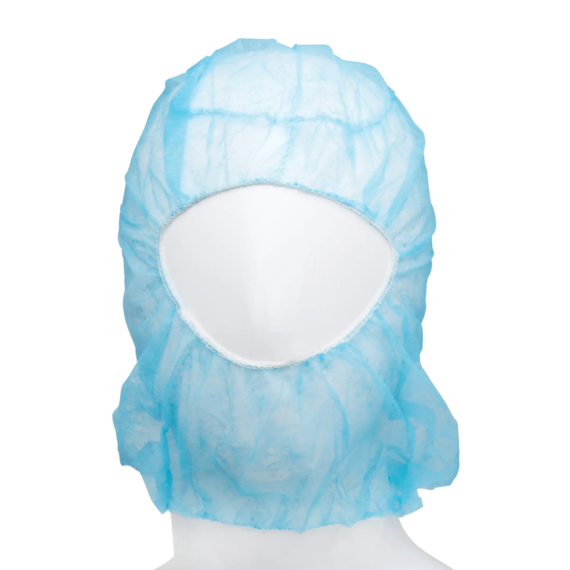
It is generally made from materials such as polypropylene non-woven fabric or lightweight nylon mesh, depending on its intended application.
Most disposable hair nets feature an elasticated edge that helps secure the covering around the head.
They are commonly used in workplaces where hygiene and contamination control are important.
Typical applications include:
- Food manufacturing facilities.
- Commercial kitchens.
- Food packaging operations.
- Restaurants and catering businesses.
- Healthcare environments.
- Pharmaceutical facilities.
- Laboratories.
- Cosmetic manufacturing.
- Industrial production areas.
Disposable hair nets are particularly useful in workplaces where multiple employees need suitable hair protection throughout their shifts.
Why Are Disposable Hair Nets Important?
Hair containment is an important part of maintaining workplace hygiene.
Loose hair can enter food preparation areas, production equipment, packaging, and other controlled environments.
Using suitable protective head coverings helps businesses manage this risk.
Reduce Hair Contamination
The primary purpose of a disposable hair net is to contain loose hair.
It helps prevent strands from falling into food products, manufacturing materials, or work surfaces.
This is particularly important in food production and packaging environments.
Support Workplace Hygiene
Hygiene procedures often require employees to wear suitable protective clothing.
A disposable hair net can form part of a broader personal protective equipment programme.
It may be used alongside gloves, protective gowns, aprons, masks, and other workplace hygiene products.
Improve Food Handling Practices
Food businesses must maintain suitable hygiene practices during preparation, processing, and packaging.
Hair coverings help reduce the possibility of physical contamination from loose hair.
They are commonly used in commercial kitchens, bakeries, food factories, and catering facilities.
Provide Convenient Single-Use Protection
Disposable hair nets are designed for convenient use and replacement.
Employees can use a fresh covering when entering designated work areas, according to workplace procedures.
This eliminates the need for routine laundering associated with reusable head coverings.
Support Workplace Hygiene Procedures
Businesses can include hair coverings in their employee hygiene policies.
Providing suitable products helps make protective equipment accessible to employees, visitors, and contractors.
Different Types of Disposable Hair Nets
Disposable hair nets are available in several designs and materials.
The right option depends on the level of coverage, workplace conditions, and intended application.
Polypropylene Disposable Hair Nets
Polypropylene hair nets are commonly used in food processing, manufacturing, and other hygiene-sensitive workplaces.
They are generally made from lightweight non-woven material.
Their key features include:
- Lightweight construction.
- Breathable material.
- Elasticated edges.
- Convenient single-use design.
- Practical workplace coverage.
These hair nets are suitable for many general hygiene applications.
Businesses should select products with appropriate dimensions and material specifications for their workplace requirements.
Nylon Mesh Hair Nets
Nylon mesh hair nets feature an open mesh structure designed to contain hair while allowing airflow.
They are available in different colours and mesh sizes.
Potential advantages include:
- Lightweight design.
- Flexible fit.
- Hair visibility through the mesh.
- Convenient coverage.
- Suitability for selected food service and hospitality applications.
The appropriate mesh size depends on the workplace’s hair containment requirements.
Bouffant Hair Nets
Bouffant hair nets feature a rounded, gathered design that provides additional space for containing hair.
They are commonly used in food manufacturing, healthcare, laboratories, and pharmaceutical environments.
Their wider shape can accommodate different hairstyles and longer hair.
Common features include:
- Generous head coverage.
- Elasticated perimeter.
- Lightweight material.
- Convenient single-use design.
- Available in different sizes and colours.
Bouffant styles are particularly useful where standard hair nets may not provide sufficient coverage.
Disposable Beard Nets
Beard nets are designed to contain facial hair and help prevent loose strands from entering work areas.
They are commonly used alongside disposable hair nets in food manufacturing and processing facilities.
They generally feature elastic edges that secure around the chin and face.
Businesses should assess whether facial hair coverings are required under their workplace hygiene procedures.
Coloured Disposable Hair Nets
Disposable hair nets are available in different colours, including white, blue, green, and other shades.
Colour selection can help businesses organise protective equipment across different departments.
For example, a facility may use different colours for specific production areas or employee groups.
This approach can support visual identification, although colour alone does not guarantee compliance with hygiene requirements.
Common Uses of Disposable Hair Nets Across Different Industries
Disposable hair nets are used in several industries where hair containment and cleanliness are important.
Understanding these applications helps businesses select appropriate products.
Food Processing and Manufacturing
Food processing facilities require careful contamination control throughout production.
Employees may handle ingredients, prepare products, operate equipment, and package finished goods.
Disposable hair nets help contain hair during these activities.
They are commonly used in:
- Meat processing.
- Dairy production.
- Bakery manufacturing.
- Seafood processing.
- Ready-made meal production.
- Food packaging facilities.
The selected hair net should provide suitable coverage and fit within the facility’s hygiene procedures.
Commercial Kitchens and Restaurants
Commercial kitchens need practical hygiene measures to protect food during preparation and handling.
Disposable hair nets can be used by kitchen employees, catering staff, and food preparation workers.
They are particularly useful in busy kitchens where employees work near exposed ingredients and prepared meals.
A comfortable fit is important because employees may need to wear protective head coverings throughout their shifts.
Healthcare Facilities
Healthcare environments may use disposable hair coverings as part of specific infection prevention and clinical hygiene procedures.
They can be required in selected treatment areas, procedure rooms, and controlled environments.
However, requirements differ between healthcare activities.
A disposable hair net should not automatically be considered a substitute for specialised surgical headwear or other required protective equipment.
Pharmaceutical Manufacturing
Pharmaceutical production often involves controlled environments where contamination prevention is important.
Disposable hair coverings can form part of employee gowning procedures.
The selected products should meet the facility’s documented requirements for material quality, cleanliness, and contamination control.
Laboratories
Laboratories may require hair coverings when working in designated clean or controlled areas.
Disposable hair nets help contain loose hair and support established workplace hygiene practices.
Requirements depend on the type of laboratory and the procedures being performed.
Cosmetic and Personal Care Manufacturing
Cosmetic manufacturing facilities handle products that require appropriate cleanliness during production and packaging.
Hair coverings can help reduce the risk of loose hair entering products or work areas.
They may be used alongside gloves, gowns, masks, and other protective accessories.
Benefits of Using Disposable Hair Nets
Disposable hair nets offer several practical benefits for businesses and employees.
Convenient Single-Use Design
Disposable products are designed for convenient use and replacement.
Employees can use a fresh hair net according to workplace procedures without requiring laundering.
Lightweight and Breathable
Many disposable hair nets use lightweight materials that allow airflow.
This can improve comfort during extended periods of wear.
However, breathability varies depending on the material and construction.
Easy to Distribute
Disposable hair nets can be supplied in bulk packs for convenient workplace distribution.
Storage near staff entrances, changing rooms, and hygiene stations makes them easier to access.
Suitable for Different Hair Types
Different sizes and styles can accommodate short hair, long hair, and larger hairstyles.
Bouffant designs provide additional space where standard coverings may not be sufficient.
Cost-Effective for Regular Use
Businesses with multiple employees often require large quantities of protective headwear.
Bulk purchasing can help manage unit costs and maintain consistent product availability.
Supports Hygiene Procedures
Hair coverings can form part of a broader workplace hygiene programme.
They work alongside suitable cleaning practices, protective clothing, hand hygiene, and employee training.
How to Choose the Right Disposable Hair Net
Selecting a suitable product requires consideration of the workplace environment and employee requirements.
Consider the Material
Material selection influences comfort, breathability, and product suitability.
Polypropylene non-woven hair nets are common for general workplace hygiene applications.
Nylon mesh products may suit applications where an open mesh design is preferred.
Review product specifications before making a purchasing decision.
Select the Correct Size
A hair net should fit securely without causing excessive pressure.
Consider the number of employees, hair lengths, and hairstyles within your workplace.
Bouffant designs may provide additional coverage for longer or thicker hair.
Check Hair Coverage
The product should contain the hair adequately for the intended application.
Pay particular attention to the hairline, sides, and back of the head.
For some workplaces, a separate beard net may also be necessary.
Evaluate Elastic Quality
The elastic edge helps keep the hair net in position.
Poor-quality elastic may loosen during movement or cause discomfort.
Choose products with secure, consistent construction.
Consider Breathability
Employees may wear hair coverings throughout their shifts.
Lightweight and breathable materials can improve comfort, particularly in warm kitchens and production facilities.
Review Product Specifications
Before purchasing, check:
- Material composition.
- Product dimensions.
- Colour.
- Elastic construction.
- Packaging quantity.
- Intended application.
- Manufacturer information.
This helps ensure that the selected product matches workplace requirements.
Disposable Hair Nets vs Reusable Hair Nets
Both disposable and reusable hair coverings are used in workplaces.
The right choice depends on hygiene procedures, operational requirements, and purchasing preferences.
Disposable Hair Nets
Disposable hair nets are designed for limited use and replacement.
Their main advantages include convenient distribution, no routine laundering, and suitability for workplaces that require single-use protective coverings.
They are particularly practical for visitors and employees entering designated hygiene areas.
Reusable Hair Nets
Reusable hair nets are designed for repeated use after appropriate cleaning.
They may be suitable for workplaces with established laundering and inspection procedures.
However, businesses must ensure that reusable products are cleaned, maintained, and replaced according to their hygiene policies.
Which Option Is Better?
Neither option is automatically suitable for every workplace.
Disposable products may be more convenient where single-use coverings are required.
Reusable products may suit operations with appropriate laundering systems.
The decision should reflect the facility’s hygiene requirements and risk assessment.
How to Wear a Disposable Hair Net Correctly
Using a hair net correctly is important for achieving adequate hair coverage.
Follow your workplace’s hygiene procedures and the manufacturer’s instructions.
Prepare Your Hair
Gather longer hair where necessary before putting on the covering.
Tie back hair securely so it can fit comfortably inside the hair net.
Inspect the Product
Check that the disposable hair net is clean and undamaged.
Do not use products with damaged elastic or visible defects.
Position the Hair Net
Hold the elastic edges and position the covering around the head.
Make sure it sits securely around the hairline.
Contain All Loose Hair
Tuck loose strands inside the covering.
Check the sides, back, and front of the head to ensure adequate coverage.
Combine With Other Protective Equipment
Depending on workplace requirements, employees may also need beard nets, masks, gloves, gowns, or protective clothing.
Hair coverings should be used as part of the complete hygiene procedure.
Replace When Necessary
Disposable hair nets should be replaced according to workplace policies.
Replace them if they become damaged, contaminated, excessively soiled, or lose their secure fit.
How to Buy Disposable Hair Nets in Bulk
Businesses that regularly use protective headwear can benefit from an organised purchasing process.
Calculate Workplace Requirements
Estimate how many employees need hair nets and how frequently products are replaced.
Consider shift patterns, visitor numbers, and production schedules.
Compare Product Specifications
Compare material, size, construction, packaging quantities, and intended applications.
Avoid selecting products based only on the lowest price.
Evaluate Supplier Reliability
Choose suppliers that offer consistent product quality and clear delivery arrangements.
Ask about stock availability, bulk pricing, minimum order quantities, and replacement policies.
Maintain Sufficient Inventory
Set minimum stock levels to prevent shortages.
Store products in a clean, dry location and protect them from contamination and packaging damage.
Consider Other PPE Supplies
Businesses may find it convenient to purchase hair nets alongside complementary protective products.
These may include disposable gloves, face masks, aprons, protective gowns, and beard nets.
Purchasing compatible products through a reliable supplier can simplify procurement.
Common Mistakes to Avoid When Using Disposable Hair Nets
Even a suitable hair net may not provide adequate coverage if selected or used incorrectly.
Avoid these common mistakes.
Choosing the Wrong Size
A hair net that is too small may fail to contain all hair.
Select a suitable size based on employee requirements.
Leaving Loose Hair Exposed
Loose strands around the hairline or neck can escape from an incorrectly positioned covering.
Check all areas before entering a hygiene-controlled workspace.
Reusing Single-Use Products
Disposable hair nets should not be reused unless the manufacturer specifically states that the product is suitable for reuse.
Follow workplace replacement procedures.
Ignoring Material Quality
Low-quality materials and weak elastic can affect fit and comfort.
Review product specifications before purchasing large quantities.
Overlooking Beard Coverage
Hair nets do not necessarily contain facial hair.
Employees with facial hair may require separate beard coverings under workplace hygiene procedures.
Poor Storage Practices
Disposable hair nets should remain protected from dust, moisture, and contamination before use.
Store them in suitable packaging and designated clean areas.
Final Thoughts
Maintaining workplace hygiene requires suitable protective equipment and consistent employee practices.
A disposable hair net provides a convenient way to contain hair and help reduce contamination risks in food processing, commercial kitchens, healthcare environments, laboratories, and manufacturing facilities.
Choosing the right product involves considering material, size, breathability, hair coverage, elastic quality, and workplace requirements.
Businesses should also evaluate supplier reliability, purchasing quantities, and storage arrangements when establishing a regular supply.
Whether you operate a commercial kitchen, food manufacturing facility, pharmaceutical production site, or healthcare environment, suitable hair coverings can support your broader hygiene procedures.
By selecting quality products and ensuring employees wear them correctly, businesses can maintain cleaner work areas and more consistent hygiene practices.
Frequently Asked Questions
What is a disposable hair net used for?
A disposable hair net is used to contain hair and help prevent loose strands from entering food products, work surfaces, equipment, or controlled environments. It is commonly used in food processing, healthcare, laboratories, and manufacturing.
What materials are disposable hair nets made from?
Disposable hair nets are commonly made from polypropylene non-woven fabric or lightweight nylon mesh. The appropriate material depends on the intended application and required coverage.
Are disposable hair nets suitable for food processing?
Yes. Suitable disposable hair nets are commonly used in food processing and packaging facilities to help contain hair and support workplace hygiene procedures. Products should meet the facility’s documented requirements.
What is the difference between a bouffant cap and a hair net?
A bouffant cap generally has a wider, gathered design that provides additional space for containing hair. Traditional hair nets may use a closer-fitting mesh structure. Both can be used for hair containment depending on workplace requirements.
Are disposable hair nets available in different sizes?
Yes. Disposable hair nets are available in different sizes and designs to accommodate different head sizes, hair lengths, and hairstyles. Check product dimensions before purchasing.
Can disposable hair nets be reused?
Disposable hair nets are generally intended for limited use and replacement. They should not be reused unless the manufacturer specifically identifies the product as reusable.
Are disposable hair nets breathable?
Many disposable hair nets are made from lightweight materials that allow airflow. Breathability varies depending on the material, mesh structure, and product design.
Do food handlers need to wear hair nets?
Food handlers may be required to use suitable hair coverings under workplace food safety procedures. Requirements depend on the type of food operation, applicable regulations, and the business’s food safety programme.
What is a beard net used for?
A beard net is designed to contain facial hair and help prevent loose strands from entering food production or other hygiene-sensitive work areas. It may be worn alongside a disposable hair net.
How do you wear a disposable hair net correctly?
Position the elastic edge around the hairline and ensure that all loose hair is contained. Check the front, sides, and back of the head before entering the designated work area.
Are disposable hair nets suitable for healthcare workers?
They may be suitable for selected healthcare activities where hair coverings are required. However, specialised clinical procedures may require specific surgical headwear or other protective equipment.
Can disposable hair nets be purchased in bulk?
Yes. Many PPE and hygiene suppliers offer disposable hair nets in bulk packs and cartons. Bulk purchasing can help businesses manage regular usage and maintain sufficient stock.
How often should disposable hair nets be replaced?
Replacement frequency depends on workplace procedures and product instructions. Replace a hair net when it becomes damaged, contaminated, excessively soiled, or loses its secure fit.
What colour disposable hair net is best?
White and blue are common options, although other colours are available. The best colour depends on workplace identification systems and operational preferences. Colour does not independently determine product suitability.
How should disposable hair nets be stored?
Store disposable hair nets in their original packaging or another suitable clean container. Keep them in a dry area away from dust, moisture, and potential contamination.
How do I choose a reliable disposable hair net supplier?
Look for suppliers offering consistent product quality, suitable sizes, clear specifications, competitive bulk pricing, and dependable delivery. Request product samples and review minimum order quantities before establishing a regular purchasing arrangement.