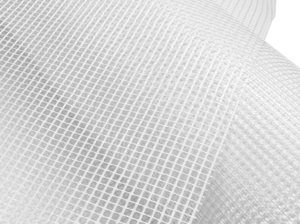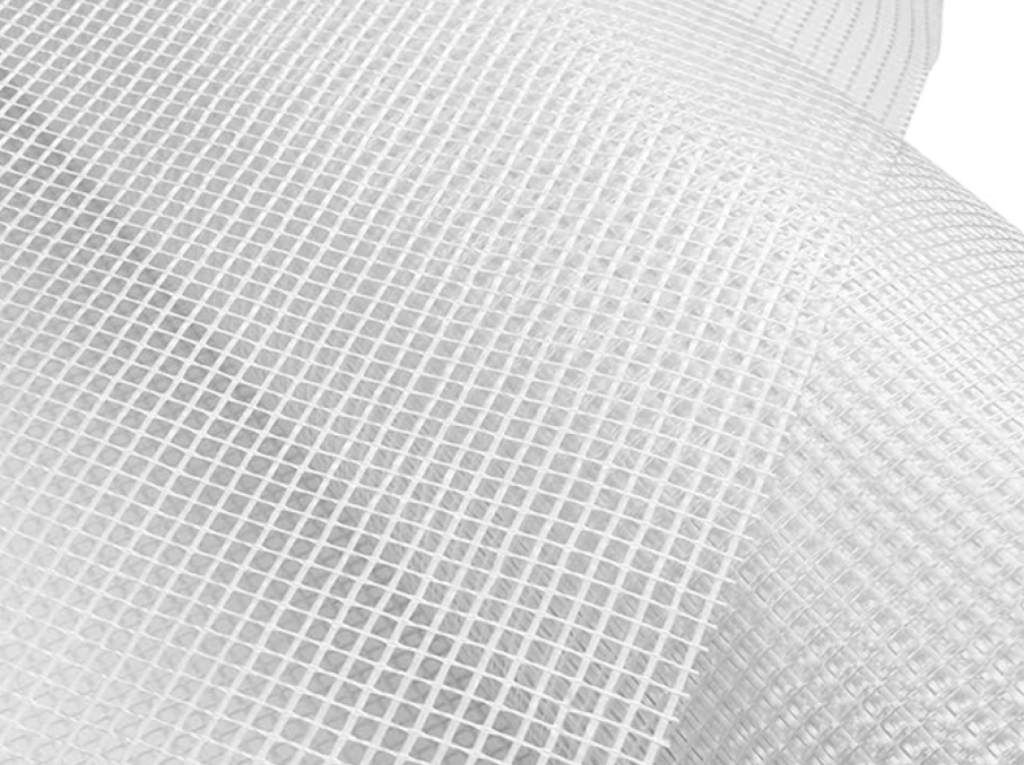
High-tensile strength glass fibers are the foundation of today’s engineering and manufacturing processes. With their combination of strength, durability, and lightweight, they are a key material across a wide range of industries, including construction, aerospace, automotive, marine, and electronics. They can sustain high levels of stress without losing their structural integrity and are often used as reinforcing agents to improve the life cycle of a product. As industries continue to demand materials that offer both efficiency and resiliency, there is a growing demand for high-tensile strength glass fibers. This guide will provide an overview of these fibers’ characteristics, manufacturing processes, physical properties, and how they are used in real-world applications.
What Are High-Tensile Strength Glass Fibers?
These are manufactured from silica-based raw materials that have been engineered to exhibit high tensile strength, which means they will resist breaking when placed under tension. The most common types of high-tensile glass fibres are E-Glass (electrical grade), S-Glass (structural grade), and C-Glass (chemical-resistant). S-Glass has the highest tensile strength of all high tensile glass fibres. Their diversity allows for shaping into fabrics, embedding into resins, and utilizing in insulation, making them useful in every industrial sector.
Manufacturing Process of Glass Fibers
To produce high-strength glass fibers, it is necessary to melt raw materials, such as silica sand, limestone, and alumina, at very high temperatures. The molten glass is then extruded through fine holes in a bushing device into continuous filaments. To maintain their structural integrity, the filaments are rapidly cooled, then given a chemical sizing to promote bonding with matrix materials. Depending on the intended application, the filaments are collected into strands, rovings, or mats. Because of the significant effect of manufacturing precision on the tensile strength and overall performance of the finished product, individual variations in production must be minimized.
Key Properties That Define Performance
Essential characteristics define the performance of high-strength glass fibers. The most significant characteristic is tensile strength, which allows the fiber to support a heavy load without deforming. High-strength glass fibers are also resistant to corrosion, moisture, and chemicals, which makes them suitable for use in a challenging environment. The high strength-to-weight ratio of high-strength glass fibers promotes structural efficiency without adding excessive weight to the structure. High-strength glass fibers also provide good thermal stability and electrical insulation, which makes them a perfect candidate for electrical and high-temperature applications. These characteristics contribute to the ability of high-strength glass fibers to offer long-lasting, reliable service in harsh conditions.
Advantages Over Traditional Materials
High-tensile strength glass fibre provides multiple benefits compared to traditional materials such as steel or aluminium; one of the most significant is that they are lightweight, which means less costly to transport and better energy efficiency for applications including automotive and aerospace manufacturing; they are also non-corrosive, like metals do and will rust or deteriorate over time, therefore requiring less maintenance than other materials, giving you more design freedom in that they can more easily be incorporated into complex designs. Additionally, many applications have proven glass fibres to be cost-effective, especially when you consider their long-term durability and lower maintenance costs.
Applications Across Industries
Most probably, these are used in so many different industries because of their versatility and performance characteristics. For example, they are used in construction to reinforce concrete, insulate and roof buildings, all helping to increase the strength and durability of these products. They are also used in the automotive industry to decrease the weight of vehicles while adhering to safety and crash test standards. In the aerospace industry, they are used to create lightweight structural elements that can withstand extreme conditions. In the marine industry, glass fibre composites are used to construct boats and ships that resist corrosion caused by seawater. Finally, they are used in wind turbine blades, electrical insulating materials, and sporting goods, demonstrating their versatility.
Challenges and Limitations
First, because of the brittleness of high-tensile fiberglass, there is a risk of breaking due to an extreme impact or a large amount of bending. Also, while they are strong in tension, they may need additional support for applications that include compressive or shear loads. Another disadvantage of glass fiber composites is that they can be difficult and expensive to recycle, which raises concerns regarding the environment. It is crucial to address these issues related to this product to facilitate efficient and sustainable use of high-tensile fiberglass.
The End
Industries around the world have experienced a shift in how they think about both material design and performance due to the introduction of high-tensile-strength glass fibers into today’s marketplace. High-tensile-strength glass fibers are extremely strong, durable, versatile, and can be used for many purposes in multiple industrial environments, including construction, transportation, energy, electronics, etc. Engineers demand reliable solutions from materials, so high-tensile-strength glass fibers continue to offer engineers many reliable solutions to meet these demands.