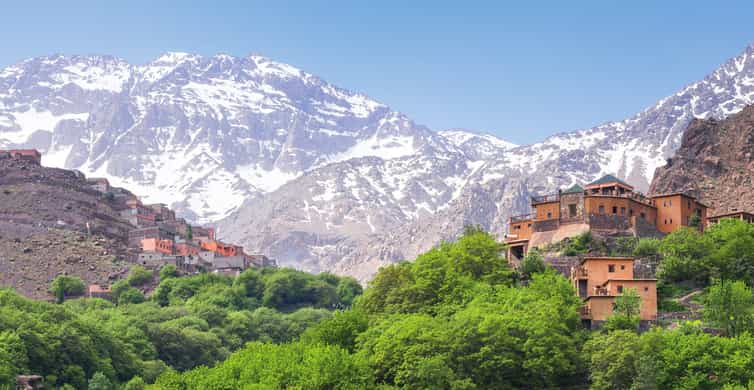
The Atlas Mountains are one of North Africa’s most spectacular natural wonders, stretching across Morocco, Algeria, and Tunisia. For travelers seeking breathtaking landscapes, authentic Berber culture, and unforgettable outdoor adventures, atlas mountains morocco offers an experience unlike any other. From snow-capped peaks and lush valleys to traditional villages and scenic hiking trails, the region has something for every type of traveler.
Whether you are planning a day trip from Marrakech or a week-long trekking adventure, this guide will help you make the most of your journey while exploring one of Morocco’s most beautiful destinations.
Where Are the Atlas Mountains?
The Atlas Mountains form a massive mountain range that stretches over 2,500 kilometers across North Africa. Morocco is home to the most famous sections, including the High Atlas, Middle Atlas, and Anti-Atlas ranges. Each offers its own unique landscapes, climate, and attractions.
Before planning your trip, checking an Atlas Mountains map can help you understand the different regions and identify nearby cities, hiking routes, and popular attractions. The High Atlas, located south of Marrakech, is the most visited area due to its accessibility and dramatic scenery.
Why Visit the Atlas Mountains?
There are countless reasons why travelers include atlas mountains morocco in their Morocco itinerary. The region combines natural beauty with rich cultural heritage, making it ideal for adventure lovers and cultural explorers alike.
Visitors can enjoy:
- Stunning mountain landscapes
- Traditional Berber villages
- Scenic hiking trails
- Snow-covered peaks during winter
- Waterfalls and green valleys
- Local markets and handmade crafts
- Authentic Moroccan cuisine
Unlike the busy streets of Marrakech or Casablanca, the mountain villages offer a peaceful atmosphere where visitors can experience traditional lifestyles that have remained unchanged for generations.
Best Time to Visit
The best time to visit depends on the activities you want to enjoy.
Spring (March to May)
Spring is considered one of the most beautiful seasons. Wildflowers bloom across the valleys, temperatures remain pleasant, and hiking conditions are excellent.
Summer (June to August)
Mountain areas remain much cooler than Morocco’s major cities, making them a popular escape from the summer heat. Higher elevations provide refreshing weather for trekking.
Autumn (September to November)
Autumn brings clear skies, comfortable temperatures, and colorful landscapes. It is another excellent season for outdoor adventures.
Winter (December to February)
Winter transforms the High Atlas into a snowy wonderland. Visitors can even enjoy skiing near Oukaïmeden, Morocco’s most famous ski resort.
Popular Places to Explore
Imlil Village
Located just 90 minutes from Marrakech, Imlil serves as the gateway to Mount Toubkal, the highest peak in North Africa. The village is surrounded by stunning scenery and serves as the starting point for many trekking routes.
Mount Toubkal
Standing at 4,167 meters, Mount Toubkal attracts climbers from around the world. While reaching the summit requires good fitness, the panoramic views reward every step.
Ourika Valley
Known for its rivers, waterfalls, and vibrant greenery, Ourika Valley is one of the easiest mountain destinations to visit from Marrakech. Many travelers choose it for a relaxing day trip.
Ait Bouguemez
Often called the “Happy Valley,” this peaceful region features fertile farmland, traditional villages, and scenic walking trails away from larger tourist crowds.
Hiking and Trekking Adventures
Hiking is one of the main reasons travelers visit atlas mountains morocco. Trails range from easy village walks to challenging multi-day expeditions.
Popular trekking options include:
- Half-day nature walks
- Full-day mountain hikes
- Multi-day Berber village treks
- Mount Toubkal summit climbs
- Valley exploration tours
Many guided tours include local Berber guides who share fascinating stories about the region’s history, traditions, and natural environment.
Discover Berber Culture
One of the highlights of visiting the mountains is meeting Morocco’s indigenous Amazigh (Berber) communities.
Visitors often enjoy:
- Traditional mint tea
- Homemade tagine meals
- Handmade carpets
- Local crafts
- Mountain hospitality
- Cultural festivals
Staying in family-owned guesthouses provides a genuine cultural experience while supporting local communities.
Wildlife and Nature
The mountain ecosystem supports a surprising variety of wildlife. Depending on the season and location, visitors may encounter:
- Barbary macaques
- Golden eagles
- Mountain foxes
- Wild boars
- Rare bird species
- Native wildflowers
Photography enthusiasts will appreciate the changing landscapes, dramatic rock formations, and spectacular sunrise and sunset views.
Transportation Tips
Most travelers begin their journey from Marrakech.
Common transportation options include:
- Rental cars
- Guided tours
- Private taxis
- Shared grand taxis
- Local buses to larger villages
Using an Atlas Mountains map before traveling helps estimate driving times and choose the most suitable route, especially if visiting multiple valleys during the same trip.
Roads into the mountains are generally well maintained, although some remote villages require narrow winding roads that demand careful driving.
What to Pack
Mountain weather changes quickly, even during summer. Packing appropriately makes the trip much more comfortable.
Essential items include:
- Comfortable hiking shoes
- Lightweight jacket
- Warm clothing for evenings
- Hat and sunglasses
- Sunscreen
- Reusable water bottle
- Small backpack
- Camera
- First aid kit
- Power bank
If hiking to higher elevations, additional warm layers are highly recommended.
Local Food to Try
The mountain region offers delicious homemade meals prepared with fresh local ingredients.
Popular dishes include:
- Chicken tagine with preserved lemons
- Lamb tagine with vegetables
- Couscous
- Fresh Moroccan bread
- Harira soup
- Mint tea
- Local honey
- Seasonal fruits
Meals are often prepared slowly using traditional cooking methods, creating rich flavors that many visitors remember long after returning home.
Practical Travel Tips
To make your journey enjoyable, keep these recommendations in mind:
Wear comfortable walking shoes.
Carry enough drinking water.
Respect local customs and traditions.
Bring cash for remote villages.
Start hikes early during warmer months.
Hire certified local guides for longer treks.
Check weather forecasts before heading into higher elevations.
Reviewing an Atlas Mountains map before your adventure can also help identify viewpoints, villages, accommodation options, and emergency services along your planned route.
Conclusion
A visit to atlas mountains morocco offers much more than beautiful scenery. It is an opportunity to experience Morocco’s natural beauty, rich cultural heritage, welcoming communities, and exciting outdoor adventures all in one destination. Whether you’re climbing Mount Toubkal, wandering through peaceful Berber villages, or relaxing beside a mountain stream, every moment creates lasting memories.
From first-time visitors to experienced hikers, the Atlas Mountains provide unforgettable experiences throughout the year. With proper planning, suitable clothing, and a well-prepared itinerary, your journey through this remarkable region will become one of the highlights of your Moroccan adventure.