Indoor air quality is a key factor in creating a healthy, comfortable living environment, and home air ventilators support this by ensuring proper air circulation. These systems replace stale, polluted air with fresh outdoor air, helping to reduce indoor contaminants and improve overall air quality. Particularly in energy-efficient, airtight homes, ventilators play a vital role in maintaining a consistent flow of fresh air. They also help manage humidity levels, which can affect comfort and health. By enabling controlled ventilation, these systems can improve indoor air quality while supporting energy efficiency. Understanding how home ventilator works and their potential benefits is key to appreciating their role in improving living spaces. This knowledge can help you make informed decisions about installation and use.
Factors Influencing Home Air Ventilator Cost
Several elements contribute to the cost of home air ventilators. System complexity significantly affects pricing, as advanced features such as heat or energy recovery typically increase cost. The ventilator size must also match the property’s dimensions, as larger, higher-capacity systems are generally more expensive.
The quality of materials used in manufacturing affects both durability and cost, and higher-grade materials often require a larger upfront investment. Installation requirements, including the complexity of integration with existing systems, can further influence the total cost.
Local climate conditions may also play a role, as some systems are designed to perform best in specific environments, affecting overall cost. Carefully evaluate each factor to determine the most suitable and cost-effective option for a particular home.
Different Types of Home Air Ventilators
Home air ventilators are available in various types, each designed to meet specific ventilation needs. Heat Recovery Ventilators (HRVs) exchange heat between incoming and outgoing air streams, helping maintain indoor temperatures while conserving energy. Energy Recovery Ventilators (ERVs), in addition to heat exchange, transfer moisture between airflows, making them suitable for homes in climates with varying humidity levels.
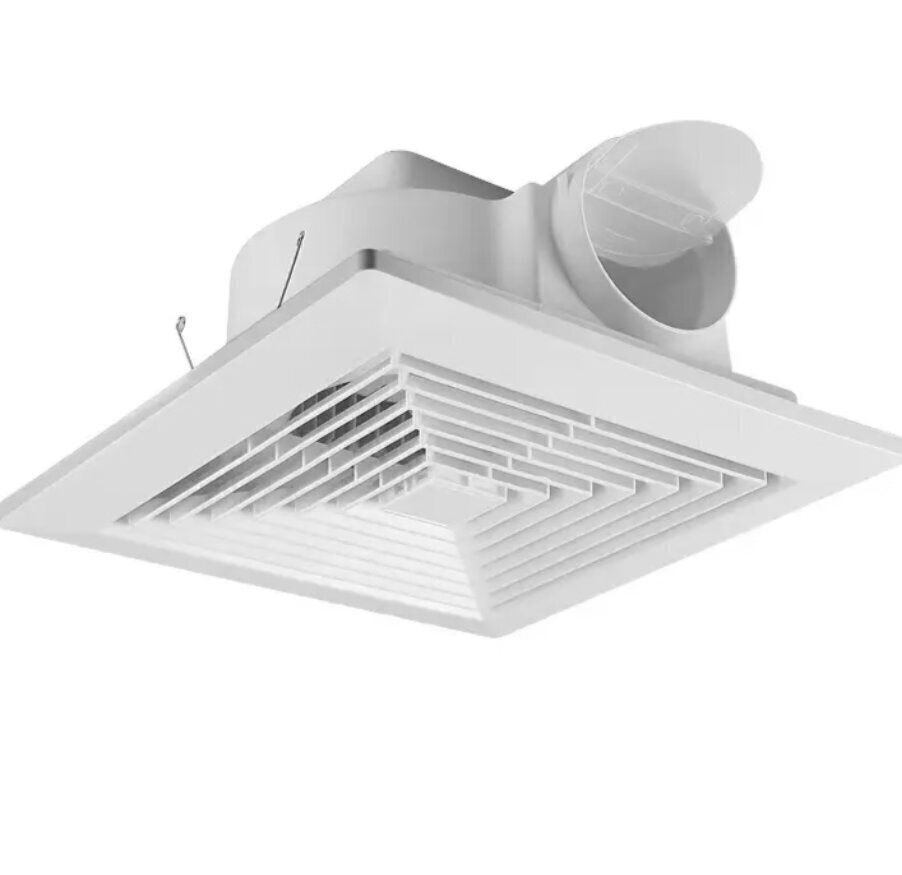
Other types include supply-only systems, which introduce fresh air without expelling indoor air, and exhaust-only systems, which remove stale air without actively supplying outdoor air. Balanced systems provide both supply and exhaust functions, ensuring optimal air circulation.
The cost of these systems varies by functionality, with advanced technologies such as energy and heat recovery driving higher expenses. The right choice depends on the property’s needs and local climate.
Installation Costs for Home Air Ventilators
Several factors influence the installation costs for home air ventilators, including system complexity and the property’s layout. Larger homes or systems requiring extensive ductwork may cost more due to increased labour and materials.
Professionals often recommend installation to ensure the system works correctly, especially for advanced models with integrated features. This option, however, tends to cost more.
Additionally, older properties might require modifications to accommodate the ventilator, further affecting installation expenses. Accessibility to installation points, such as attics or crawl spaces, can also impact labour costs.
Costs may vary by region and the installer’s expertise, so it’s important to get quotes from qualified technicians. Careful planning and evaluation of installation requirements can help manage these expenses effectively.
Energy Efficiency and Its Impact on Costs
Energy efficiency affects the operating costs of home air ventilators, as lower-energy systems can reduce utility expenses. Advanced technologies, such as heat or energy recovery mechanisms, enhance efficiency by minimising energy waste during ventilation. Although highly efficient models may cost more upfront, lower long-term energy use can offset the higher initial cost.
Furthermore, energy-efficient ventilators often include features like variable-speed motors or automated controls that optimise performance while conserving energy. This not only reduces costs but also supports environmental goals. Choosing an energy-efficient model may also help ensure compliance with regulatory standards, which can indirectly affect installation or operating costs. Carefully assessing energy consumption characteristics can clarify the overall value of a particular ventilator system.
Maintenance Costs for Home Air Ventilators
Regular servicing is crucial to keep home air ventilators running efficiently. Maintenance costs typically include cleaning, inspecting components, and replacing worn parts such as filters. Over time, neglecting upkeep can reduce system performance and lead to costly repairs.
Filters, which play a vital role in maintaining air quality, often require periodic replacement based on usage and environmental factors. Additionally, professional inspections may be needed to identify potential issues early, reducing the risk of more significant expenses.
Proper maintenance supports the ventilator’s longevity and helps sustain optimal air circulation and indoor air quality. Budgeting for these routine expenses is an important aspect of owning and operating such systems.
Home Air Ventilators and Health Benefits
Home air ventilators help create a healthier indoor environment by reducing airborne contaminants. These systems remove pollutants such as dust, pet dander, and mould spores, which can negatively affect respiratory health. Improved ventilation also helps reduce carbon dioxide build-up, promoting better indoor air quality. Additionally, by controlling humidity levels, ventilators can prevent conditions that encourage the growth of allergens or harmful microorganisms.
For individuals prone to respiratory conditions, maintaining cleaner indoor air can minimise triggers and support overall wellbeing. These systems’ ability to promote fresher, healthier air highlights their importance in maintaining a comfortable and safe living environment for occupants.
Seasonal Considerations Affecting Home Ventilator Cost
Seasonal changes significantly affect the performance and home ventilator cost. During colder months, systems may require additional energy to balance indoor and outdoor temperatures, especially when integrated with heat recovery functions. In warmer seasons, ventilators may run more often to maintain air circulation, increasing energy use. Humidity levels also fluctuate seasonally, impacting the efficiency of certain systems, such as energy recovery ventilators.
Homeowners in areas with extreme seasonal variations may notice higher operational costs during peak weather conditions. Understanding these seasonal demands can help optimise system use, ensuring it operates efficiently year-round while managing associated expenses. Proper insulation and regular maintenance can further minimise seasonal cost fluctuations.
Comparing Costs across Different Brands
The cost of home air ventilators can vary widely between brands due to differences in design, technology, and system capabilities. Some brands include advanced features, such as enhanced filtration systems or automated controls, which can drive higher prices. Manufacturing materials may also differ, with premium-grade components typically raising costs. Additionally, the level of customer support or included services, such as installation guidance or extended warranties, can impact overall pricing.
Pricing may also reflect the manufacturer’s reputation, as well-regarded brands often prioritise rigorous testing and adherence to industry standards. Comparing the specifications and features offered by different brands helps you make a more informed decision, ensuring the chosen system aligns with your budget and requirements.
Warranty and Its Effect on Home Air Ventilator Cost
Warranty coverage is an important aspect to consider when evaluating home air ventilator costs. Systems with comprehensive warranties often cover defects, malfunctions, and certain repair needs, which can affect overall costs. Extended warranty options may cost more upfront but offer reassurance against unexpected expenses over time. Warranty length and terms, such as parts and labour coverage, can vary by manufacturer.
Additionally, warranties that include routine maintenance or replacement components may further impact costs. Carefully reviewing warranty details ensures the chosen ventilator offers suitable protection while aligning with budget considerations. This factor can significantly affect the system’s long-term affordability and reliability.
Regulatory Standards and Their Cost Implications
Meeting regulatory standards often requires home air ventilators to meet specific safety, performance, and energy-efficiency criteria, which can influence pricing. Regulations often require certified energy-saving mechanisms or advanced filtration systems, which can increase upfront costs. However, compliance ensures that the ventilator operates safely and efficiently while meeting environmental and legal requirements.
Additionally, systems that meet stringent standards may qualify for certain incentives or rebates, indirectly affecting overall expenses. Understanding the impact of these regulations is essential when selecting a system that balances cost with legal and operational requirements.
Assessing the Long-term Investment in Home Air Ventilators
Considering the long-term investment in home air ventilators involves evaluating both upfront costs and the enduring benefits they provide. Improved indoor air quality and energy efficiency can support a healthier, more sustainable living environment and potentially reduce utility costs over time. Additionally, these systems may add value to a property, making them an appealing feature for prospective buyers.
Regular maintenance ensures consistent performance, prolonging the system’s lifespan and maximising return on investment. Carefully balancing initial costs with long-term benefits can help ensure the ventilator system remains a valuable, efficient part of the home.
Conclusion
Investing in a home ventilator offers exceptional long-term value, significantly improving indoor air quality, climate control efficiency, and overall living comfort across Australia. While initial costs vary based on system type, property size, ductwork complexity, and energy recovery capabilities, these units actively lower ongoing energy bills by pre-conditioning fresh incoming air. By removing airborne pollutants, controlling humidity, and preventing toxic mould formation, ventilators safeguard both occupant respiratory health and structural property value. Factoring in professional installation, routine filter replacements, and manufacturer warranty coverage ensures a highly cost-effective, energy-efficient, and durable home ventilation solution throughout Australia.
FAQs
What factors primary influence the overall cost of a home ventilator?
The overall cost of home ventilator depends on system type, unit size, energy efficiency ratings, and installation complexity. Advanced Energy Recovery Ventilators (ERVs) and Heat Recovery Ventilators (HRVs) incur higher upfront equipment costs than basic exhaust fans. Additionally, retrofitting extensive ductwork, electrical wiring, and professional labor fees impact the total installation expense across Australia.
Are Heat Recovery Ventilators (HRVs) and Energy Recovery Ventilators (ERVs) worth the higher investment?
Yes, HRVs and ERVs represent a highly cost-effective investment for energy-conscious homeowners. By capturing up to eighty percent of thermal energy and moisture from outgoing stale air, they significantly reduce the operational load on heating and cooling appliances. This recovery capability minimizes monthly utility bills and accelerates long-term return on investment across Australia.
How often do ventilator filters need replacing, and what are the associated costs?
Ventilator air filters typically require inspection every three months and replacement every six to twelve months, depending on local environmental dust levels. Standard replacement filters are relatively inexpensive, and maintaining a regular replacement schedule preserves optimal airflow, protects internal motor components, and maintains high indoor air filtration efficiency across Australia.
Can installing a home air ventilator increase property resale value?
Yes, installing an energy-efficient home ventilation system enhances overall property value and market appeal. Prospective buyers prioritize healthy living environments with proven energy-efficiency ratings, integrated air filtration, and controlled moisture management. Demonstrating low running costs and superior indoor air quality provides a competitive advantage in the real estate market across Australia.
Do warranties cover home air ventilator repair and maintenance expenses?
Most reputable manufacturers provide multi-year warranties covering mechanical components, motors, and heat exchange cores against manufacturing defects. However, standard warranties generally exclude routine maintenance tasks, such as filter cleanings or replacements. Choosing systems with extended warranty coverage protects against unexpected repair costs and ensures reliable operation across Australia.
| Related Business Listings |
| Contact Directory |
| Local Business Profiles |