Introduction to Modern Flat Roof Systems
Installing a reliable roofing system is one of the most important investments a property owner can make. Whether it’s a residential extension, a commercial building, or a modern architectural design, flat roofing has become a popular option because of its durability, affordability, and clean appearance.
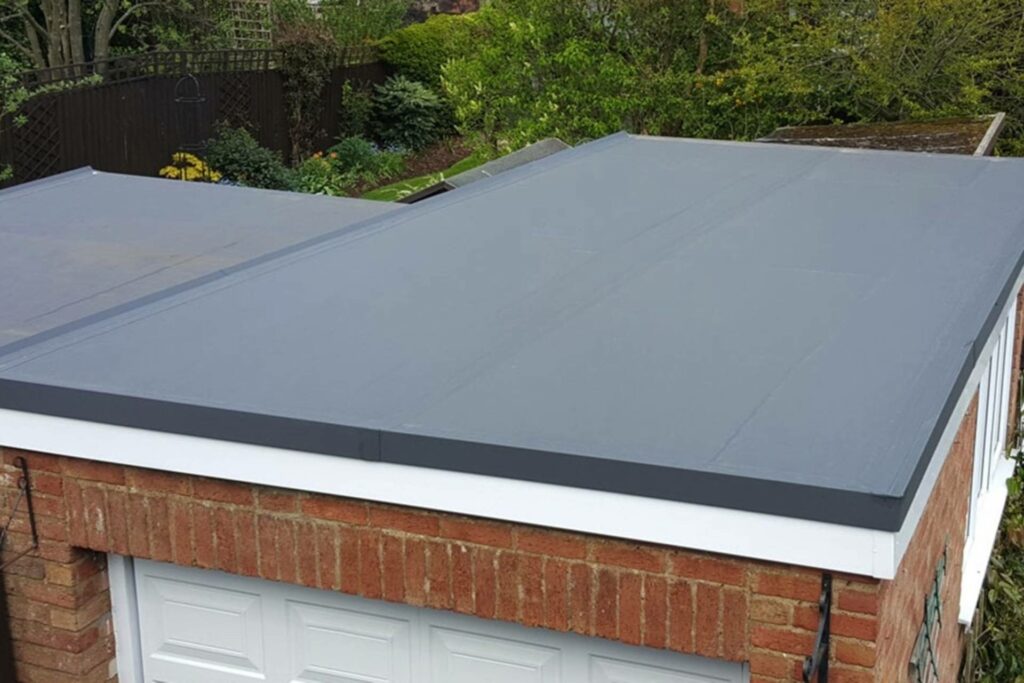
If you are exploring Flat Roofing solutions, understanding the materials, installation process, and maintenance requirements can help you make an informed decision. Flat roof structures differ from traditional sloped roofs because they have minimal pitch and require specialized materials to prevent water accumulation and weather damage.
In areas like Kerrville, roofs must withstand intense sunlight, seasonal storms, and occasional hail. These environmental conditions make it essential to choose durable flat roof materials and professional installation practices that protect the building for years.
This guide explains how flat roof systems work, the challenges property owners may face, and practical solutions that help maintain a strong and weather-resistant roof.
Why Flat Roofing Is a Practical Choice
Flat roof designs offer several advantages for both residential and commercial buildings. Their structure allows for efficient use of space and easier maintenance compared to steeply pitched roofs.
Space Efficiency
Flat roofs create usable space for:
-
HVAC systems
-
Solar panels
-
Rooftop gardens
-
Outdoor seating areas
This flexibility makes them ideal for commercial properties and modern homes.
Cost-Effective Installation
Because flat roofs require fewer materials and less structural complexity than sloped roofs, installation costs can often be lower. Additionally, repairs and inspections are typically easier and safer due to the accessible surface.
Energy Efficiency
Many flat roofing systems include reflective coatings or insulation layers that help regulate indoor temperatures. This reduces cooling costs during hot Texas summers.
Types of Flat Roofing Materials
Choosing the right roofing material is critical for longevity and performance. Several systems are commonly used in modern flat roof construction.
TPO Roofing (Thermoplastic Polyolefin)
TPO roofing membranes are highly reflective and energy efficient. They are resistant to UV radiation, chemical exposure, and punctures.
Benefits include:
-
Lower cooling costs
-
Durable heat-welded seams
-
Strong resistance to algae and mold
EPDM Rubber Roofing
EPDM is a synthetic rubber roofing membrane known for its flexibility and durability.
Advantages include:
-
Long lifespan
-
Strong resistance to extreme weather
-
Simple maintenance and repairs
Modified Bitumen Roofing
Modified bitumen is an asphalt-based roofing system reinforced with fiberglass or polyester.
It offers:
-
Excellent waterproof protection
-
Strong resistance to heavy foot traffic
-
Reliable durability for commercial properties
Built-Up Roofing (BUR)
Built-up roofing systems consist of multiple layers of bitumen and reinforcing fabrics. These layers create a thick protective barrier against moisture and weather conditions.
Common Problems with Flat Roof Systems
While flat roofing offers many benefits, it also presents unique challenges. Identifying problems early can prevent costly structural damage.
Ponding Water
Flat roofs have minimal slope, which can cause water to collect after rain. Standing water can weaken roofing materials and increase the risk of leaks.
Membrane Damage
Roof membranes may become damaged due to:
-
UV exposure
-
Falling debris
-
Foot traffic from maintenance work
Even small punctures can allow water infiltration.
Flashing Failures
Flashing around vents, skylights, and HVAC systems can deteriorate over time. Once flashing weakens, water may seep into the structure.
Poor Drainage Systems
Blocked drains or improperly installed drainage systems often lead to water buildup, which shortens the lifespan of a roof.
Step-by-Step Process of Installing a Flat Roof
Professional flat roof installation involves several important steps to ensure durability and waterproof protection.
1. Roof Inspection and Planning
Before installation begins, contractors inspect the structure to determine:
-
Load capacity
-
Existing roof condition
-
Drainage requirements
This step ensures the new roofing system is compatible with the building.
2. Surface Preparation
Old materials, debris, and damaged sections are removed. The roof deck is cleaned and repaired to create a stable base.
3. Insulation Installation
High-quality insulation boards are installed to improve energy efficiency and support the roofing membrane.
4. Membrane Application
The chosen roofing material—such as TPO or EPDM—is carefully installed and sealed to create a waterproof barrier.
5. Sealing and Flashing
Edges, seams, and roof penetrations are sealed with flashing materials to prevent leaks.
6. Final Inspection
Once installation is complete, professionals inspect the roof to ensure proper sealing, drainage, and structural integrity.
Maintenance Tips for Long-Lasting Flat Roofs
Proper maintenance significantly extends the lifespan of a flat roof system.
Regular Inspections
Schedule roof inspections at least twice per year. Inspections should check for:
-
Cracks or punctures
-
Damaged flashing
-
Drainage blockages
Keep the Roof Clean
Debris such as leaves and branches can trap moisture. Removing debris helps maintain proper drainage.
Maintain Drainage Systems
Ensure that roof drains, gutters, and scuppers remain clear to prevent standing water.
Repair Small Problems Early
Minor membrane damage can quickly become a major leak if ignored. Prompt repairs protect the roof structure.
Limit Foot Traffic
Flat roofs often support equipment, but unnecessary walking on the surface can cause damage.
Local Considerations for Roof Systems in Kerrville
Climate and environmental factors play a major role in roof performance.
Property owners seeking Flat Roofing services in Kerrville, TX must consider the region’s unique weather patterns.
Texas Heat and UV Exposure
Kerrville experiences long periods of intense sunlight during summer months. UV radiation can gradually degrade roofing membranes if protective coatings are not applied.
Reflective roof materials help reduce heat absorption and improve energy efficiency.
Seasonal Storms
Heavy rain and thunderstorms can test the drainage capacity of a flat roof. Proper slope design and drainage systems prevent water buildup during storms.
Hail Damage
Texas storms occasionally bring hail, which can puncture roofing membranes. Durable materials like modified bitumen or reinforced TPO offer better resistance.
Temperature Fluctuations
Although winters are mild, temperature changes can cause roofing materials to expand and contract. Flexible membranes such as EPDM help accommodate these changes without cracking.
Signs Your Flat Roof Needs Repair or Replacement
Understanding warning signs can help property owners address roofing issues before they worsen.
Visible Water Stains
Interior water stains on ceilings or walls may indicate a leaking roof membrane.
Cracks or Blisters
Surface blisters or cracks often appear when moisture becomes trapped beneath the membrane.
Loose Flashing
If flashing around vents or edges becomes loose, water can enter the roofing structure.
Aging Materials
Most flat roof systems last between 20 and 30 years. Older roofs may require replacement to maintain protection.
Benefits of Professional Flat Roof Installation
Hiring experienced roofing professionals ensures quality workmanship and long-term durability.
Professional services offer:
-
Accurate structural assessments
-
High-quality roofing materials
-
Proper waterproofing techniques
-
Warranty protection
Experienced contractors also understand local weather conditions and can recommend the best roofing system for the region.
Choosing the Right Roofing Partner
When selecting a contractor for flat roof installation or repair, property owners should consider:
-
Experience with flat roofing systems
-
Local reputation and project portfolio
-
Quality of materials used
-
Clear maintenance recommendations
Working with a reliable contractor helps ensure that your roof provides long-term protection and value.
For property owners seeking dependable roofing expertise, Champion Roofing & Construction provides professional installation, repair, and maintenance services designed to withstand Texas weather conditions.
Conclusion
Flat roof systems provide a practical and durable roofing solution for both residential and commercial properties. Their cost efficiency, usable rooftop space, and modern design make them an attractive option for many building owners.
However, successful flat roofing depends on proper installation, quality materials, and consistent maintenance. Addressing drainage issues, protecting against UV damage, and conducting regular inspections can significantly extend the life of the roof.
In regions like Kerrville, environmental factors such as heat, storms, and hail make professional roofing expertise especially valuable. By investing in a well-designed flat roof system and maintaining it properly, property owners can ensure long-lasting protection for their buildings.
Frequently Asked Questions
1. How long does a flat roof typically last?
Most flat roofing systems last between 20 and 30 years depending on the material used and maintenance practices.
2. Are flat roofs more prone to leaks?
Flat roofs are not necessarily more prone to leaks, but proper drainage and professional installation are essential to prevent water buildup.
3. What is the best material for a flat roof?
Common options include TPO, EPDM rubber, and modified bitumen. Each material offers different benefits depending on the building’s needs.
4. How often should a flat roof be inspected?
Experts recommend inspections twice a year and after major storms.
5. Can flat roofs handle heavy rain?
Yes, when installed with proper drainage systems, flat roofs effectively handle heavy rainfall.
6. Do flat roofs improve energy efficiency?
Many modern flat roofing materials include reflective surfaces that reduce heat absorption and lower cooling costs.
7. What causes ponding water on flat roofs?
Ponding usually occurs due to poor drainage design or blocked drains.
8. Can flat roofs support solar panels?
Yes, flat roofs are ideal for solar panel installation because they provide large, accessible surfaces.
9. Is maintenance expensive for flat roofs?
Routine maintenance is generally affordable and helps prevent costly repairs.
10. When should a flat roof be replaced?
Replacement may be necessary if the roof has extensive damage, persistent leaks, or has reached the end of its expected lifespan.