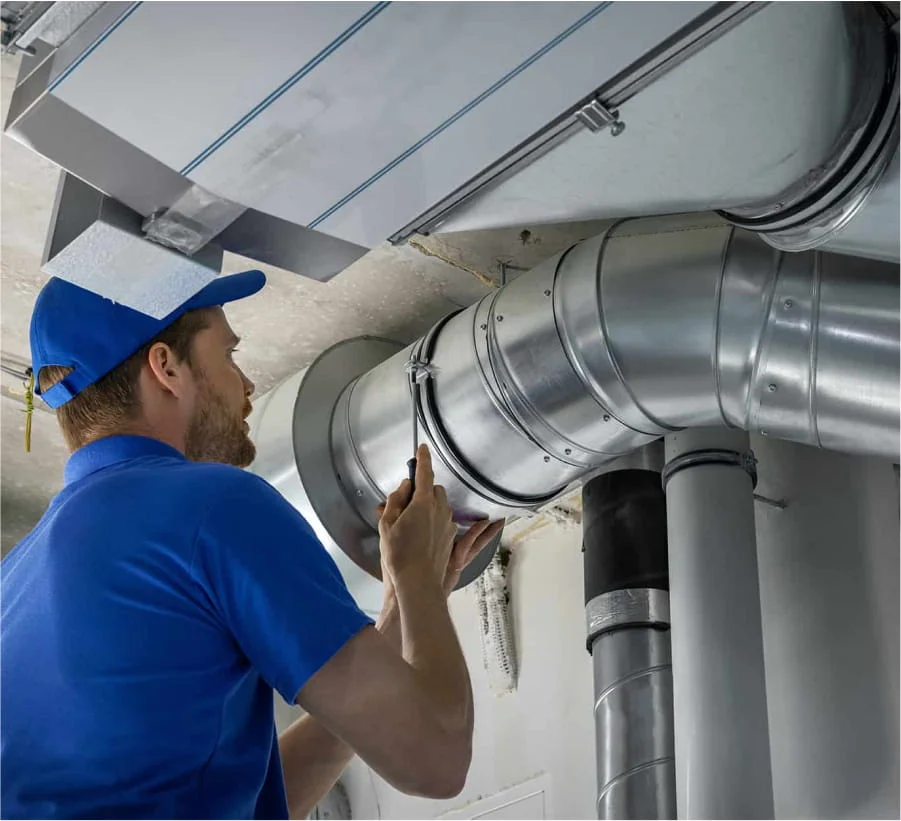
A reliable air conditioning system is essential for maintaining a comfortable indoor environment, especially during hot weather. While many homeowners focus on servicing their AC unit, cleaning filters, or checking thermostats, the condition of the ductwork is often overlooked.
Air conditioning ducts play a crucial role in transporting cooled air from your AC system to different areas of your home or commercial property. When ducts become damaged, disconnected, poorly insulated, or blocked, your cooling system may lose efficiency and struggle to maintain comfortable temperatures.
Professional air conditioning duct repairs help restore proper airflow, reduce energy waste, and improve the overall performance of your cooling system. Repairing damaged ductwork can also prevent further issues such as higher electricity bills, uneven cooling, and poor indoor air quality.
This complete guide explains what air conditioning duct repairs involve, common signs of duct damage, repair methods, benefits, costs, and frequently asked questions.
What Are Air Conditioning Duct Repairs?
Air conditioning duct repairs involve fixing damaged or inefficient duct systems that affect the performance of an AC unit. The goal is to restore proper airflow, improve cooling efficiency, and ensure conditioned air reaches the intended areas.
Air conditioning ducts distribute cooled air throughout a property through a network of connected channels. Over time, these ducts can develop problems caused by age, poor installation, physical damage, moisture, or lack of maintenance.
Common air conditioning duct repairs include:
- Sealing air leaks
- Repairing cracks and holes
- Fixing loose duct connections
- Replacing damaged insulation
- Repairing collapsed sections
- Improving airflow restrictions
Professional HVAC technicians inspect the duct system to identify problems and recommend the most effective repair solution.
Why Are Air Conditioning Duct Repairs Important?
A damaged duct system can significantly reduce the efficiency of your air conditioning system. Even if your AC unit is working correctly, faulty ductwork can prevent cool air from reaching your rooms effectively.
Improve Cooling Efficiency
One of the main benefits of repairing damaged ducts is improved cooling efficiency.
When ducts leak or have damaged sections, cooled air can escape before reaching living spaces. This causes the AC system to operate longer and work harder.
Professional duct repairs help:
- Reduce air leakage
- Improve airflow
- Increase cooling performance
- Support efficient AC operation
A properly sealed duct system allows your air conditioner to deliver cooling more effectively.
Reduce Energy Consumption
Leaking ducts can increase energy costs because your AC system needs to compensate for lost air.
When cooled air escapes, your system may run continuously to maintain the desired temperature.
Repairing duct issues can help:
- Reduce wasted energy
- Lower cooling expenses
- Improve system efficiency
Efficient ductwork allows homeowners to get better performance from their existing AC system.
Maintain Comfortable Indoor Temperatures
Uneven cooling is a common sign of duct problems.
You may notice:
- Some rooms are too warm
- Certain areas receive weak airflow
- Cooling takes longer than expected
Air conditioning duct repairs help restore balanced air distribution and improve comfort throughout the property.
Extend Air Conditioner Lifespan
Damaged ducts can put additional pressure on your AC system.
When your air conditioner works harder than necessary, components may experience increased wear.
Repairing duct problems helps reduce system strain and supports longer equipment life.
Common Air Conditioning Duct Problems
Understanding common duct issues can help homeowners identify when professional repairs are needed.
Air Leaking From Ducts
Air leaks are one of the most common duct problems.
Leaks occur when air escapes through:
- Cracks
- Gaps
- Loose joints
- Damaged connections
Leaking ducts reduce system efficiency and prevent rooms from receiving enough cooled air.
Professional sealing repairs these issues and improves airflow performance.
Damaged Duct Sections
Ductwork can become damaged due to:
- Age
- Poor installation
- Building movement
- Physical impact
Damaged sections may cause air loss and reduced cooling performance.
Repairing or replacing affected sections restores proper operation.
Loose Duct Connections
Duct systems rely on secure connections between sections.
Over time, joints may loosen due to:
- Vibration
- Temperature changes
- Poor installation
Loose connections allow air to escape and reduce efficiency.
Technicians can reconnect and seal duct sections to restore performance.
Poor Insulation Around Ducts
Insulation helps maintain the temperature of cooled air as it travels through the duct system.
Damaged insulation can cause:
- Cooling loss
- Condensation
- Reduced efficiency
Repairing insulation improves temperature control and protects the ductwork.
Blocked or Restricted Airflow
Airflow restrictions can reduce cooling performance.
Common causes include:
- Dust buildup
- Damaged ducts
- Poor design
- Obstructions
Professional inspection helps identify and resolve airflow problems.
Signs You Need Air Conditioning Duct Repairs
Recognising the warning signs early can prevent larger HVAC problems.
Higher Energy Bills
A sudden increase in cooling costs may indicate that your duct system is losing efficiency.
If your AC usage remains the same but energy bills increase, damaged ducts could be the reason.
Weak Airflow From Vents
Weak airflow from vents often indicates duct problems.
Possible causes include:
- Leaks
- Blockages
- Poor connections
- Damaged duct sections
Professional repairs can identify the cause and restore airflow.
Uneven Cooling Between Rooms
If certain areas of your property remain warmer than others, your duct system may not be distributing air correctly.
Repairing damaged ducts helps improve temperature balance.
Increased Dust Around Your Property
Damaged ducts can allow dust and debris to enter the air circulation system.
Signs may include:
- Dust around vents
- More frequent cleaning
- Poor indoor air quality
Repairing duct leaks can reduce these issues.
Unusual Duct Noises
Strange sounds from ductwork may indicate problems.
Common noises include:
- Whistling
- Rattling
- Popping
- Air escaping sounds
These issues should be inspected by a qualified HVAC technician.
Poor Indoor Air Quality
Leaking or damaged ducts can distribute unwanted particles throughout your property.
Potential concerns include:
- Dust
- Allergens
- Pollutants
Professional repairs help maintain cleaner airflow.
The Air Conditioning Duct Repair Process
Professional duct repairs involve several steps to ensure problems are correctly identified and fixed.
Step 1: Duct Inspection
The first step is a detailed inspection of the entire duct system.
Technicians assess:
- Duct condition
- Airflow performance
- Leakage points
- Insulation quality
- Connection issues
This helps determine the most suitable repair approach.
Step 2: Identifying Repair Requirements
After inspection, technicians identify specific problems.
The repair plan may involve:
- Sealing leaks
- Repairing damaged sections
- Reconnecting loose ducts
- Improving insulation
Accurate diagnosis prevents unnecessary work.
Step 3: Repairing and Sealing Ducts
The repair process depends on the type and severity of damage.
Common solutions include:
- Professional duct sealing
- Replacing damaged sections
- Reinforcing connections
- Repairing insulation
Proper sealing improves system efficiency.
Step 4: Testing System Performance
After repairs are completed, technicians test the AC system.
They check:
- Airflow strength
- Cooling distribution
- Temperature performance
- System operation
Testing ensures the repairs have improved performance.
Benefits of Professional Air Conditioning Duct Repairs
Professional repairs provide long-term benefits compared with temporary solutions.
Improved Energy Efficiency
Sealed and repaired ducts reduce air loss and allow your AC system to work more efficiently.
This may help reduce energy consumption.
Better Airflow Performance
Properly repaired ducts allow cooled air to travel more effectively throughout your property.
This improves comfort and temperature consistency.
Reduced AC System Stress
When ducts operate efficiently, the AC unit does not need to work as hard.
This helps reduce unnecessary strain on components.
Improved Indoor Comfort
A properly functioning duct system creates a more comfortable environment by improving cooling distribution.
Better Indoor Air Quality
Repairing leaks and damaged sections can help reduce dust and contaminants entering the air supply.
Air Conditioning Duct Repairs vs Replacement
Many homeowners wonder whether repairs are enough or whether full duct replacement is necessary.
Repairs Are Usually Suitable For:
- Small air leaks
- Minor cracks
- Loose connections
- Limited insulation damage
Replacement May Be Required For:
- Severe duct damage
- Very old duct systems
- Poor original installation
- Frequent repair needs
A professional HVAC assessment can determine the best solution.
How Much Do Air Conditioning Duct Repairs Cost?
The cost of air conditioning duct repairs depends on several factors.
Extent of Damage
Minor repairs usually cost less than major restoration work.
Location of Ductwork
Ducts located in difficult areas may require additional labour.
Type of Repair Required
Costs vary depending on whether the repair involves:
- Sealing leaks
- Replacing sections
- Repairing insulation
- Fixing connections
Property Size
Larger homes and commercial buildings may require more inspection and repair work.
For accurate pricing, homeowners should request a professional duct assessment.
How to Prevent Future Duct Problems
Regular maintenance helps reduce the need for future repairs.
Replace Air Filters Regularly
Dirty filters restrict airflow and increase pressure on your HVAC system.
Clean filters help maintain efficient operation.
Schedule Regular HVAC Inspections
Professional inspections help identify:
- Small leaks
- Insulation problems
- Airflow restrictions
Early detection prevents major issues.
Keep Vents Clear
Avoid blocking vents with furniture or household items.
Clear vents improve air distribution.
Maintain Your AC System
Regular AC maintenance supports better performance and reduces stress on ductwork.
Why Professional Air Conditioning Duct Repairs Are Important
Duct repairs require technical knowledge and proper equipment. Incorrect repairs can create additional airflow problems and reduce system efficiency.
Professional HVAC technicians provide:
- Accurate diagnosis
- Proper repair techniques
- Safe installation practices
- Long-term solutions
Professional service ensures your duct system works correctly with your air conditioning equipment.
Frequently Asked Questions About Air Conditioning Duct Repairs
What are air conditioning duct repairs?
Air conditioning duct repairs involve fixing damaged or leaking ductwork to improve airflow, cooling efficiency, and system performance.
What are the signs my AC ducts need repairs?
Common signs include weak airflow, uneven cooling, higher energy bills, unusual noises, excessive dust, and poor indoor air quality.
Can damaged ducts increase electricity bills?
Yes, leaking ducts allow cooled air to escape, causing your AC system to work harder and use more energy.
How long do air conditioning duct repairs take?
Repair time depends on the type of damage, duct accessibility, and the amount of work required.
Are duct repairs better than replacement?
Minor issues can often be repaired, while severely damaged or outdated ducts may require replacement.
Can I repair AC ducts myself?
Professional repairs are recommended because duct systems require correct sealing, airflow knowledge, and HVAC experience.
How often should air conditioning ducts be inspected?
Regular HVAC inspections help identify problems early and maintain system efficiency.
Do duct repairs improve cooling performance?
Yes, repairing leaks and damaged sections can improve airflow and cooling consistency.
Can duct repairs improve indoor air quality?
Yes, repairing damaged ducts can reduce dust and contaminants entering your air circulation system.
How do I know if my ducts need repair or replacement?
A professional HVAC technician can inspect your duct system and recommend the most suitable option.
Final Thoughts
Air conditioning duct repairs are essential for maintaining efficient cooling, improving indoor comfort, and reducing unnecessary energy waste. Damaged or leaking ducts can affect AC performance, increase costs, and create uneven temperatures throughout your property.
Professional duct repairs help restore airflow, improve system efficiency, and extend the lifespan of your air conditioning equipment.
If you are experiencing weak airflow, rising energy bills, uneven cooling, or poor indoor air quality, a professional duct inspection can identify the problem and provide an effective solution.
Investing in quality air conditioning duct repairs ensures your cooling system performs efficiently while creating a more comfortable and healthier indoor environment.