allergens that cause contact dermatitis
Skin reacts for a reason. Sometimes it is a product you used for years without issue. Other times, a new cream or detergent suddenly causes redness, itching, or burning. These reactions often fall under contact dermatitis, but not all cases are the same. Understanding the difference between allergic and irritant forms is essential for proper treatment and prevention.
Before exploring the differences, it is important to understand allergens that cause contact dermatitis, because these substances are often the starting point of allergic reactions in the skin.
Contact dermatitis is broadly divided into two main types: allergic contact dermatitis and irritant contact dermatitis. While they may look similar on the surface, their causes, immune responses, and management strategies differ significantly.
What Is Contact Dermatitis?
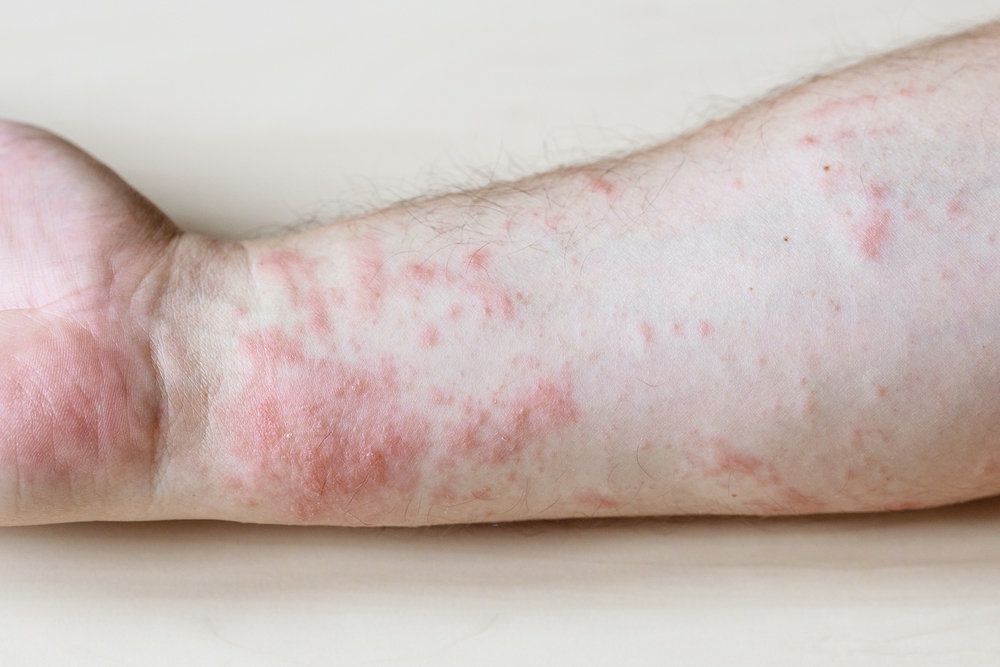
Contact dermatitis is an inflammatory skin condition triggered by direct contact with a substance that irritates or sensitizes the skin.
Common Symptoms
- Redness and inflammation
- Itching or burning sensation
- Dry, cracked, or scaly skin
- Blisters in more severe cases
The reaction usually appears in areas that are directly touched by the trigger substance.
Understanding Allergic Contact Dermatitis
Allergic contact dermatitis occurs when the immune system reacts to a substance that it mistakenly identifies as harmful.
How It Develops
- First exposure sensitizes the immune system
- Subsequent exposure triggers a reaction
- Delayed immune response, often appearing 24 to 72 hours later
This type of dermatitis is immune-mediated and involves a specific allergic response.
Common Allergens
Certain substances are more likely to trigger allergic reactions.
Frequent Triggers
- Nickel in jewelry
- Fragrances in cosmetics
- Preservatives in skincare products
- Latex
- Hair dye chemicals
These are common allergens that cause contact dermatitis, especially in individuals with sensitive skin or repeated exposure.
Understanding Irritant Contact Dermatitis
Irritant contact dermatitis is more common and does not involve the immune system.
How It Develops
- Direct damage to the skin barrier
- Can occur on first exposure
- Reaction happens quickly, sometimes within minutes or hours
It is caused by the physical or chemical irritation of the skin rather than an allergic response.
Common Irritants
Irritants vary widely depending on exposure.
Typical Examples
- Harsh soaps and detergents
- Cleaning chemicals
- Acids and solvents
- Frequent hand washing
- Friction or over-scrubbing
Even water exposure in excessive amounts can contribute to irritation.
Key Differences Between Allergic and Irritant Contact Dermatitis
Although both conditions may look similar, there are important differences in how they develop and behave.
1. Cause of Reaction
Allergic Contact Dermatitis
- Triggered by an immune system response
- Requires prior sensitization
Irritant Contact Dermatitis
- Caused by direct skin damage
- No immune system involvement
This is the most fundamental distinction.
2. Onset of Symptoms
Allergic Contact Dermatitis
- Delayed reaction
- Symptoms appear hours to days after exposure
Irritant Contact Dermatitis
- Rapid onset
- Symptoms may appear immediately or within a few hours
Timing often helps in identifying the type.
3. Frequency of Occurrence
Allergic Contact Dermatitis
- Occurs only after exposure to a specific allergen
- The reaction tends to be consistent with that allergen
Irritant Contact Dermatitis
- Can occur with repeated or prolonged exposure
- Severity depends on concentration and duration of contact
4. Immune System Involvement
Allergic Contact Dermatitis
- Involves a T cell-mediated immune response
- Classified as a delayed hypersensitivity reaction
Irritant Contact Dermatitis
- No immune response involved
- Direct chemical or physical injury to skin
5. Location of Rash
Allergic Contact Dermatitis
- Can spread beyond the contact area
- May appear in unexpected regions
Irritant Contact Dermatitis
- Usually confined to the area of exposure
- More localized reaction
6. Severity and Symptoms
Allergic Contact Dermatitis
- Intense itching
- Possible blistering
- Can worsen with repeated exposure
Irritant Contact Dermatitis
- Burning or stinging sensation
- Dryness and cracking
- Severity depends on irritant strength
Diagnosis of Contact Dermatitis
Accurate diagnosis is important for effective treatment.
Clinical Evaluation
Doctors begin with a detailed skin examination.
Key Steps
- Reviewing symptom history
- Identifying exposure patterns
- Examining affected areas
Patch Testing
Patch testing is commonly used to identify allergic triggers.
What It Involves
- Small amounts of allergens are applied to the skin
- Observing reaction over 48 to 72 hours
- Helps identify specific allergens
This is especially useful for allergic contact dermatitis.
Medical History Review
Understanding patient history is crucial.
Important Questions
- New skincare or cosmetic products are used
- Occupational exposure to chemicals
- Frequency of hand washing or cleaning tasks
- History of allergies or eczema
Treatment Approaches
Treatment depends on the type of contact dermatitis.
Managing Allergic Contact Dermatitis
Key Strategies
- Avoidance of identified allergens
- Topical corticosteroids
- Antihistamines for itching
- Moisturizers to repair the skin barrier
Avoidance is the most effective long-term solution.
Managing Irritant Contact Dermatitis
Key Strategies
- Reducing exposure to irritants
- Using protective gloves
- Gentle skin care routines
- Barrier creams and moisturizers
Healing often improves once irritant exposure is reduced.
Prevention Strategies
Preventing contact dermatitis requires awareness and skin protection.
Helpful Practices
- Read ingredient labels carefully
- Use fragrance-free products
- Avoid excessive washing with harsh soaps
- Moisturize regularly
- Wear protective clothing when handling chemicals
Small changes can significantly reduce flare-ups.
When to Seek Medical Help
You should consult a healthcare provider if:
- Rash does not improve with basic care
- Symptoms worsen or spread
- Severe itching or blistering occurs
- Reactions interfere with daily life
Proper diagnosis ensures appropriate treatment.
Living with Contact Dermatitis
Managing contact dermatitis involves long-term care and awareness.
Daily Management Tips
- Identify and avoid triggers
- Maintain skin hydration
- Follow prescribed treatments
- Monitor for recurring symptoms
With consistent care, flare-ups can be minimized.
Final Thoughts
Allergic and irritant contact dermatitis may look similar, but they differ in cause, mechanism, and treatment. Allergic reactions involve the immune system and specific triggers, while irritant reactions result from direct damage to the skin barrier. Understanding these differences helps in proper diagnosis and long-term management.
Awareness of allergens that cause contact dermatitis and irritants in daily life can significantly reduce flare-ups and improve skin health. With the right approach, most people can manage symptoms effectively and maintain healthy skin.
If you are interested in advancing understanding and treatment options for chronic skin conditions, you may consider the opportunity to join an atopic dermatitis clinical trial.