Here’s the thing about a gate. People treat it like a fence with a door stuck in it. It’s not. It’s the first thing anyone sees when they pull up to your place, and in a spread-out, car-heavy city like Houston, that first look matters more than you’d guess. That’s a big reason wrought iron gates Houston homeowners pick keep popping up everywhere from River Oaks to Katy to Sugar Land. They look expensive because they usually are, sure, but they also look permanent. Solid. A cheap wood gate says “we’ll deal with it later.” Iron says “we’re staying.” I’ve watched people in driveways run a hand along a scroll pattern like they were checking the paint on a new truck. Funny how that works. Beyond looks, there’s the security side. A well built iron gate isn’t easy to climb, kick in, or roll through with a bumper. Picket spacing can be tight, tops can be spear pointed or finished with decorative finials, and the whole thing can tie into cameras and access control later on. And resale? Realtors say curb appeal moves houses. Not always, but a good gate has never hurt a listing. It just has to be done right, and that’s where most folks trip up.
Wrought Iron, Steel or Aluminum: What Are You Really Buying?
Truth time. Most of what gets sold as wrought iron today isn’t the old hand-forged stuff. Real wrought iron, the fibrous kind blacksmiths worked a couple hundred years ago, pretty much stopped being made at scale a long time back. What you get now is mild steel, cut, bent, welded and finished to look like classic ironwork. And honestly? That’s fine. It’s strong, it costs way less than true antique iron, and a decent fabricator can shape it into nearly any design you can sketch on a napkin. Where it goes sideways is when somebody uses thin gauge tubing, skimps on welds, and calls it a day. Ask about wall thickness. Ask if the posts get filled with concrete. Ask what the gate frame is actually made of. Aluminum is the other choice, and plenty of people in Houston lean that way because it won’t rust. It’s lighter too, which helps when you’re adding an operator, less strain on the motor. But it dents easier and it doesn’t feel as heavy duty. If you want that weight, that solid clunk when the latch catches, go with steel or iron. If you want low maintenance and don’t care about heft, aluminum is a fair pick. I’ve told customers both ways. Depends what you value, and what your budget looks like.
Styles That Work and a Few That Really Don’t
Design is where people get excited, and also where they make expensive mistakes. Classic arched tops with scrollwork are popular for a reason, they suit brick homes, stone homes, that whole traditional Texas look. Flat top designs with clean vertical pickets fit newer, modern builds better. Then there’s the middle ground, a mostly simple gate with one or two decorative touches like a center medallion or a family monogram. Those tend to age well. What doesn’t age well is anything too busy. I’ve seen gates with so much curly detail they looked like a wedding cake, and every curl is another spot for water to sit and rust to start. Privacy is another thing to think about early. Open picket gates are beautiful but you can see straight through them, so if you want to hide a boat or a messy side yard, you’ll want backing panels or solid plates behind the design. Height matters too. Six feet is common, but some neighborhoods allow taller, some don’t. Match the gate to the house, not to something you saw on Pinterest at midnight. Walk gates, driveway gates, side yard gates, they should all feel like one family, not three strangers who happened to show up.
What Does It Actually Cost? Ballpark Talk
Nobody likes this part, but let’s just say it. Prices swing a lot, so treat everything here as rough numbers and get real quotes. A simple walk gate might land somewhere around a thousand to three thousand dollars. A single swing driveway gate in decent steel usually runs a few thousand up to eight or so, and a wide double swing gate with custom scrollwork can push well past that, sometimes into the teens. Then you’ve got the extras that people forget to budget for. Posts and footings, concrete work, hinges that can carry serious weight, finishing, the electrical run if you’re adding power. Steel prices have bounced around the last few years too, so a quote from six months ago might be stale. Here’s my honest advice: don’t chase the lowest number. A gate priced way under everyone else is either thin metal, a rushed finish, or an installer who’ll disappear when the hinge sags in eight months. And it will sag, if the posts weren’t set deep enough. Houston clay does not forgive shortcuts. You pay once for good work or you pay twice. I’d rather you pay once.
Automated Gates: Luxury or Just Plain Practical?
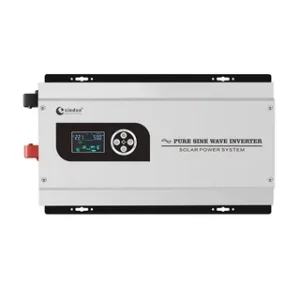
Lots of people think Automated Gates are a rich person thing. They’re really not, at least not anymore. Once you’ve sat in your car in a July downpour, fumbling with a latch and a soggy remote, you get it. An operator opens the gate for you, closes it behind you so you’re not leaving the driveway exposed, and lets you buzz in guests without walking down there. There are two main setups, swing and slide. Swing operators push or pull the gate open like a door, and they work great when you’ve got room for the arc. Slide operators roll the gate sideways along a track, which is better for tight driveways or slopes. Solar powered operators are worth a look here since we get so much sun, though you’ll want a good battery. Speaking of batteries, ask about backup power. Hurricane season isn’t a joke, and a dead gate that won’t open during an evacuation is a real problem. Also demand safety sensors, photo eyes and reversing edges, so the gate doesn’t crush a kid, a pet, or your bumper. Keypads, intercoms, phone apps, all of that can be layered in. Just pick a brand with local parts and support.
Houston Weather Is Brutal on Metal
Let’s talk rust, since it’s the thing everybody’s really worried about. Houston is hot, humid, wet, and close enough to the Gulf that salt air drifts further inland than people expect. That’s a nasty combo for any steel gate. The good news is that a proper finish handles it well. Hot dip galvanizing is the gold standard, basically a zinc coating that protects the metal from the inside out. On top of that, a quality powder coat gives you color and another barrier. Cheap spray paint on bare steel? Give it a year, maybe two, and you’ll see orange bubbles around the welds. Welds are the weak spot, always. Ask the fabricator how they treat them. Beyond finish, ask about drainage. Hollow tubing should have small weep holes so water doesn’t sit inside and rot it from within. Then there’s our clay soil, which swells when it’s wet and shrinks when it’s dry, moving posts around slowly over the years. Deep footings help a lot. So does checking your gate every spring, touching up chips, washing off dirt, oiling hinges. It’s about twenty minutes of work, and it’ll save you real money down the road.
Permits, HOAs and the Rules Nobody Mentions
This is the section people skip, and then they regret it. Depending on where you live, a gate may need a permit, especially if it’s automated or sits near the street. Inside Houston city limits the rules can differ from unincorporated Harris County or the suburbs, and each city has its own quirks. Fire access matters too. Emergency crews need a way in, so many areas require a Knox box or another approved entry device, and you’ll want to know that before you buy a fancy operator. Then comes the HOA. Some associations have strict rules on height, color, style, even how far back from the curb the gate can sit. I’ve seen people order a custom gate, get it built, and then get a violation letter. That’s a brutal, expensive lesson. Check your deed restrictions, send drawings to the architectural committee if you have one, and get approval in writing. Also call before you dig. Underground utilities are real, and hitting a gas or water line during post installation ruins everybody’s week. A good installer handles most of this paperwork for you, or at least tells you what to expect.
How to Pick an Installer Without Getting Burned
Finding somebody to build wrought iron gates in Houston isn’t hard. Finding somebody good is another story. Start by asking who actually builds the gate. Some companies fabricate in their own shop, others just resell from a big supplier and subcontract the install, and that changes how much control they have over quality and timing. Look at real photos of finished jobs, not stock images, and if you can, drive by one. Ask how long they’ve been in business, whether they carry liability insurance, and whether they’ll put the warranty in writing. Pay attention to how they measure. A serious company will walk your property, check slope, look at drainage, ask about your vehicles and how you use the driveway. If they quote you over the phone in five minutes, be skeptical. Get at least three quotes, and compare what’s included instead of just the total. Does the price cover the operator, the electrical work, the permit, cleanup? Ask about service after the install too, because operators need adjusting now and then. And trust your gut a little. If somebody feels pushy or vague, walk away. There are plenty of good ones around.
Conclusion
So, are they worth it? For most people who own their home and plan to stay a while, yeah, I think so. A well built iron gate gives you security, privacy, curb appeal, and a little bit of pride every time you pull in. Add Automated Gates and you get the convenience on top, which honestly you’ll appreciate more than you expect. Just don’t rush it. Pick the right material, design something that fits your house, budget for a proper finish, check the permit and HOA rules, and hire someone who’ll actually answer the phone after the job’s done. Do those things and your gate will look good for decades. Skip them, and you’ll be calling somebody to fix a sagging, rusty mess before the paint has really settled. Take your time, ask questions, and get it right the first time.
FAQs
How much do wrought iron gates cost in Houston?
It varies a lot. Simple walk gates can start around a thousand dollars, while custom driveway gates run several thousand up to well over ten thousand, depending on size, design, finish and installation. Automation adds more on top.
Are wrought iron gates good for Houston’s humid weather?
Yes, if they’re finished properly. Galvanizing plus a quality powder coat handles the humidity and salt air well. Skip the finish and rust will show up fast.
Can I add Automated Gates to an existing iron gate?
Often you can. It depends on the gate’s weight, hinge condition, post strength and how much room you have. A technician should look at it first, because a sagging gate will burn out an operator quickly.
What’s the difference between swing and sliding automated gates?
Swing gates open like a door and need clear space for the arc. Sliding gates roll along a track and suit tight or sloped driveways. Each works well when it matches the property.
Do I need a permit for a driveway gate in Houston?
Frequently, yes, especially for automated or street-facing gates. Rules differ between the city, the county and each suburb, and HOAs add their own requirements, so check before you order anything.
How long do iron gates last?
With decent upkeep, a properly built and finished gate can last thirty years or more. Touch up chips, wash it regularly and keep hinges and operators serviced.