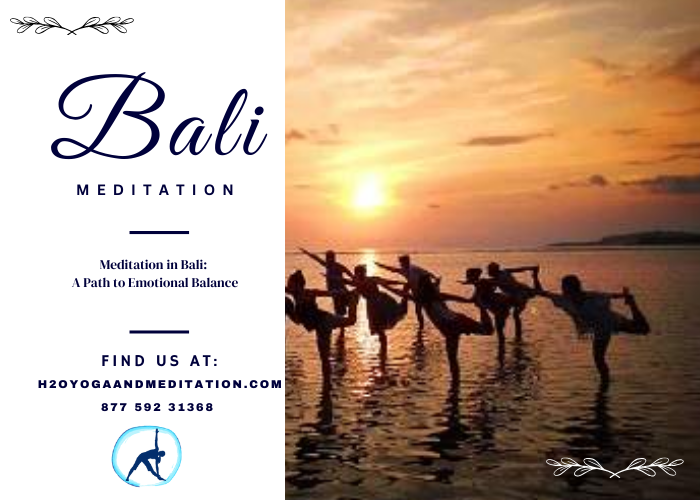
Bali has long been associated with spiritual exploration, mindful living, and holistic wellness. Rooted in ancient traditions and shaped by the island’s natural rhythms, Bali Meditation practices offer a meaningful way to restore mental balance and emotional clarity. Whether practiced in temples, yoga centers, or quiet natural settings, meditation in Bali reflects a deep connection between mind, body, and environment.
This article explores the foundations of Bali meditation, common techniques, and how these practices support inner calm in today’s fast-paced world.
The Spiritual Roots of Meditation in Bali
Balinese spirituality blends Hindu philosophy with indigenous beliefs, emphasizing harmony between humans, nature, and the divine. This principle—known locally as Tri Hita Karana—guides daily rituals, ceremonies, and meditation practices.
Meditation in Bali is not limited to formal sessions. It is often integrated into everyday life through offerings, mindful breathing, chanting, and moments of stillness. These traditions encourage presence, gratitude, and awareness, forming the foundation of modern Bali Meditation experiences.
Common Bali Meditation Practices
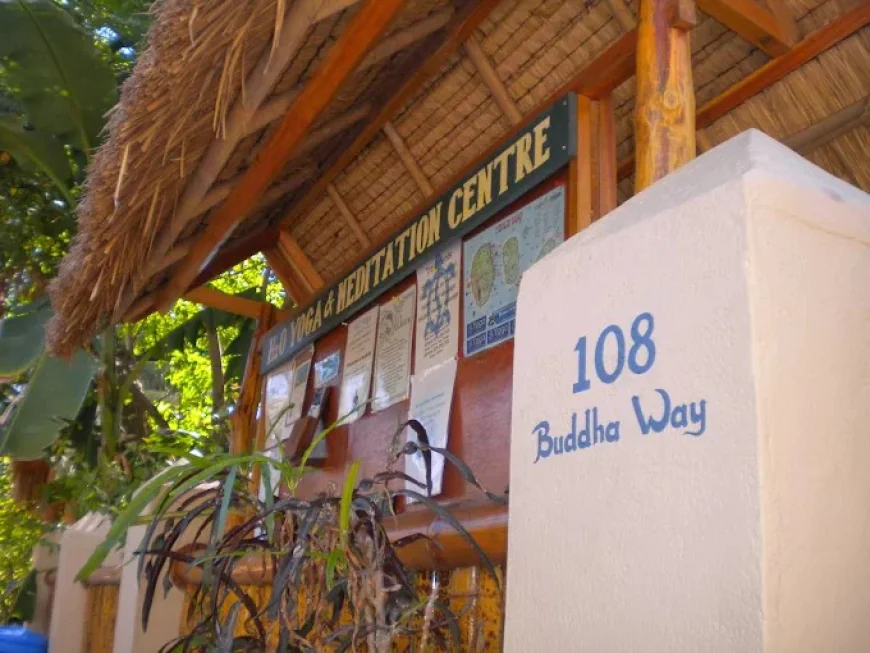
Mindfulness and Breath Awareness
One of the most accessible forms of meditation in Bali focuses on mindful breathing. Practitioners observe the natural rhythm of the breath to calm the nervous system and steady the mind. This approach is suitable for beginners and experienced meditators alike.
Breath awareness meditation helps reduce stress, improve concentration, and create a sense of groundedness—especially valuable for those navigating busy lifestyles.
Mantra and Chanting Meditation
Mantra meditation is widely practiced in Bali, often involving Sanskrit or Balinese chants. Repeating specific sounds or phrases helps anchor attention and deepen focus. Chanting may be done silently or aloud, sometimes accompanied by traditional instruments.
This form of Bali Meditation is believed to promote mental clarity and emotional balance by aligning breath, sound, and intention.
Guided Visualization
Guided meditation sessions often draw inspiration from Bali’s landscapes—lush jungles, flowing water, or volcanic mountains. Practitioners are led through visual imagery designed to release tension and cultivate inner peace.
Visualization practices are particularly helpful for those who find stillness challenging, as they provide structure while encouraging relaxation.
Walking Meditation
Given Bali’s emphasis on nature, walking meditation is a natural extension of mindfulness practice. Slow, intentional walking—often in gardens or temple grounds—allows practitioners to stay present while engaging the body.
This moving meditation supports balance, coordination, and awareness, making it an ideal complement to seated practices.
Benefits of Bali Meditation Practices
Mental Clarity and Focus
Regular meditation helps quiet mental noise and improve cognitive clarity. Many people report increased focus and decision-making ability after consistent practice.
Emotional Balance
Bali meditation techniques encourage non-judgmental awareness of thoughts and emotions. Over time, this fosters emotional resilience and a calmer response to stress.
Connection to Nature
Practicing meditation in Bali often involves open-air settings, reinforcing a sense of connection with the natural world. This connection can enhance feelings of grounding and overall well-being.
Support for Holistic Wellness
Meditation is frequently combined with yoga, breathwork, and mindfulness teachings, creating a comprehensive approach to physical and mental health.
How Bali Meditation Fits Modern Lifestyles
While rooted in tradition, Bali Meditation practices adapt easily to contemporary life. Short daily sessions, guided audio practices, or mindful breathing exercises can be integrated into routines at home or while traveling.
Many yoga and meditation centers in Bali focus on practical techniques that participants can continue beyond their time on the island, emphasizing sustainability rather than dependency on place.
Choosing the Right Meditation Approach
There is no single “correct” way to meditate in Bali. Some individuals prefer silent mindfulness, while others resonate with chanting or guided sessions. Exploring different practices allows individuals to discover what best supports their mental and emotional needs.
Beginners may benefit from guided instruction, while experienced practitioners often appreciate the simplicity and depth of traditional mindfulness approaches.
FAQs About Bali Meditation
What makes Bali meditation different from other meditation styles?
Bali meditation is deeply influenced by local spiritual traditions, nature-based awareness, and daily ritual practices. It emphasizes harmony and balance rather than technique alone.
Is Bali meditation suitable for beginners?
Yes. Many practices, such as breath awareness and guided meditation, are beginner-friendly and do not require prior experience.
Do I need to follow a specific belief system?
No. Bali meditation practices are accessible to people of all backgrounds. They focus on mindfulness and awareness rather than religious conversion.
How long should a meditation session last?
Sessions can range from 5 minutes to over an hour. Consistency is more important than duration, especially for beginners.
Can Bali meditation be practiced outside of Bali?
Absolutely. While the environment enhances the experience, the techniques can be practiced anywhere once learned.
Conclusion
Bali meditation practices offer a thoughtful blend of tradition, mindfulness, and connection to nature. By encouraging presence, clarity, and balance, these practices remain relevant for anyone seeking mental calm and emotional stability. Whether experienced in Bali or adapted into daily life elsewhere, Bali Meditation provides practical tools for restoring inner equilibrium.
Discover Bali Meditation practices at H2O Yoga and Meditation Center to restore balance, clarity, and mindfulness through guided sessions and holistic traditions.