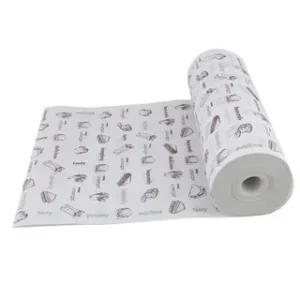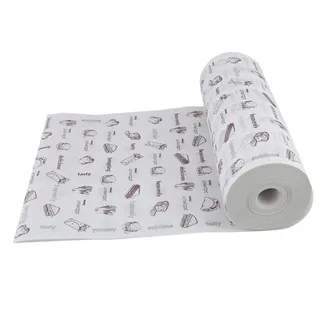
Serving baskets are widely used in restaurants, cafes, food trucks, diners, barbecue restaurants, pubs, concession stands, and casual food businesses across the United States. They are practical, easy to handle, and can make meals look more appealing when food is served in a relaxed setting.
However, serving food directly in a basket can create a few practical problems. Burgers, fries, fried chicken, sandwiches, onion rings, wings, and other menu items can release grease, oil, sauces, and moisture during service. Without a suitable barrier, these liquids can reach the basket surface, creating stains, unpleasant odors, difficult cleanup, and a less attractive presentation.
A properly selected paper liner can help create a separation between the food and the serving basket. It can absorb or resist certain amounts of grease and moisture while also making the basket look cleaner and more organized.
For restaurants and food businesses, the right liner is not simply a decorative accessory. It can become part of an efficient food-service system that supports hygiene, presentation, cleanup, and branding.
How Do Basket Liners Help Protect Serving Baskets?
Basket liners for food create a protective layer between prepared meals and the serving basket, helping reduce direct contact with grease, sauces, crumbs, and moisture.
When a hot meal is placed directly into a basket, oils can quickly spread across the surface. Fried foods are especially likely to leave behind grease. A burger may release juices and fat, while fries can transfer oil to the bottom of the basket. Sauces and dressings can create additional moisture.
A paper liner provides a simple barrier.
Depending on the material and construction, the liner can help:
- Reduce grease transfer
- Catch crumbs and food residue
- Protect basket surfaces
- Improve food presentation
- Make cleanup easier
- Separate different foods from the basket
- Provide space for branding or decorative printing
- Create a more consistent serving experience
The liner does not eliminate grease or moisture. Instead, it helps manage the contact between food and the serving container.
The correct material is important because not all paper behaves the same way. Businesses serving oily or moist foods should choose a liner specifically designed for the intended food-service environment.
How Can a Custom Paper Layer Improve Food Service?
Custom wax paper can be used as part of a branded food presentation strategy while providing a practical paper layer around or beneath certain menu items.
Custom printing allows a business to use packaging as an extension of its brand identity. Instead of placing food into a plain basket, a restaurant can use printed paper featuring its logo, colors, patterns, or other visual elements.
This can be useful for restaurants that want their food presentation to remain consistent across dine-in, takeaway, catering, and event service.
For example, a burger restaurant in New York might use a repeating logo pattern in its basket liners. A barbecue restaurant in Texas could use a bold western-inspired design. A food truck in Los Angeles might use bright graphics that match the truck’s exterior branding.
The liner can therefore serve two purposes: creating a separation between food and the basket while contributing to the visual identity of the business.
Why Is Grease a Problem for Serving Baskets?
Grease can affect both the appearance and usability of a serving basket.
Fried foods naturally contain oil. Even when food has been properly drained after cooking, some grease remains on the surface. As the food sits in a warm basket, the oil can migrate onto nearby surfaces.
If the basket is reusable, repeated exposure can make cleaning more difficult. Grease may collect in small gaps, corners, woven surfaces, or textured areas.
Grease can also create a poor customer experience. A basket that appears heavily stained may make the meal look less appealing, even when the food itself is fresh and well prepared.
A paper liner helps create a disposable surface that can be removed after service. This can reduce the amount of direct food residue that reaches the serving basket.
How Does Moisture Affect Food Baskets?
Moisture is another common challenge in restaurant service.
Foods containing sauces, vegetables, meats, marinades, or steam can release moisture after cooking. Hot foods may also create condensation as they cool.
Excess moisture can soften unsuitable paper and cause it to tear. It can also make the basket wet or sticky.
This is why restaurants should consider the moisture level of the foods they serve when choosing liner material.
A dry food such as a cookie requires different performance characteristics from a hot chicken sandwich with sauce. Similarly, fries have different moisture behavior from a loaded nacho basket.
The liner should match the menu.
Businesses should test their selected paper with actual food items before placing a large order. Testing can reveal how the material performs after several minutes of contact with hot, oily, or moist food.
What Types of Foods Benefit From Serving Basket Liners?
Many popular restaurant foods can benefit from a protective paper layer.
Burgers
Burgers can release meat juices, cooking oils, cheese, and sauces. A liner helps keep these materials away from the basket.
French Fries
Fries often contain surface oil after frying. A suitable liner can help manage grease and loose crumbs.
Fried Chicken
Fried chicken can transfer oil and seasoning to the serving surface. Paper liners provide a disposable layer underneath the food.
Wings
Chicken wings are commonly served with sauces, which can create both grease and moisture. A liner can help contain some of the residue.
Sandwiches
Hot sandwiches can release juices, sauces, and melted cheese. A liner can help keep the serving basket cleaner.
Onion Rings
Like fries, onion rings can carry surface oil after frying. A paper layer can help reduce direct basket contact.
BBQ Foods
Pulled pork, ribs, brisket, and other barbecue foods can contain sauces and natural juices. Liners can help manage the resulting residue.
Seafood
Fried fish, shrimp, and other seafood items may release oil and moisture. A suitable liner can improve the serving setup.
Can Basket Liners Make Restaurant Cleanup Easier?
Yes. One of the practical benefits of disposable liners is that they can reduce the amount of food residue reaching reusable serving equipment.
Instead of cleaning the entire basket after every meal, employees can remove the used paper and then inspect the basket for any remaining residue.
This does not replace proper cleaning and sanitizing procedures. Reusable baskets still need to be handled according to the restaurant’s food-safety procedures.
However, reducing unnecessary grease and crumbs can make the cleaning process more manageable.
This is especially valuable during busy periods. Restaurants in high-volume locations may serve hundreds of meals during a lunch or dinner shift. A simple liner-removal step can help employees maintain a more consistent workflow.
How Can Liners Improve Food Presentation?
Food presentation influences how customers perceive a meal.
A basket filled with loose fries, a burger, and scattered food residue can look messy. A neatly positioned liner creates a cleaner visual foundation.
The paper can also help define the serving area. A burger can be placed in the center, fries can be positioned alongside it, and smaller items can remain organized within the basket.
This can make casual food service look more intentional without requiring expensive tableware.
For businesses with a strong visual identity, printed paper can add another layer of presentation. Consistent typography, colors, patterns, and logos can make meals more recognizable.
What Should Restaurants Consider When Choosing a Liner?
Restaurants should evaluate several factors before selecting paper for serving baskets.
Food Compatibility
The material should be appropriate for the intended food application. Businesses should confirm supplier specifications for food-contact use where applicable.
Grease Resistance
If the menu includes fried foods, burgers, wings, or other oily products, grease resistance should be a major consideration.
Moisture Handling
Wet sauces and steam can affect paper performance. Test the liner with the actual menu items.
Size
The liner should fit the serving basket without creating unnecessary folds or excessive overhang.
Thickness
A very thin sheet may not provide enough durability for heavy or moist meals. A thicker option may be more appropriate for demanding applications.
Printing
If branding is important, check whether the selected material supports the desired printing process and artwork.
Storage
Paper products should be stored in a clean, dry environment. Humidity can affect paper performance before it is even used.
How Does Liner Size Affect Performance?
Size is often overlooked, but it can influence both presentation and functionality.
A liner that is too small may leave large areas of the basket exposed. A liner that is too large may fold awkwardly or extend far beyond the edges.
Restaurants should measure the internal dimensions of their serving baskets and consider how the liner will be positioned.
Some businesses prefer a flat sheet placed underneath the meal. Others use a folded arrangement that wraps around part of the food.
The best format depends on the menu and basket design.
For high-volume operations, standardized liner dimensions can also make preparation easier. Employees can quickly place the same size sheet into each basket without spending time adjusting every piece.
Can Custom Printed Liners Support Restaurant Branding?
Yes. Printed liners can turn an ordinary serving surface into another brand touchpoint.
A restaurant’s brand is experienced through more than its sign or website. Customers see menus, uniforms, takeaway bags, cups, boxes, napkins, trays, and food presentation.
Using consistent visual elements across these items can create a stronger identity.
For example, a casual burger restaurant could use its logo repeatedly across the liner. A bakery café could use a simple pattern based on its packaging artwork. A family restaurant could include illustrations that reflect its menu and atmosphere.
The design should remain simple enough that the food is still the main focus.
Are Printed Liners Useful for Food Trucks?
Food trucks can benefit significantly from organized serving materials.
Space is limited inside many mobile kitchens, so simple and efficient service systems are valuable. A disposable liner can help employees serve food quickly while reducing direct contact between food and reusable baskets or serving containers.
Food trucks also depend heavily on visual branding. Customers often recognize them by their truck design, logo, colors, and social media presence.
A coordinated liner can reinforce that identity when customers receive their meals.
This is particularly useful at festivals, sporting events, street markets, and outdoor food gatherings throughout the United States.
How Do Liners Work for Takeout and Casual Dining?
Although serving baskets are often associated with dine-in meals, similar paper liners can also support casual takeaway presentation.
Some restaurants use baskets for customers eating on-site and transfer certain foods to paper containers for takeaway orders.
A consistent printed design can help connect both experiences.
For businesses offering pickup, delivery, and dine-in service, packaging consistency can make the brand feel more professional. The same colors, graphics, and logo can appear across different food-service formats.
What Are the Hygiene Benefits of Using Disposable Paper Liners?
Disposable liners can help separate food from the serving surface.
They collect crumbs, small pieces of food, and some grease or moisture that would otherwise reach the basket.
However, liners should not be considered a substitute for sanitation. Reusable baskets still require appropriate cleaning and sanitizing procedures, especially when they are used repeatedly.
Employees should also be trained to handle clean and used liners separately and to avoid reusing disposable paper.
A well-designed food-service process combines suitable packaging materials with proper food-handling practices.
How Can Restaurants Reduce Waste When Using Liners?
Disposable products should be selected thoughtfully.
Restaurants can reduce unnecessary material use by choosing the correct liner size rather than using oversized sheets. Standardizing dimensions can also reduce cutting waste when custom materials are produced.
Businesses can discuss material options with suppliers and consider paper types that align with their sustainability goals.
If environmental claims are important to a brand, those claims should be based on the actual material composition and local disposal requirements.
For example, recyclability can depend on coatings, food contamination, printing, and local recycling infrastructure. A restaurant should avoid assuming that every paper product is automatically recyclable.
What Role Does Testing Play Before Ordering in Bulk?
Testing is one of the most important steps in selecting food-service paper.
A sample should be tested with the actual food, temperature, sauces, and serving method.
Restaurants can observe the liner after five, ten, fifteen, or more minutes of use and check whether it remains intact.
Important questions include:
- Does grease spread through the paper?
- Does moisture cause tearing?
- Does the paper stick to the food?
- Does the printed design remain attractive?
- Does the sheet stay in place?
- Is the size suitable for the basket?
- Can employees place it quickly?
- Does it improve cleanup?
Real-world testing provides more useful information than choosing a material based solely on appearance.
How Can Businesses Use Liners for Events and Catering?
Custom liners can also be useful for catering companies, festivals, stadium concessions, breweries, and corporate events.
Large gatherings require fast and consistent food service. A standardized liner can help employees assemble meals quickly.
For special events, custom artwork can also reflect the occasion.
A catering company might use branded liners at a corporate event. A sports concession operator could use team-inspired designs where licensing allows. A wedding caterer might coordinate paper graphics with the event’s broader visual theme.
The combination of functionality and presentation makes liners useful beyond traditional restaurant service.
FAQs About Serving Basket Liners
Do serving basket liners prevent all grease from reaching the basket?
No. Their effectiveness depends on the material, food type, temperature, and amount of grease. A suitable liner can reduce direct contact, but it should not be expected to contain unlimited oil.
Are paper liners suitable for hot food?
Many food-service papers are designed for hot foods, but businesses should verify the specifications of the particular material before use.
Can liners be used with fried foods?
Yes, provided the selected material is appropriate for oily foods and the intended serving conditions.
Can printed liners improve restaurant branding?
Yes. Logos, patterns, colors, and other graphics can make food presentation more consistent and recognizable.
Do disposable liners eliminate the need to clean reusable baskets?
No. Reusable baskets still require proper cleaning and sanitizing. Liners simply provide an additional barrier during food service.
Are basket liners useful for food trucks?
Yes. They can support fast service, improve presentation, and provide another opportunity for consistent branding.
Should restaurants test liners before ordering in bulk?
Yes. Testing with actual menu items helps determine whether the material handles the restaurant’s specific levels of grease, moisture, heat, and food weight.
Can liners be used for catering?
Yes. They can be useful for catered meals, festivals, outdoor events, corporate functions, and other high-volume food-service situations.
Final Words
Serving baskets are a practical choice for casual food service, but direct exposure to grease, moisture, sauces, crumbs, and food residue can create challenges for both presentation and cleaning.
A properly selected paper liner provides a simple layer between the meal and the basket. It can help manage grease and moisture, support a cleaner presentation, simplify certain cleanup tasks, and create a consistent serving experience.
For restaurants, food trucks, caterers, and other U.S. food businesses, the best results come from selecting materials based on the actual menu and service conditions. Grease resistance, moisture handling, size, thickness, food-contact suitability, printing quality, and storage should all be considered.
When practical performance and thoughtful design are combined, a simple paper liner can become an effective part of a professional food-service and branding system.