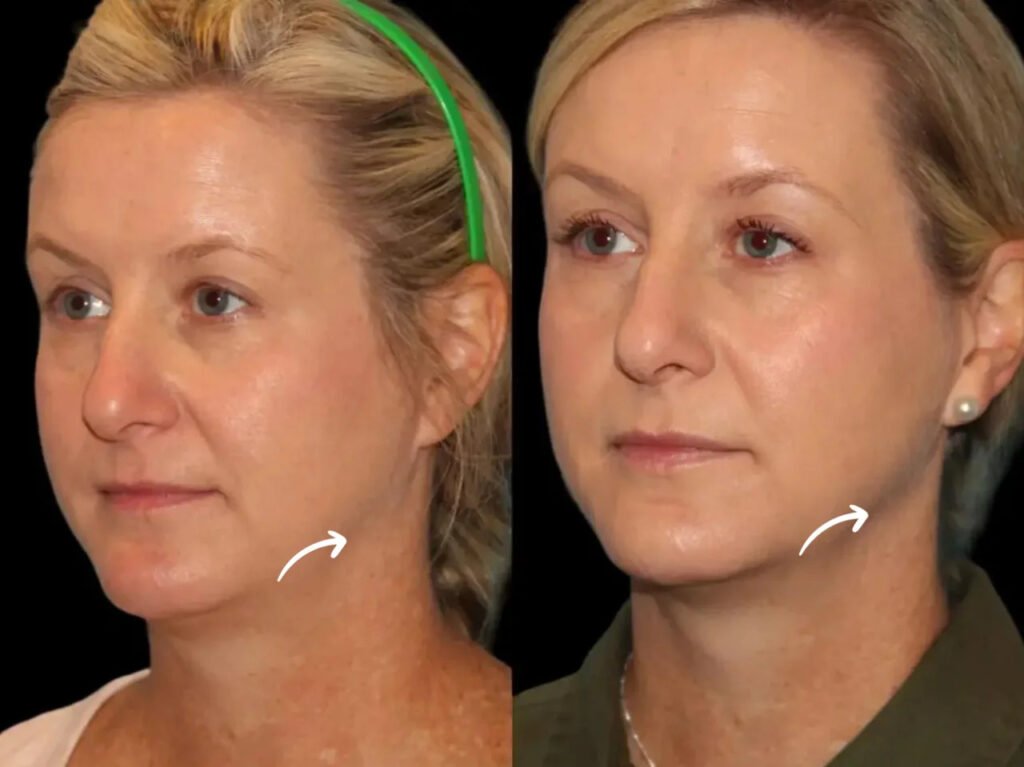
Facial fat redistribution is a natural part of the ageing process that can gradually change facial proportions, definition, and skin support. Some areas may lose fullness, while others may appear heavier or more prominent as fat compartments shift and surrounding tissues change. These developments can affect the cheeks, temples, jawline, and lower face, making it important to understand the difference between actual fat movement, volume loss, and changes in skin elasticity. Best Doctors in Dubai discussions about facial rejuvenation increasingly emphasize individualized assessments rather than treating every visible change as a simple loss of volume.
Sculptra is an injectable treatment made with poly-L-lactic acid (PLLA), a biocompatible, biodegradable material that stimulates the body’s collagen production. Unlike conventional hyaluronic acid fillers, which provide immediate volume, sculptra fillers are designed to support gradual improvements in tissue structure over time. However, Sculptra does not redistribute facial fat or replace fat that has disappeared. Its potential role is to support selected areas where collagen stimulation may improve skin thickness, firmness, and overall facial appearance.
At Perfect Doctors Clinic, Dr Perfect Celebrity can assess facial structure, skin condition, and aesthetic goals to determine whether Sculptra is an appropriate option. Understanding how collagen stimulation differs from fat redistribution helps patients develop realistic expectations and choose treatments that complement their natural facial anatomy.
Understanding Facial Fat Redistribution and Ageing
Facial fat is organized into superficial and deeper compartments that contribute to facial shape and structural support. These compartments change differently over time. Some become smaller, some descend with supporting tissue changes, and others may become more noticeable as surrounding areas lose volume.
Why Facial Fat Changes Over Time
Several biological factors contribute to changing facial contours, including:
- Age-related volume loss: Certain fat compartments may shrink, creating hollows around the temples, cheeks, or under-eye region.
- Changes in tissue support: Skin, ligaments, and connective tissues gradually change, potentially contributing to sagging or altered facial proportions.
- Skin collagen decline: Reduced collagen production can affect firmness, elasticity, and the appearance of fine lines.
- Weight fluctuations: Significant weight loss or gain can influence facial fullness and contour.
- Individual anatomy: Genetics, bone structure, and natural fat distribution determine how facial ageing appears in each person.
These factors are related but not interchangeable. A hollow cheek may reflect volume loss, while fullness around the lower face may be associated with tissue descent, anatomy, or other changes. Correctly identifying the cause is essential before selecting an injectable treatment.
Fat Loss Versus Fat Descent
Fat loss occurs when a compartment becomes smaller, reducing fullness in a particular region. Fat descent refers to changes in the position and support of tissues that can contribute to a heavier appearance in the lower face.
Sculptra cannot move descended fat back into its original position. Likewise, it cannot reliably replace substantial structural volume or remove unwanted fat. Treatment planning should therefore distinguish between concerns that may respond to collagen stimulation and those that require different approaches.
How Sculptra Fillers Support Facial Rejuvenation
Sculptra in Dubai may be considered by individuals seeking gradual improvements in selected facial areas affected by collagen loss and reduced tissue support. Its primary mechanism involves stimulating collagen production rather than physically moving fat compartments.
The Role of Poly-L-Lactic Acid
Poly-L-lactic acid encourages a controlled tissue response that supports new collagen formation. As the material is gradually broken down by the body, collagen development may contribute to changes in skin thickness, firmness, and contour.
The results develop progressively rather than appearing immediately after treatment. Temporary swelling can initially make an area look fuller, but this early effect should not be confused with the longer-term outcome.
Sculptra is not a universal solution for every sign of facial ageing. Its suitability depends on the treatment area, tissue characteristics, medical history, and the extent of the concern.
What Sculptra Can and Cannot Do
When appropriately selected and administered, Sculptra may help improve:
- The appearance of selected areas affected by reduced collagen support.
- Mild contour irregularities associated with changes in skin quality.
- Certain facial hollows where collagen stimulation is considered appropriate.
- Skin firmness and thickness in suitable treatment areas.
However, it cannot directly redistribute fat, correct every type of facial sagging, or guarantee a specific degree of rejuvenation. Pronounced jowls, substantial volume loss, and structural changes may require different treatments or a combination of approaches.
Best Sculptra Fillers Doctors in Dubai Assess Facial Anatomy Before Treatment
The Best Sculptra Fillers Doctors in Dubai approach to aesthetic planning should begin with a detailed assessment rather than an automatic recommendation for injectable treatment. Facial proportions, skin quality, fat distribution, and the relationship between individual facial areas all influence treatment decisions.
Evaluating Different Facial Regions
Each facial region has different structural characteristics and treatment considerations.
Temples: Hollow temples may be associated with age-related volume loss. An assessment should distinguish true hollowing from natural anatomy and determine whether collagen stimulation is suitable.
Cheeks: Reduced cheek fullness can change the transition between the lower eyelids and midface. Sculptra may be considered in selected cases, but the treatment must account for facial proportions and the possibility of excessive fullness.
Jawline and lower face: A heavier lower-face appearance may result from tissue descent, bone structure, fat distribution, or skin laxity. Collagen stimulation cannot reliably correct every cause of jowling.
Under-eye region: The delicate anatomy around the eyes requires particular caution. Sculptra is not generally a first-line injectable choice for the tear trough itself, and alternative approaches may be more appropriate.
A comprehensive assessment helps identify which concerns are suitable for treatment and which are better managed through observation, skincare, another procedure, or no intervention.
Personalized Planning at Perfect Doctors Clinic
At Perfect Doctors Clinic, Dr Perfect Celebrity can evaluate facial symmetry, skin condition, existing volume, and desired outcomes before discussing a treatment plan. The aim should be to maintain natural proportions instead of adding volume simply because an area appears different from its earlier appearance.
A consultation may include reviewing:
- Previous cosmetic procedures and their outcomes.
- Current medications and supplements.
- Allergies and relevant medical history.
- Skin quality, facial movement, and tissue support.
- The patient’s preferred degree of change.
- Potential risks, alternatives, and expected recovery.
- The likely number and timing of treatment sessions.
This process supports informed decisions and helps establish whether Sculptra is appropriate for the specific concern.
Sculptra Face Treatments and Facial Volume Balance
Sculptra face treatments focus on selected facial areas where collagen stimulation may improve tissue quality and contour. A balanced result depends on understanding how each area relates to the entire face.
Why More Volume Is Not Always Better
Facial rejuvenation should not automatically aim to restore every feature to its earlier fullness. Natural ageing, facial proportions, and individual preferences differ. Adding excessive volume can make the face appear heavier or less balanced, especially when the original concern involves tissue descent rather than a genuine hollow.
A conservative approach may involve treating a limited area first and assessing the result before considering additional sessions. Because changes develop gradually, immediate decisions about further treatment may lead to unnecessary correction.
Combining Sculptra With Other Treatments
Some individuals may benefit from a treatment plan involving more than one approach. Depending on the underlying concern, a qualified practitioner might discuss skincare, selected energy-based procedures, hyaluronic acid fillers, or surgical consultation.
The suitability and timing of combined treatments depend on the patient’s anatomy, medical history, and the risks associated with each procedure. Treatments should not be combined simply to accelerate results.
Sculptra Injections: Treatment Process and Recovery
Sculptra injections require appropriate product preparation, knowledge of facial anatomy, and a technique suited to the treatment area. The procedure should be performed by a qualified medical professional trained in injectable treatments.
What Happens During Treatment?
The process generally includes a consultation, cleansing of the treatment area, appropriate preparation, and carefully planned injections. The practitioner determines the injection sites, depth, amount, and treatment schedule according to individual needs.
Sculptra often involves a series of sessions rather than one procedure. The exact number and spacing depend on the treatment area, product instructions, and the individual’s response.
Patients should receive clear aftercare instructions and know when to return for assessment. Follow-up appointments are particularly important because collagen development takes time.
Expected Recovery and Side Effects
Temporary side effects may include:
- Swelling and tenderness.
- Bruising or redness.
- Mild discomfort at injection sites.
- Temporary irregularities or firmness.
- Small lumps or nodules that may develop later.
Less common but serious complications can occur with injectable treatments. These include infection, persistent nodules, and vascular complications. Sudden severe pain, unusual skin discoloration, or visual symptoms after facial injections require urgent medical assessment.
Patients should follow the specific aftercare instructions provided by their practitioner. Massage may be recommended after Sculptra in certain circumstances, but the correct method and schedule should be confirmed with the treating professional rather than assumed.
Sculptra Dermal Filler and the Limits of Fat Redistribution
The term sculptra dermal filler is often used when discussing collagen-stimulating injectables, but understanding its mechanism is essential. Sculptra is not designed to dissolve fat, relocate fat, or surgically restore facial structures.
When Another Approach May Be More Appropriate
Different concerns may require different solutions:
- Significant volume loss: A practitioner may discuss alternative volume-restoring treatments.
- Pronounced tissue descent: Surgical assessment may be more appropriate when sagging is substantial.
- Excess facial fullness: The cause should be identified before considering any contouring treatment.
- Poor skin quality: A tailored skincare plan or another suitable procedure may be discussed.
- Major structural changes: Injectable treatments may not provide the desired degree of correction.
A responsible treatment plan recognizes these limitations and avoids presenting Sculptra as a substitute for every facial rejuvenation procedure.
Sculptra for Buttocks and Other Body Areas
Although facial fat redistribution is the main focus, patients sometimes ask about sculptra for buttocks, sculptra for hip dips, or other body treatments. These concerns require separate assessments because facial anatomy differs substantially from body anatomy.
Sculptra Buttock Injections and Hip Dips
Buttocks sculptra, sculptra buttock injections, and sculptra filler for buttocks are terms used to describe body-contouring approaches involving collagen stimulation. Some practitioners may discuss PLLA-based treatments for selected body-contouring concerns, but the evidence, regulatory status, product instructions, and safety considerations vary by product and treatment site.
Sculptra products approved for facial use should not automatically be assumed suitable for buttock injections. Patients should verify the product’s authorized indications and understand the risks of using an injectable outside its approved instructions.
Hip dips are influenced by pelvic structure, muscle distribution, and the arrangement of surrounding fat. Sculptra cannot change the underlying shape of the pelvis, and any improvement in contour is variable. Anyone considering treatment should discuss realistic expectations and the possibility of complications.
The same principle applies to questions about sculptra cheeks and sculptra for neck. Each area requires separate consideration of tissue thickness, anatomy, product suitability, and the practitioner’s experience.
Sculptra Cost and Treatment Value in Dubai
The sculptra cost and sculptra price may vary according to the treatment area, product quantity, number of sessions, practitioner expertise, and follow-up requirements. Patients should evaluate the complete treatment plan rather than comparing prices alone.
What Influences the Overall Cost?
Important considerations include:
- The number of vials required.
- The number of planned sessions.
- The complexity of the treatment area.
- Consultation and follow-up fees.
- The product’s authenticity and traceability.
- The management of complications, if needed.
When comparing options for sculptra in dubai, patients should request a clear explanation of the proposed treatment, expected expenses, and any additional fees. A higher price does not automatically guarantee better results, while a very low price should prompt questions about product authenticity, professional qualifications, and clinical standards.
The most useful consultation provides a transparent estimate alongside an explanation of risks, alternatives, and the limitations of treatment.
Choosing a Suitable Aesthetic Provider
Searches for Celebrity Clinics in Dubai, and Celebrity Doctors In Dubai often reflect a desire for professional expertise and trustworthy care. However, popularity and public visibility should not replace an assessment of qualifications and clinical standards.
At Perfect Doctors Clinic, patients can discuss their concerns with Dr Perfect Celebrity and ask questions about treatment suitability, expected outcomes, and follow-up arrangements.
Before proceeding, consider whether the provider:
- Has appropriate medical qualifications and injectable-treatment training.
- Explains the differences between collagen stimulation and volume replacement.
- Reviews medical history and potential contraindications.
- Discusses alternatives without pressuring the patient.
- Explains product traceability and potential complications.
- Provides written aftercare guidance and follow-up arrangements.
A qualified provider should welcome questions and respect the patient’s decision to delay or decline treatment.
Conclusion
Facial fat redistribution is a complex process involving changes in fat compartments, collagen, skin elasticity, and tissue support. Sculptra may help improve selected aspects of skin quality and contour by stimulating collagen production, but it does not physically redistribute facial fat or correct every form of sagging and volume loss.
The Best Doctors in Dubai approach to Sculptra treatment should prioritize accurate assessment, individualized planning, realistic expectations, and patient safety. At Perfect Doctors Clinic, Dr Perfect Celebrity can discuss whether Sculptra is appropriate for a patient’s specific concerns and explain other options when collagen stimulation is unlikely to meet the desired goal.
By understanding the treatment’s benefits and limitations, patients can make more informed decisions and pursue a balanced approach to facial rejuvenation.
Frequently Asked Questions
1. What is the relationship between Sculptra and facial fat redistribution?
Sculptra stimulates collagen production, which may gradually improve selected aspects of skin firmness and contour. It does not move fat compartments or directly replace lost fat.
2. Can Sculptra restore lost facial volume?
It may improve contour in selected areas through collagen stimulation, but it does not provide the same immediate volume replacement as conventional fillers. The degree of improvement varies between individuals.
3. How long does Sculptra take to show results?
Results develop gradually over several weeks and months as collagen production increases. The timing depends on the individual, treatment area, and treatment plan.
4. How many Sculptra sessions are usually needed?
The number of sessions varies according to the treatment area, the degree of collagen support needed, and the patient’s response. A qualified practitioner should determine the schedule after assessment.
5. Is Sculptra suitable for everyone experiencing facial ageing?
No. Suitability depends on medical history, skin condition, anatomy, treatment goals, and contraindications. Some concerns are better addressed with other treatments or no intervention.
6. Can Sculptra correct sagging around the jawline?
Sculptra may help selected patients with collagen-related skin changes, but it cannot reliably reposition descended tissue or correct pronounced jowls. Other options may be more appropriate.
7. Is Sculptra safe for the cheeks and neck?
Safety depends on the product’s authorized indications, the treatment area, and the practitioner’s expertise. The cheeks and neck have different anatomical considerations, so each requires an individualized assessment.
8. Can Sculptra be used for buttocks or hip dips?
Some body-contouring practices discuss PLLA-based treatments for these areas, but product approval, evidence, and risks vary. Facial-use products should not automatically be assumed suitable for buttock injections.
9. What side effects can occur after Sculptra injections?
Common effects include temporary swelling, bruising, redness, and tenderness. Lumps, nodules, infection, and rare serious complications may also occur. Patients should seek prompt medical assessment for concerning symptoms.
10. How can patients evaluate Sculptra treatment costs in Dubai?
Patients should ask about the number of vials, expected sessions, consultation fees, follow-up, product authenticity, and complication management. The decision should be based on safety, suitability, and transparent planning rather than price alone.