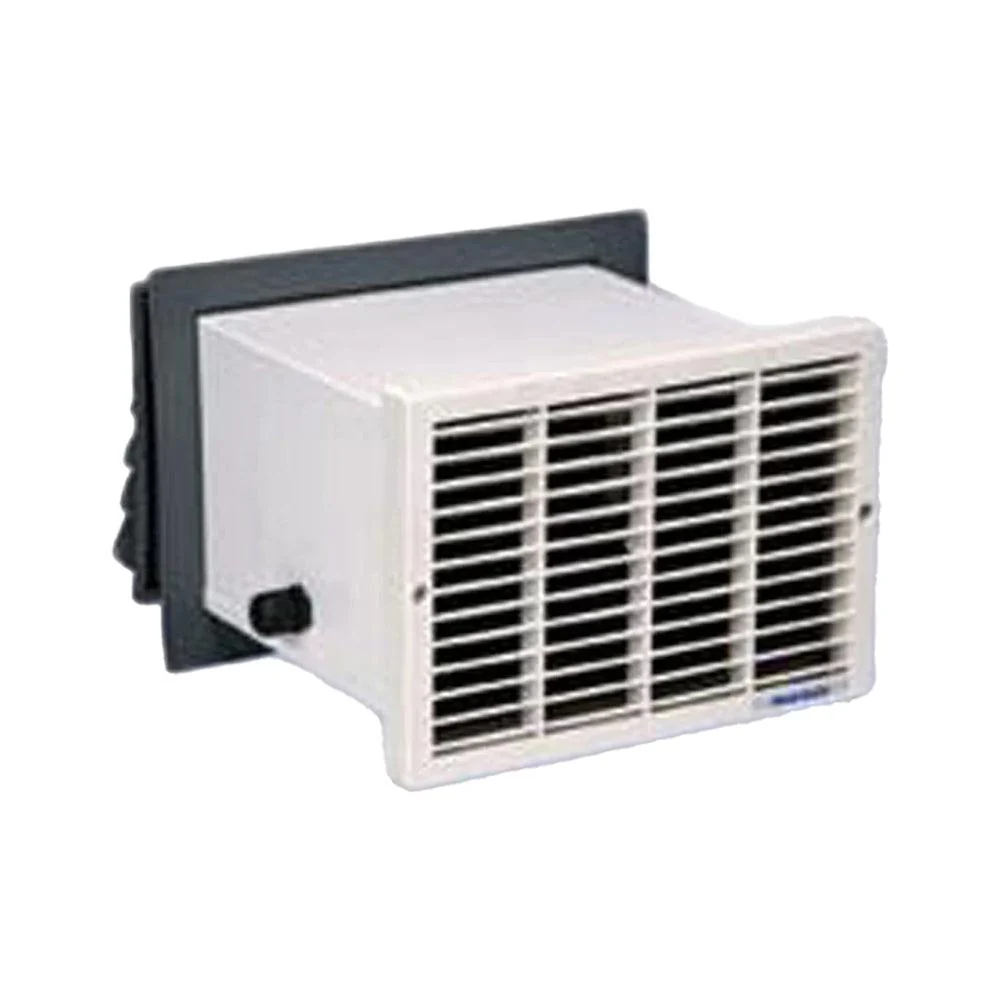
Modern homes increasingly require ventilation solutions that can support indoor air quality without creating unnecessary energy demands. A single room HRV provides a practical approach by continuously exchanging stale indoor air with fresh outdoor air while recovering heat that would otherwise be lost. This heat-recovery process helps maintain more consistent indoor temperatures while limiting the energy required to condition incoming air. Single room heat-recovery technology can also assist with managing humidity and reducing the concentration of indoor pollutants, supporting a cleaner and more comfortable environment. Its compact design and flexible installation make it particularly suitable for improving ventilation within individual rooms where targeted airflow management is required.
Fresh Air Exchange and Indoor Environmental Quality
Heat recovery technology can contribute to healthier indoor environments by maintaining a consistent flow of fresh and filtered air. Using a heat exchanger, these systems recover thermal energy from stale air leaving the property and transfer it to fresh outdoor air before it enters the room. This controlled exchange can help reduce airborne pollutants, allergens, and excess moisture that may otherwise affect indoor comfort and air quality.
Maintaining more balanced humidity levels can also help limit conditions associated with dampness and mould development. By continuously replacing stale air with fresh air while conserving much of the existing thermal energy, heat recovery systems provide a practical method of supporting cleaner and more comfortable conditions within enclosed spaces.
Reducing Energy Demands through Efficient Air Exchange
Heat recovery ventilation systems provide a way to support fresh air circulation while keeping energy consumption under control. By transferring heat between outgoing and incoming air streams, they reduce the need for additional heating or cooling to condition fresh air. Compared with conventional ventilation methods, this process can minimise thermal losses, with some systems capable of retaining up to 90% of heat that could otherwise escape. This supports energy conservation while helping maintain more consistent indoor temperatures.
Modern units may incorporate sensors and automated controls that regulate airflow according to changing indoor conditions, further supporting efficient operation. Their compact construction can also make integration easier across different types of spaces and building layouts, providing flexibility where architectural requirements vary.
The combination of controlled ventilation and thermal recovery allows these systems to support sustainability goals without compromising regular air exchange. Their ability to deliver fresh airflow while conserving energy makes heat recovery ventilators suitable for environments where indoor comfort and efficiency need to work together. Practical designs and energy-conscious operation provide an effective approach to managing indoor climate conditions.
Targeted Airflow with Single Room Heat Recovery
Single room heat recovery systems provide a focused ventilation solution for individual rooms where specific air exchange requirements need to be addressed. These units recover warmth from stale air being removed and transfer it to incoming fresh air, helping support comfortable temperatures while maintaining a regular supply of outdoor airflow.
This approach can be particularly useful in rooms where moisture levels are commonly higher, such as bathrooms and kitchens. By supporting the removal of humid air, the systems can help address concerns related to condensation and dampness. Their compact design allows installation with limited impact on available space or interior appearance. Independent operation also allows ventilation levels to be managed according to the requirements of particular rooms.
Targeted ventilation can provide effective air exchange without the extensive ductwork often associated with whole-property systems. This makes single room solutions a practical choice for improving conditions in frequently occupied or moisture-prone areas while limiting the need for major structural modifications. Through focused operation, they can support indoor air quality and efficient ventilation within specific parts of a property.
Key Features That Support Efficient Room Ventilation
Modern heat-recovery systems incorporate advanced features that ensure efficient room ventilation. High-performance heat exchangers are central to their functionality, recovering a substantial portion of the heat from outgoing air to pre-warm incoming air. This process not only enhances energy efficiency but also maintains a consistent indoor climate.
Additionally, many units are equipped with precision-engineered filters that capture airborne particles and allergens, improving air quality. Quiet operation is another essential feature, making these systems suitable for a variety of settings, including noise-sensitive environments. Adjustable fan speeds and smart controls enable customisable ventilation tailored to specific room conditions. Moreover, their compact and unobtrusive design allows for easy installation in various residential or commercial spaces, without altering the existing interior layout.
The durability of components and the low-maintenance requirements further contribute to their appeal, ensuring long-lasting and reliable performance. These key features collectively enhance the overall ventilation experience by addressing air exchange efficiency, noise levels, air filtration, and adaptability to different spaces, offering an advanced solution for maintaining fresh and comfortable indoor environments.
Finding the Right Small Heat Recovery Ventilator for Compact Areas
Choosing a small heat recovery ventilator for a restricted area involves considering both functionality and physical design. These units are intended for compact environments, delivering effective ventilation without occupying excessive space. Their smaller dimensions make them suitable for individual rooms, small flats, and properties undergoing retrofitting where larger systems may not be practical. Low-noise operation can also be valuable in residential and work environments where maintaining a quiet atmosphere is important.
Efficient heat exchange technology can recover thermal energy from outgoing air, helping reduce energy use while maintaining comfortable indoor conditions. Ease of installation and maintenance should also be considered, particularly when the available access around the unit is limited. Effective filtration can further support cleaner air by capturing dust, allergens, and other airborne particles. Adjustable airflow settings can provide greater control, allowing ventilation levels to be matched to the requirements of different rooms.
Maintaining Comfortable Temperatures during Fresh Air Exchange
Heat-recovery ventilation systems allow continuous fresh air to enter indoor spaces while helping conserve existing thermal energy. During operation, heat is captured from stale outgoing air and transferred to incoming fresh air, helping maintain more stable indoor temperatures without unnecessary heat loss. This reduces the demand placed on heating equipment and can contribute to more efficient energy use and lower operating costs. The ventilation process can also assist with humidity control, helping reduce excessive moisture, dampness, and conditions associated with mould.
Traditional ventilation methods can allow substantial amounts of conditioned air and heat to escape during air exchange. Heat-recovery systems instead focus on retaining thermal energy while continuing to provide fresh airflow. This combination supports indoor comfort and ventilation efficiency, making the technology suitable for modern properties where maintaining air quality and controlling energy consumption are both important considerations.
Assessing Small HRV Units for Different Home Environments
Several considerations can help determine the suitability of small HRV units for residential use. These compact systems are designed to provide effective air exchange in areas with limited installation space while supporting energy-efficient operation. Differences in airflow capacity, filtration performance, and operating noise mean that system selection should reflect the conditions and usage of the intended room. Spaces with higher occupancy or greater exposure to pollutants may benefit from stronger airflow and more capable filtration.
Low operating noise can be particularly valuable in bedrooms, study rooms, and other areas where quiet conditions are preferred. Some units also provide programmable controls that allow ventilation settings to correspond with occupancy patterns and daily schedules. Their compact construction makes them suitable for smaller flats, converted attic areas, and other locations where conventional ventilation equipment may be difficult to install.
How Heat Exchange Helps Control Ventilation Costs
Heat-recovery ventilation systems improve energy efficiency by transferring thermal energy between outgoing and incoming air during the ventilation cycle. Recovering this heat reduces the amount of additional heating or cooling required to condition fresh outdoor air, helping limit unnecessary energy consumption. As thermal energy remains within the indoor environment to a greater extent, heating and cooling systems may experience a reduced workload while fresh air continues to circulate.
Lower energy requirements can contribute to reduced operating expenses while supporting broader energy conservation objectives. Modern systems can use efficient heat exchangers designed to recover a significant proportion of otherwise wasted thermal energy. Their relatively compact and adaptable construction also allows installation across different residential and commercial environments, providing an efficient approach to ventilation without requiring excessive space.
Where Single-Room Heat Recovery Can Be Applied
Single-room heat recovery systems can provide targeted ventilation in areas where individual airflow requirements need to be addressed. They can be particularly useful in moisture-prone rooms such as kitchens and bathrooms, where regular air exchange can help manage humidity and reduce damp conditions. In bedrooms and home offices, these systems can provide fresh airflow with limited operating noise, helping maintain comfortable conditions for rest and focused activities. Their compact design also makes them suitable for retrofitting older properties and smaller flats where centralised ventilation may be difficult to accommodate.
Workshops and hobby rooms can also benefit from targeted ventilation where pollutants, odours, or restricted natural airflow are concerns. In commercial properties, individual units can support ventilation in enclosed meeting rooms, private offices, and storage areas. By addressing the specific airflow requirements of separate spaces, these systems provide flexible ventilation while supporting efficient operation across a range of residential and commercial settings.
Matching a Single Room Heat Recovery Ventilator to Room Needs
Selecting a single room heat recovery ventilator requires consideration of factors such as room dimensions, occupancy, usage patterns, and required airflow. The unit’s ventilation capacity should be appropriate for the size of the space to provide effective air exchange without unnecessary system demand. Operating noise is another important consideration, particularly for bedrooms, studies, and other areas where a quieter environment is preferred.
Adjustable airflow controls and smart operating functions can provide greater flexibility by allowing ventilation levels to respond to changing indoor conditions. Heat recovery performance should also be assessed because efficient thermal transfer can influence both energy use and indoor comfort. Suitable filtration can further support cleaner air by capturing airborne pollutants and allergens. Installation requirements, unit dimensions, and overall appearance should also be considered when selecting a compact system that integrates effectively into the available space.
Conclusion
Single room HRV systems provide a practical solution for improving indoor environments through efficient air exchange and energy-conscious ventilation. Designed for individual spaces, these units deliver consistent airflow while helping minimise unnecessary energy use. Their ability to recover heat during ventilation can reduce heating demands and support more sustainable operation. Compact designs make them suitable for smaller spaces and retrofit applications, offering flexibility across different settings. By managing humidity, pollutants, and airflow needs, these systems can enhance comfort and support healthier indoor living environments.
FAQs
What is the purpose of a single room HRV?
A single room HRV is a ventilation unit designed to improve air quality within individual rooms. It replaces stale indoor air with fresh outdoor air while recovering heat to help reduce energy loss.
How does heat-recovery ventilation work?
Heat-recovery ventilation uses a heat exchanger to transfer warmth from outgoing air to incoming fresh air. This process supports efficient energy use while helping maintain consistent indoor temperatures.
Where compact HRV-units are commonly installed?
Compact HRV-units are commonly installed in smaller spaces such as bathrooms, kitchens, and bedrooms. Their space-saving design also makes them appropriate for retrofitting older buildings and areas with limited installation space.
Can these systems regulate indoor humidity?
Yes, these systems can help manage humidity by maintaining more balanced moisture levels. This may reduce dampness and help limit mould growth, particularly in areas exposed to excess moisture.
How often do single-room HRVs require maintenance?
Maintenance typically involves cleaning or replacing filters and inspecting the unit to ensure proper operation. Regular servicing can help maintain ventilation efficiency and support consistent indoor air quality.
Are heat-recovery ventilators energy efficient?
Heat-recovery ventilators can provide efficient operation by retaining thermal energy during air exchange, helping reduce the heating and cooling requirements of indoor spaces.
| Related Business Listings |
| Contact Directory |
| Local Business Profiles |