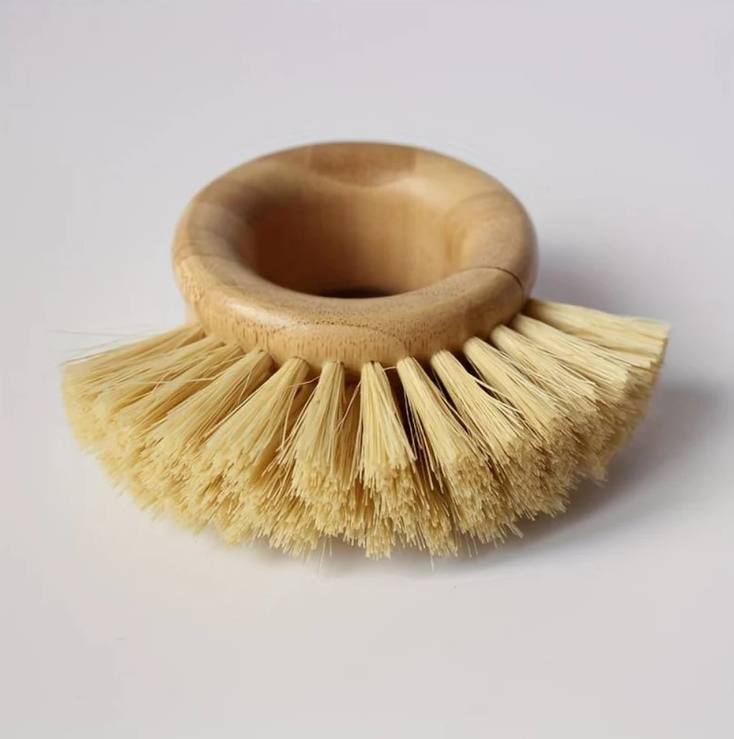
Washing fruits and vegetables properly is an important part of healthy cooking, yet many people rely only on water to clean produce. A more effective and often overlooked tool is a brush for vegetables, designed to remove dirt, pesticides, and residues from the surface of fresh produce.
Using a vegetable brush helps ensure that your food is not only visually clean but also safer to eat. It is a simple kitchen tool that can make a big difference in food hygiene and overall health.
What Is a Brush for Vegetables?
A brush for vegetables is a small cleaning tool designed with soft or medium-bristle fibers used to scrub the surface of fruits and vegetables. It helps remove:
- Dirt and soil
- Pesticide residue
- Wax coatings
- Surface bacteria
- Food particles
These brushes are typically made from materials like:
- Natural bristles
- Nylon bristles
- Bamboo handles
- Wood and plant-based fibers
They are safe to use on most firm fruits and vegetables.
Why Use a Vegetable Brush?
Many fruits and vegetables grow in soil or are handled multiple times before reaching your kitchen. Simply rinsing with water may not remove all impurities.
A vegetable brush helps:
- Improve food hygiene
- Remove stubborn dirt
- Reduce chemical residue
- Enhance food safety
- Prepare vegetables more effectively for cooking
It is especially useful for root vegetables and produce with rough skin.
Benefits of Using a Brush for Vegetables
Better Cleaning Efficiency
A vegetable brush removes dirt that water alone cannot reach, especially in crevices and textured surfaces.
Reduces Pesticide Residue
While not all chemicals can be removed completely, scrubbing helps reduce surface-level pesticide residues.
Improves Food Safety
Cleaner vegetables mean lower risk of consuming harmful bacteria or contaminants.
Saves Time in Food Preparation
Using a brush speeds up the cleaning process compared to soaking or repeated rinsing.
Eco-Friendly Kitchen Tool
Most vegetable brushes are reusable and made from natural materials like bamboo and plant fibers.
Types of Vegetable Brushes
Soft Bristle Brushes
Ideal for delicate fruits like tomatoes, apples, and pears.
Firm Bristle Brushes
Best for root vegetables such as potatoes, carrots, and radishes.
Dual-Sided Brushes
These feature two bristle types for different cleaning needs.
Bamboo Vegetable Brushes
Made with natural bamboo handles and eco-friendly bristles for sustainable kitchens.
How to Use a Brush for Vegetables
Using a vegetable brush is simple and quick.
Step 1: Rinse the Vegetable
Start by rinsing the vegetable under running water.
Step 2: Apply Gentle Scrubbing
Use the brush to gently scrub the surface in circular motions.
Step 3: Focus on Dirty Areas
Pay extra attention to grooves, edges, and soil-covered parts.
Step 4: Rinse Again
Wash off loosened dirt under clean water.
Step 5: Dry or Cook
Pat dry or proceed with cooking as needed.
Best Vegetables to Clean with a Brush
A vegetable brush works best on firm and textured produce such as:
- Potatoes
- Carrots
- Cucumbers
- Beets
- Radishes
- Apples
- Zucchini
Soft fruits like berries should not be brushed as they can get damaged.
Vegetable Brush vs Water Washing
Effectiveness
Water alone removes surface dirt, while brushing provides deeper cleaning.
Hygiene
Brushing reduces bacteria and pesticide residue more effectively than rinsing alone.
Efficiency
A vegetable brush speeds up cleaning, especially for root vegetables.
Versatility
Water washing is general, but brushing targets stubborn dirt and soil.
How to Clean a Vegetable Brush
Proper maintenance ensures hygiene and longer lifespan.
Rinse After Use
Wash the brush thoroughly after every use.
Use Soap Weekly
Clean with mild dish soap to remove buildup.
Air Dry Completely
Allow it to dry in a well-ventilated area to prevent mold.
Replace When Worn
Replace the brush when bristles become soft or damaged.
Eco-Friendly Benefits of Vegetable Brushes
A brush for vegetables is a sustainable kitchen tool that reduces waste and promotes healthier habits.
- Reusable and long-lasting
- Reduces need for disposable wipes
- Made from natural materials
- Supports zero-waste kitchen practices
Switching to eco-friendly cleaning tools contributes to a more sustainable lifestyle.
Common Mistakes to Avoid
Using Too Much Pressure
Hard scrubbing can damage delicate vegetables.
Using on Soft Produce
Avoid using brushes on berries or leafy greens.
Not Cleaning the Brush
A dirty brush can transfer bacteria instead of removing it.
Who Should Use a Vegetable Brush?
A vegetable brush is useful for:
- Health-conscious individuals
- Families preparing fresh meals
- Home cooks and chefs
- Eco-friendly households
- People eating raw vegetables regularly
It is a simple tool that improves everyday cooking hygiene.
Why Vegetable Brushes Are Becoming Popular
With increasing awareness of food safety and pesticide concerns, more people are adopting better cleaning practices. Vegetable brushes are gaining popularity because they are affordable, easy to use, and highly effective.
They also align with the growing trend of eco-friendly and sustainable kitchen tools.
Conclusion
A brush for vegetables is a small but powerful kitchen tool that improves food cleanliness and safety. It helps remove dirt, pesticides, and surface impurities more effectively than water alone, making your meals healthier and safer.
By adding this simple tool to your kitchen routine, you can enhance hygiene, reduce waste, and enjoy fresher, cleaner produce every day.