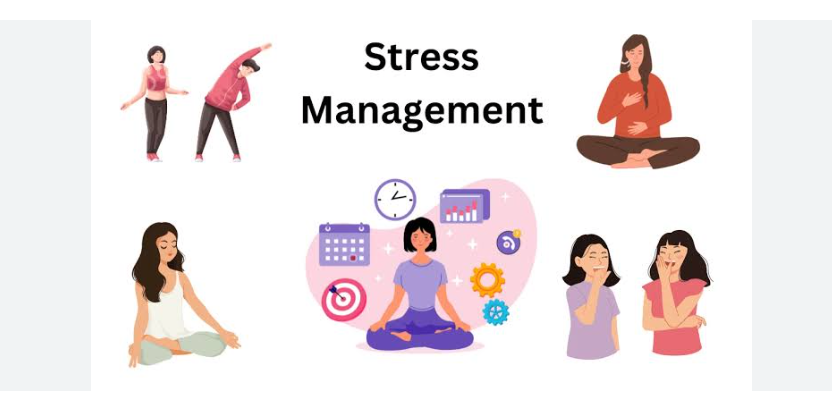
Managing ongoing stress can play an important role in maintaining emotional balance and supporting overall well-being. Stress management counselling and therapy provide structured approaches that can help address the pressures associated with personal, social, and professional circumstances. These therapeutic methods may assist with recognising stress triggers, developing healthier responses, and strengthening coping skills for future challenges. Addressing contributing factors rather than focusing solely on immediate symptoms can support greater mental clarity and more constructive relationships. Through personalised strategies and sustainable behavioural approaches, counselling and therapy can help establish healthier ways of responding to stress while supporting greater stability and well-being over the longer term.
Why Effective Stress Management Matters for Well-Being
Managing stress effectively is an important part of protecting mental and physical well-being. Persistent stress may be associated with concerns such as anxiety, depression, elevated blood pressure, and reduced immune function. Developing appropriate management techniques can help regulate emotional and physical reactions when difficult circumstances arise.
Approaches including relaxation practices, organised time planning, and cognitive strategies can help lessen the effects of stress on everyday functioning. Effective management may also support improved concentration, healthier sleep, and more positive interpersonal relationships. Recognising the broader consequences of prolonged stress highlights the importance of addressing contributing factors and developing practical strategies before stress becomes increasingly difficult to manage.
Exploring Constructive Ways to Cope with Stress
Constructive coping methods can support mental and physical well-being by providing healthier ways to respond to ongoing pressure. They can reduce reliance on unhelpful behaviours while encouraging more balanced responses to demanding circumstances. Activities such as creative pursuits, outdoor time, and gratitude practices may help reduce tension and promote greater emotional balance.
These approaches can also encourage self-awareness by helping individuals recognise emotional triggers and understand their typical reactions to stressful situations. Developing constructive coping habits may strengthen problem-solving skills and support more deliberate responses when difficulties arise.
Having practical methods for processing emotions can make it easier to maintain concentration and perspective during demanding periods. With regular practice, these techniques can support improved emotional regulation and a calmer response to stress. They can also be adapted to individual routines, preferences, and circumstances, making them more realistic to maintain as part of everyday life.
Strengthening Resilience by Managing Stress Effectively
Resilience can help individuals adjust to adversity and respond to difficult circumstances with greater flexibility. Effective stress management can contribute to developing this capacity through techniques that encourage emotional regulation and constructive thinking. Mindfulness exercises, reflective practices, and gratitude activities can support greater awareness and help individuals approach stressful experiences with a more balanced perspective.
Supportive relationships can also contribute to resilience by providing encouragement, reassurance, and opportunities for constructive feedback. Structured approaches to managing stress may help individuals reconsider difficult experiences from different perspectives and develop more proactive responses to challenges.
Consistent use of these techniques can gradually strengthen emotional coping and confidence when dealing with future pressures. Greater resilience can support adaptation when circumstances change and may help individuals recover from setbacks more effectively. Through continued practice and the development of practical coping skills, stress management can become an established part of maintaining emotional stability and supporting longer-term well-being.
Creating More Balanced Responses to Everyday Pressure
Responding to everyday pressures in healthier ways involves recognising automatic reactions and developing more considered behavioural patterns. Techniques such as mindful breathing and grounding exercises can help create a pause between a stressful situation and the resulting response. This can support clearer thinking, emotional regulation, and more deliberate decision-making when circumstances feel demanding.
Maintaining appropriate boundaries can also reduce unnecessary pressure by limiting overcommitment and creating space for rest. Prioritising responsibilities, allowing sufficient recovery time, and participating in relaxing activities such as hobbies or gentle physical movement can further support stress management.
Over time, these practices can strengthen a sense of control and confidence when dealing with everyday difficulties. Consistent use of balanced responses can encourage greater adaptability and reduce reactive behaviour during demanding situations. Incorporating practical habits into daily routines can therefore support clearer thinking, steadier emotions, and a more constructive approach to managing ongoing pressures.
Sustaining Progress with Stress Management Counselling and Therapy
Ongoing support through stress management counselling and therapy can help individuals maintain progress as their circumstances and sources of stress change. Regular sessions provide a structured setting for examining current pressures, identifying recurring patterns, and refining coping techniques according to evolving needs.
Continued therapeutic support can address both immediate concerns and longer-term behavioural patterns. Exploring triggers and responses in greater depth may strengthen self-awareness and provide a clearer understanding of how stress influences thoughts, emotions, and daily activities.
As coping strategies become more familiar, individuals may be better prepared to respond proactively when new pressures arise. Professional guidance can also provide an opportunity to review progress, identify areas requiring adjustment, and maintain focus on established goals. Over time, this ongoing process can support resilience, adaptability, and more sustainable approaches to managing stress.
Improving Emotional Balance and Daily Functioning
Emotional balance is essential for maintaining stability in both personal and professional aspects of life. Stress can disrupt this equilibrium, leading to difficulties in managing emotions and maintaining focus. Through stress management counselling & therapy, individuals can explore methods to regulate emotional responses and develop a stronger sense of control over their feelings.
Techniques such as mindfulness, cognitive reframing, and relaxation exercises are often introduced to help achieve a more composed state of mind. Emotional balance also enhances the ability to communicate effectively and approach situations with greater clarity and patience. This improvement in emotional regulation supports better decision-making and fosters harmonious interactions with others.
Additionally, achieving balance allows individuals to allocate energy more efficiently, ensuring that daily responsibilities are managed with greater ease. By focusing on enhancing emotional stability, stress management interventions contribute to an improved ability to adapt to changing circumstances and handle pressures constructively.
The Role of Professional Guidance in Managing Stress
Professional guidance serves as an essential component in addressing stress effectively. Qualified professionals provide a neutral and supportive environment where individuals can explore their stressors and identify underlying patterns that contribute to their emotional challenges. Through the application of evidence-based methods, such as cognitive behavioural techniques or relaxation strategies, counsellors offer practical tools tailored to individual circumstances.
This personalised approach ensures that interventions align with the unique needs and goals of each person, making stress management more effective. Additionally, professionals assist in fostering self-awareness by helping individuals recognise how their thoughts, behaviours, and emotions interact, paving the way for meaningful change. Regular sessions enable individuals to track progress, refine their coping strategies, and address new challenges as they arise.
Moreover, professional guidance ensures that individuals are supported in a consistent and structured manner, creating a reliable foundation for managing stress both in the present and the future. This process also helps individuals develop a proactive mindset, encouraging them to approach stressors constructively while maintaining emotional stability. Through professional input, stress management becomes an informed and intentional practice, promoting lasting improvements in mental well-being.
Establishing Everyday Routines That Support Lasting Wellness
Developing sustainable daily habits can contribute significantly to long-term well-being and more effective stress management. Consistent routines that support physical and emotional health can provide a stable foundation for dealing with everyday demands. Regular physical activity, balanced nutrition, and sufficient quality sleep can all contribute to lower stress levels while supporting greater resilience.
Relaxation practices, including controlled breathing and progressive muscle relaxation, can also be incorporated into regular routines to encourage calmness and emotional balance. Maintaining these habits consistently may reduce the likelihood of stress building up and becoming increasingly difficult to manage.
Effective time organisation and making space for leisure activities or personal interests can create a healthy balance between responsibilities and recovery. Over time, repeated healthy behaviours can become established parts of daily routines, providing a practical framework for managing pressure while maintaining concentration, emotional stability, and overall well-being.
Preparing for Future Pressures with Stronger Coping Skills
Developing stronger coping skills can provide individuals with practical tools for responding to future sources of stress with greater flexibility. Stress management counselling & therapy can introduce structured techniques that support this development, including assertiveness exercises, relaxation methods, and cognitive reframing. These approaches can help individuals consider stressful situations more constructively and develop more balanced responses.
Learning these techniques can reduce the likelihood of becoming overwhelmed or reacting impulsively when difficult circumstances arise. Regular practice may strengthen awareness and increase a sense of control over thoughts, emotions, and behaviours. Improved coping abilities can also support more effective problem-solving by encouraging individuals to examine situations carefully and identify practical responses.
A proactive approach to managing challenges can reduce their potential impact and contribute to greater resilience over time. Personalised coping strategies allow individuals to develop methods that correspond with their circumstances and particular needs when dealing with stress. With continued application, these skills can become familiar responses, supporting emotional stability and mental well-being when future difficulties occur.
Conclusion
Stress management counselling and therapy provide structured support for recognising stressors and developing healthier ways to respond to them. Through tailored therapeutic approaches, individuals can build practical coping skills that encourage emotional stability, clearer thinking, and improved day-to-day functioning. Strengthening resilience can also help people navigate difficult circumstances while maintaining greater emotional balance. Professional guidance allows strategies to reflect individual experiences and ongoing needs, supporting more consistent progress. Over time, combining effective coping methods with sustainable lifestyle habits can contribute to improved well-being and greater emotional stability.
FAQs
What areas do stress management counselling and therapy address?
Stress management counselling and therapy can explore the underlying causes and effects of stress while introducing structured techniques and personalised approaches that support emotional well-being and healthier responses.
How can coping strategies support emotional health?
Constructive coping strategies can help individuals respond to stressful situations more effectively, supporting emotional regulation and reducing the likelihood of developing unhelpful behaviours that may affect mental well-being.
Why can professional guidance be valuable for managing stress?
Professional guidance provides an objective perspective and uses appropriate therapeutic methods to develop strategies around individual circumstances. This personalised approach can help address specific stressors and support sustainable progress.
How can stress management techniques affect everyday relationships?
Stress management techniques can improve emotional control and concentration, helping individuals communicate more constructively and respond to interpersonal situations with greater balance in personal and professional environments.
How can consistent habits help reduce stress?
Regular activities such as physical exercise, relaxation practices, and effective time management can establish healthier routines. Maintaining these habits may help manage ongoing pressures and prevent stress from becoming overwhelming.
What connection exists between resilience and stress management?
Resilience can strengthen the ability to adapt to challenging situations and recover from setbacks. Developing this capacity may reduce the emotional effects of stress while supporting healthier responses to difficult experiences.
| Related Business Listings |
| Contact Directory |
| Local Business Profiles |