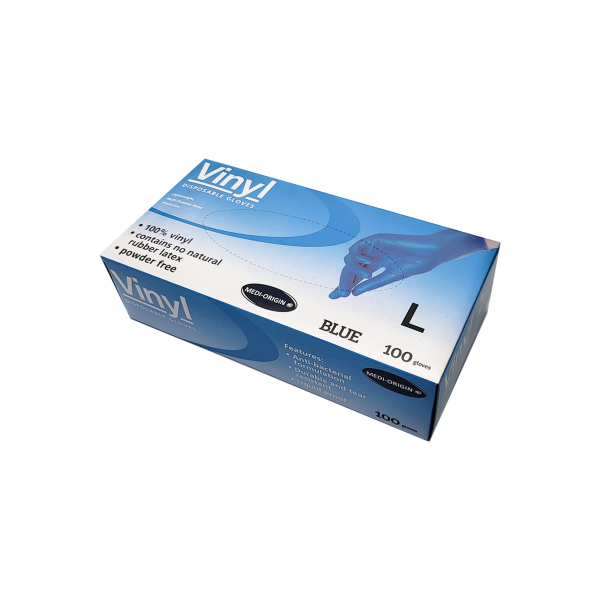
Disposable gloves are essential supplies for businesses that prioritize hygiene, cleanliness, and workplace safety. From healthcare facilities and laboratories to food processing companies, cleaning services, beauty salons, and manufacturing operations, gloves help protect hands and reduce the transfer of contaminants when selected and used correctly.
For businesses that use gloves every day, purchasing them in larger quantities can simplify procurement and help control operating costs. Choosing bulk disposable gloves wholesale options allows organizations to maintain consistent stock levels, compare different materials, and select products suited to their specific working environments.
However, not all disposable gloves provide the same level of protection. Nitrile, latex, vinyl, and polyethylene gloves have different properties, making it important to choose the right type for each application. Factors such as glove thickness, fit, durability, chemical compatibility, and relevant safety standards should all be considered before placing a bulk order.
In this guide, we explain the benefits of wholesale disposable gloves, the differences between glove materials, common industry applications, and how to choose a reliable supplier for your business.
What Are Bulk Disposable Gloves?
Bulk disposable gloves are single-use protective gloves purchased in larger quantities, usually in boxes, cases, or cartons containing multiple glove boxes.
They are designed for tasks where hand hygiene, contamination control, or protection against particular substances is important. Depending on the product, they may be suitable for food handling, cleaning, laboratory work, healthcare activities, personal care services, and general commercial applications.
Businesses can purchase disposable gloves in several materials, sizes, colours, and thicknesses.
Common options include nitrile gloves, latex gloves, vinyl gloves, and polyethylene gloves. Each type offers different advantages and limitations.
For example, nitrile gloves are commonly selected for their resistance to many oils and chemicals, while vinyl gloves may suit certain lower-risk, short-duration tasks. Latex gloves offer flexibility and a close fit but can cause allergic reactions in susceptible individuals.
Buying bulk disposable gloves wholesale supplies can help businesses reduce repeated purchasing tasks and maintain an adequate inventory for everyday operations.
The most suitable option depends on the work being performed, the hazards involved, and the manufacturer’s specifications.
Why Buy Disposable Gloves Wholesale?
Purchasing gloves in bulk can provide several advantages for businesses with regular glove consumption.
1. Lower Cost Per Pair
Wholesale suppliers may offer lower unit prices when businesses purchase larger quantities.
This can be beneficial for healthcare providers, restaurants, cleaning companies, laboratories, and other organizations that use disposable gloves throughout the day.
However, the lowest price does not always provide the best value.
A glove that tears frequently or does not fit properly may increase waste and interrupt work. Businesses should compare quality, specifications, and total purchasing costs before choosing a supplier.
2. Consistent Stock Availability
Running out of disposable gloves can disrupt routine operations.
Bulk purchasing helps businesses maintain sufficient stock and reduces the need for frequent emergency orders.
This is particularly important for facilities where gloves form part of established hygiene procedures or personal protective equipment requirements.
A suitable inventory plan should account for average consumption, supplier lead times, and unexpected increases in demand.
3. Simplified Procurement
Ordering larger quantities can reduce the number of purchase orders and supplier communications required.
Businesses may also benefit from standardized glove specifications across departments.
For example, a cleaning company can establish approved glove types for different tasks, making it easier for purchasing teams to reorder the correct products.
4. Better Budget Planning
Wholesale purchasing makes it easier to estimate glove expenditure over a defined period.
By tracking consumption and unit prices, businesses can forecast future requirements and allocate budgets more accurately.
Some suppliers may offer scheduled deliveries or volume-based pricing, depending on their terms.
5. Greater Product Selection
Wholesale suppliers may offer several glove materials, sizes, colours, and thicknesses.
This allows businesses to choose products according to the requirements of different tasks instead of using one glove type for every situation.
A business may need nitrile gloves for selected chemical-handling tasks, food-contact gloves for suitable food preparation activities, and heavier reusable gloves for other cleaning applications.
The selection should always reflect the specific risks involved.
Types of Disposable Gloves Available Wholesale
Understanding the differences between glove materials is essential when buying in bulk.
Nitrile Disposable Gloves
Nitrile gloves are made from synthetic rubber and are widely used in healthcare, laboratories, cleaning, automotive work, and various commercial environments.
They are often chosen as an alternative to natural rubber latex.
Benefits of Nitrile Gloves
Nitrile gloves generally provide good resistance to punctures compared with many similarly designed disposable gloves. They also offer resistance to numerous oils, greases, and chemicals, although compatibility depends on the specific substance, glove formulation, and exposure conditions.
They are available in different thicknesses and designs, including examination-grade and industrial options.
Powder-free nitrile gloves are commonly used where minimizing powder contamination is important.
Common Applications
Nitrile gloves may be used for selected medical examinations, laboratory procedures, cleaning tasks, automotive maintenance, beauty services, and handling certain chemicals.
However, not every nitrile glove is suitable for medical use or hazardous chemical handling.
Check the product’s intended use, relevant certifications, and chemical compatibility information before selecting it.
Latex Disposable Gloves
Latex gloves are manufactured from natural rubber latex.
They are known for their elasticity, flexibility, and close fit, which can make them suitable for tasks requiring good tactile sensitivity.
Benefits of Latex Gloves
Latex gloves can provide a comfortable fit and allow precise hand movements.
Depending on their design and certification, they may be suitable for selected medical, dental, laboratory, and examination applications.
Important Considerations
Natural rubber latex proteins can cause allergic reactions in some individuals. Businesses should consider this risk when selecting gloves for employees, customers, patients, or other users.
Latex gloves are also not suitable for every chemical exposure.
Where latex allergies are a concern, nitrile or another appropriate alternative may be preferable.
Vinyl Disposable Gloves
Vinyl gloves are generally made from polyvinyl chloride (PVC).
They are often used for selected short-duration tasks where the required protection level is appropriate for the glove’s design.
Benefits of Vinyl Gloves
Vinyl gloves can be a cost-conscious option for certain routine activities.
They may be suitable for some food handling, hospitality, cleaning, and personal care tasks, provided the specific product is approved for the intended use.
Limitations of Vinyl Gloves
Vinyl gloves generally offer less elasticity and may provide a less close fit than nitrile or latex gloves.
They may also be less suitable for tasks involving significant mechanical stress or demanding chemical exposure.
Businesses should evaluate fit, durability, and the nature of the work before choosing vinyl gloves for high-volume use.
Polyethylene Disposable Gloves
Polyethylene gloves are typically lightweight and loose-fitting.
They are commonly used for short, simple tasks where easy removal and replacement are priorities.
Common Applications
Depending on the product’s specifications, polyethylene gloves may be suitable for selected food preparation tasks, deli counters, sandwich preparation, and other low-risk activities.
They are not generally a substitute for close-fitting protective gloves where reliable chemical resistance, puncture resistance, or precise handling is required.
Always check whether the product is suitable for the intended food-contact or workplace application.
Industries That Buy Disposable Gloves in Bulk
Different industries require different glove specifications. Choosing the right product helps support appropriate hygiene and safety practices.
Healthcare and Medical Facilities
Hospitals, clinics, dental practices, and other healthcare providers use disposable gloves for selected procedures and tasks involving potential exposure to biological materials.
The appropriate glove depends on the procedure, anticipated exposure, and applicable healthcare requirements.
Products intended for medical examinations should meet the relevant regulatory and performance requirements for their intended market.
Gloves do not replace hand hygiene or other infection prevention measures.
Food Processing and Hospitality
Restaurants, catering companies, food manufacturers, and commercial kitchens may use disposable gloves for selected food preparation and handling tasks.
Gloves should be suitable for food contact and compatible with the business’s food safety procedures.
Changing gloves when contaminated and washing hands at the appropriate times remain important.
Gloves should not be treated as a substitute for proper handwashing or safe food handling.
Cleaning and Janitorial Services
Cleaning businesses may use disposable gloves to help protect workers’ hands from selected cleaning products and contaminants.
The correct glove depends on the chemical being used, its concentration, the duration of contact, and the manufacturer’s compatibility data.
Disposable examination gloves are not automatically suitable for every cleaning chemical.
For prolonged exposure or stronger chemicals, a specifically tested chemical-resistant glove may be necessary.
Laboratories and Research Facilities
Laboratories may use gloves to reduce contamination and protect hands during selected procedures.
The required material depends on the substances being handled and the laboratory’s safety procedures.
Some laboratory tasks require specialized chemical-resistant gloves or other protective equipment.
Review the relevant safety data sheets and glove manufacturer’s compatibility guidance before selecting products.
Beauty Salons and Personal Care Businesses
Beauty salons, nail studios, hair removal services, and selected personal care businesses use gloves for hygiene and protection during particular treatments.
Nitrile gloves may be suitable for many routine applications, but products must be selected according to the chemicals and procedures involved.
For hair dyes, nail products, cleaning agents, or other chemicals, verify the glove’s compatibility instead of assuming all disposable gloves provide adequate protection.
Automotive and Manufacturing Businesses
Automotive workshops and manufacturing facilities may use disposable gloves for selected maintenance, inspection, and handling tasks.
Nitrile gloves are often chosen for their resistance to many oils and greases.
However, disposable gloves may not provide sufficient protection against sharp components, prolonged chemical contact, heat, or heavy mechanical work.
Businesses should use task-appropriate protective equipment based on a workplace risk assessment.
How to Choose the Right Bulk Disposable Gloves
Selecting the correct gloves requires consideration of the task, the user, and the working environment.
Choose the Correct Material
Start by identifying the main purpose of the gloves.
Consider whether workers need protection against biological materials, oils, cleaning products, food contamination, or other hazards.
Nitrile, latex, vinyl, and polyethylene gloves have different properties, so select the material according to the manufacturer’s specifications and the actual requirements of the job.
Select the Right Size
Proper fit is important for comfort, dexterity, and effective glove use.
Gloves that are too tight may tear or cause discomfort, while oversized gloves can reduce control and make precise tasks more difficult.
Most suppliers offer several sizes, although the range varies by product.
If you are ordering for a large team, consider testing samples in different sizes before purchasing a full carton.
Consider Glove Thickness
Glove thickness can influence durability, tactile sensitivity, and resistance to certain forms of damage.
Thicker gloves may provide greater physical durability in some applications, but thickness alone does not guarantee protection against chemicals or biological hazards.
Check the product specifications and intended-use guidance before deciding.
Check Relevant Certifications
Some applications require gloves that meet specific medical, food-contact, or protective equipment standards.
Confirm that the exact product meets the requirements applicable to your industry and location.
Do not assume that all disposable gloves are sterile, medical grade, chemical resistant, or approved for direct food contact.
Ask the supplier for supporting documentation where required.
Consider Powder-Free Options
Powder-free gloves are commonly preferred in many healthcare, food-handling, and laboratory environments because they help reduce powder-related contamination.
The suitability of a glove depends on the application and relevant requirements.
Review product labelling and confirm that the selected option meets your workplace procedures.
Evaluate Packaging and Quantity
Disposable gloves may be sold in boxes, multipacks, or larger cartons.
Check the number of gloves per box, whether the count refers to individual gloves or pairs, and the number of boxes included in each wholesale case.
Clear quantity information helps businesses compare prices accurately and forecast inventory requirements.
How to Calculate Your Wholesale Glove Requirements
Estimating glove consumption can help businesses avoid shortages and unnecessary overstocking.
Start by recording how many gloves your team uses during a typical day or week.
For example, if a facility uses an average of 600 individual gloves per day, its estimated requirement over 30 days would be 18,000 individual gloves, assuming usage remains constant.
Actual consumption may vary according to staffing levels, workload, glove-changing procedures, and seasonal demand.
Next, consider supplier lead times and the amount of reserve stock needed to cover delivery delays.
A facility with unpredictable demand may need a larger safety stock than a business with stable, easily forecastable consumption.
Review stock levels regularly and adjust orders according to actual usage.
It is also helpful to monitor waste caused by incorrect sizing, damaged packaging, or unsuitable glove selection.
How to Find a Reliable Wholesale Disposable Glove Supplier
A reliable supplier should offer suitable products, transparent pricing, and consistent fulfilment.
Compare Product Specifications
Compare gloves with equivalent materials, sizes, thicknesses, and intended uses.
A cheaper glove may not provide equivalent performance to a more expensive alternative.
Request technical data sheets, product documentation, and samples where appropriate.
Check Pricing and Minimum Order Quantities
Ask suppliers for written quotations that specify the price per box or carton, order minimums, delivery fees, and any volume discounts.
Make sure you compare the same quantity of individual gloves.
For example, a carton containing ten boxes of 100 gloves should not be compared directly with a carton containing ten boxes of 50 gloves without adjusting the quantities.
Confirm Stock Availability
Businesses that depend on disposable gloves should understand how quickly repeat orders can be supplied.
Ask about lead times, backorders, substitutions, and scheduled delivery options.
Maintain enough reserve stock to cover normal fluctuations in demand.
Review Customer Support
A dependable supplier should answer questions about product specifications, availability, packaging, and documentation.
Clear communication is particularly important when the gloves are used in regulated or safety-sensitive environments.
Before placing a large order, confirm how damaged goods, incorrect deliveries, and product quality concerns are handled.
Frequently Asked Questions About Bulk Disposable Gloves Wholesale
1. What Are the Best Disposable Gloves to Buy in Bulk?
The best gloves depend on your intended application.
Nitrile gloves are widely used for many healthcare, cleaning, laboratory, and industrial tasks. Latex gloves offer flexibility but may cause allergic reactions, while vinyl and polyethylene gloves may suit certain lower-risk applications.
Choose gloves according to the task, applicable requirements, and manufacturer specifications.
2. Is Buying Disposable Gloves Wholesale Cheaper?
Wholesale purchasing may reduce the unit price compared with buying smaller quantities.
Actual savings depend on the glove type, quality, order size, supplier pricing, and delivery costs.
Compare the total cost per individual glove rather than relying only on the price per carton.
3. Are Nitrile Gloves Better Than Latex Gloves?
Neither material is universally better.
Nitrile gloves are synthetic and can be a suitable alternative for people who need to avoid natural rubber latex. Latex gloves often provide excellent flexibility and tactile sensitivity.
The best option depends on the task, user sensitivities, and required protection.
4. Can Disposable Gloves Be Used for Food Handling?
Some disposable gloves are suitable for direct food contact, but not all products meet the relevant requirements.
Check the manufacturer’s food-contact information and applicable local regulations.
Gloves must be changed when contaminated, and proper handwashing and food hygiene practices remain essential.
5. How Many Disposable Gloves Come in a Wholesale Carton?
The quantity varies by supplier and product.
A carton may contain several boxes, with each box commonly holding a specified number of individual gloves.
Always confirm the total number of gloves and whether the supplier counts individual gloves or pairs before comparing prices.
6. How Should Disposable Gloves Be Stored?
Store gloves in their original packaging in a clean, dry environment, away from direct sunlight, excessive heat, and chemicals that may damage the material.
Follow the manufacturer’s storage instructions and check the product’s expiry information where applicable.
Proper storage helps maintain glove quality until use.
7. Are Powder-Free Disposable Gloves Better?
Powder-free gloves are often preferred in environments where minimizing powder contamination is important.
However, the most appropriate choice depends on the task, product specifications, and applicable requirements.
Review the manufacturer’s documentation before selecting gloves for a specific workplace.
8. How Can Businesses Reduce Disposable Glove Costs?
Businesses can compare wholesale suppliers, monitor consumption, select the correct sizes, and choose gloves appropriate for each task.
Avoiding unsuitable products can reduce tearing, waste, and unnecessary changes.
Maintaining accurate stock records also helps prevent emergency purchases and excessive inventory.
Conclusion
Choosing the right bulk disposable gloves wholesale products can help businesses maintain consistent supplies, manage procurement costs, and support appropriate hygiene and workplace safety procedures.
From nitrile and latex to vinyl and polyethylene gloves, each material offers different characteristics for specific applications. The best choice depends on the hazards involved, the required performance, the user’s needs, and any relevant industry standards.
Before placing a wholesale order, compare material specifications, sizes, thicknesses, certifications, quantities, and delivery arrangements. Request product documentation and samples where appropriate, and calculate your expected consumption to determine a suitable order size.
With the right products and a dependable supplier, businesses can maintain adequate glove supplies while supporting efficient operations and responsible purchasing decisions.