Picking an HVAC system isn’t exactly fun. Nobody wakes up thinking, “today I’ll compare air systems.” It usually happens when something breaks, or your house just never feels right. Too hot upstairs, freezing downstairs. Or your energy bill looks like a bad joke.
So yeah, this choice matters more than people think.
If you’re stuck between central air and a ductless mini split, you’re not alone. Homeowners across Colorado Springs deal with this all the time, especially when working with residential hvac installers who have to look at the actual layout of the home, not just throw in whatever’s cheapest. And honestly, the right answer isn’t always obvious.
Let’s break it down in a real way. No fluff.
What Central Air Actually Is (And Why People Still Use It)
Central air is the “classic” system. One main unit. Air gets pushed through ducts into every room.
Simple idea. Been around forever.
If your home already has ductwork, central air is usually the easiest route. Less disruption. Less guesswork. You install it, hook it up, done.
But here’s the thing people don’t say enough ducts can be a problem.
Leaky ducts waste energy. Dirty ducts mess with air quality. And if your home wasn’t designed well, you get uneven temperatures. One room feels like summer, the other like winter.
Still, central systems make sense for:
-
Larger homes
-
New builds with proper duct design
-
People who want one system controlling everything
It’s clean, hidden, and familiar. That matters to a lot of homeowners and even property managers who just want something predictable.
Ductless Mini Splits: Not Just a “Backup Option” Anymore
Mini splits used to feel like a niche thing. Not anymore.
These systems don’t use ducts at all. You’ve got an outdoor unit and one or more indoor units mounted on walls or ceilings. Each one controls a specific zone.
That’s the big win. Control.
You can cool one room and leave another alone. No wasted energy. No fighting over the thermostat.
For older homes in Colorado Springs especially ones without existing ductwork this can be a game changer. You skip the whole duct installation mess.
But yeah, there are trade-offs.
Some people don’t like the look of indoor units on the wall. Fair enough. And if you’re trying to cool a large property, installing multiple units can get expensive, fast.
Still, mini splits shine in:
-
Home additions
-
Renovations
-
Multi-family properties
-
Offices or small commercial setups
They’re flexible. And flexibility is usually expensive… but sometimes worth it.
Installation: Where the Real Decision Happens
This is where things get real. Not theory. Actual cost, time, and headache.
Central air installation can be straightforward… if ducts already exist and are in good shape. If not? You’re opening walls, ceilings, maybe even floors. That’s not cheap.
Mini splits avoid that. No ducts, less invasive work. Faster installs in many cases.
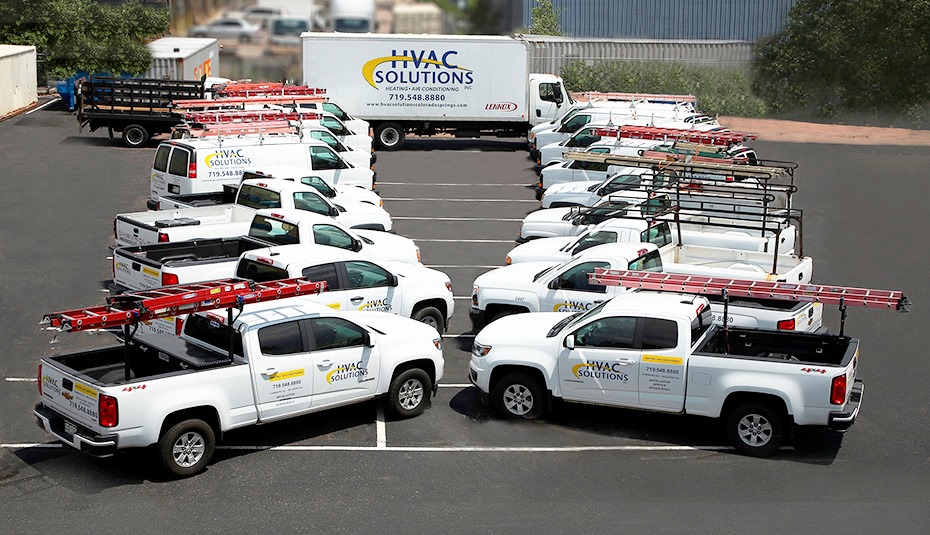
This is why experienced teams like HVAC Solutions focus heavily on proper system matching. Not just “what works,” but what works for your building. They handle sales, installation, repair, and maintenance, so they see the full lifecycle, not just the install day.
And trust me, a bad install ruins even the best system.
Energy Efficiency: Where Mini Splits Usually Win
Let’s be honest — energy bills are a big deal now.
Central systems can be efficient, especially newer models. But duct losses? That’s real. You can lose a decent chunk of energy just moving air around.
Mini splits don’t have that issue.
They’re usually more efficient because:
-
No duct loss
-
Zoned cooling
-
Inverter technology (runs smarter, not harder)
If you’re someone who only uses certain rooms regularly, mini splits make a lot of sense. Why cool the whole house when you’re just in the living room?
Still, for full-home consistency, central air holds its ground.
Maintenance and Repairs (The Stuff Nobody Wants to Deal With)
Every system needs maintenance. No way around it.
Central air:
-
Duct cleaning (sometimes overlooked, big mistake)
-
Filter changes
-
Annual inspections
Mini splits:
-
Cleaning indoor units
-
Checking multiple components
-
Slightly more hands-on if you have several units
Neither is “maintenance-free.” Anyone who says that… yeah, don’t trust it.
Companies like HVAC Solutions offer ongoing maintenance plans, which honestly, most property owners should consider. Preventing breakdowns is always cheaper than fixing them mid-summer.
Cost: Upfront vs Long-Term
Here’s where it gets messy.
Central air:
-
Lower upfront cost (if ducts exist)
-
Higher energy loss over time
Mini splits:
-
Higher upfront (especially multiple zones)
-
Lower operating costs
So what’s better?
Depends how long you’re staying in the property. Homeowners planning to stay long-term often lean toward efficiency. Investors sometimes go for lower upfront cost.
Builders and contractors? They usually choose based on project design and budget constraints. Not preference.
So… Which One Should You Choose?
There’s no universal answer. Anyone who gives you one is oversimplifying.
Go with central air if:
-
Your home already has good ductwork
-
You want a hidden system
-
You prefer one system controlling everything
Go with mini splits if:
-
No existing ducts
-
You want room-by-room control
-
You care about energy efficiency
And if you’re still unsure, talk to professionals. Not random advice online. Real evaluation matters.
This is where working with one of the best hvac companies in colorado springs actually makes a difference. They’ll look at insulation, layout, usage patterns… things you probably won’t think about.
Final Thoughts
At the end of the day, this isn’t about picking the “best” system. It’s about picking the right one for your space.
Central air is solid. Reliable. Familiar.
Mini splits are flexible. Efficient. A bit more modern.
Both work. Both can fail if installed poorly.
That’s the part people ignore.
If you’re in Colorado Springs and trying to figure this out, HVAC Solutions is one of those names that keeps coming up for a reason. They handle everything from system sales and installation to repair and long-term maintenance — which makes the whole process less of a gamble.
And yeah, choosing from the best hvac companies in colorado springs might take a little time, but it’s worth it. Because once that system goes in, you’re living with that decision for years.
So take a breath. Look at your home, not just the price tag. And choose what actually fits your life.