A commercial dumpster is an essential part of an effective waste management system for businesses, commercial properties, restaurants, retail stores, offices, and construction sites. Choosing the right container helps maintain a clean workplace, manage waste efficiently, and control disposal expenses.
Businesses can choose from several dumpster sizes and service options depending on the amount and type of waste they generate. Understanding these options makes it easier to select a practical solution that supports daily operations without unnecessary costs.
What Is a Commercial Dumpster?
A commercial dumpster is a large waste container designed to collect and temporarily store waste generated by businesses and commercial properties. Unlike standard residential trash bins, these containers typically offer greater capacity and can be serviced through scheduled waste collection.
Commercial dumpsters are commonly used for cardboard, packaging materials, food waste, office trash, and other permitted nonhazardous waste. Specialized containers may also be available for construction debris, recyclables, and other waste streams.
The right commercial dumpster helps businesses maintain cleanliness, improve waste handling, and create a more organized work environment.
Common Uses of Commercial Dumpsters
Commercial dumpsters serve businesses across many industries, including:
-
Retail stores: Collecting packaging, cardboard, and general store waste.
-
Restaurants and cafes: Managing food scraps, disposable containers, and kitchen waste.
-
Office buildings: Disposing of paper, packaging, and everyday workplace trash.
-
Warehouses: Handling shipping materials, pallets where accepted, and packaging waste.
-
Construction sites: Collecting permitted renovation debris and building materials.
-
Apartment complexes: Managing waste from tenants and shared facilities.
-
Hotels and hospitality businesses: Supporting housekeeping, kitchen, and maintenance operations.
The most suitable container depends on waste volume, available space, collection frequency, and local disposal requirements.
Types of Commercial Dumpsters
Different commercial dumpster types are designed for different waste volumes, collection methods, and operating environments. Selecting the appropriate container helps businesses avoid overflowing waste, unnecessary collections, and inefficient use of space.
Front-Load Commercial Dumpsters
Front-load dumpsters are widely used for routine business waste collection. They are generally emptied by specialized trucks that lift the container from the front and transfer its contents into the vehicle.
These containers are suitable for businesses that generate waste consistently throughout the week.
Common applications include:
-
Restaurants and grocery stores
-
Shopping centers and retail outlets
-
Office buildings and medical facilities
-
Apartment complexes and hotels
Front-load dumpsters are available in several capacities, making them suitable for both small businesses and larger commercial properties.
Roll-Off Commercial Dumpsters
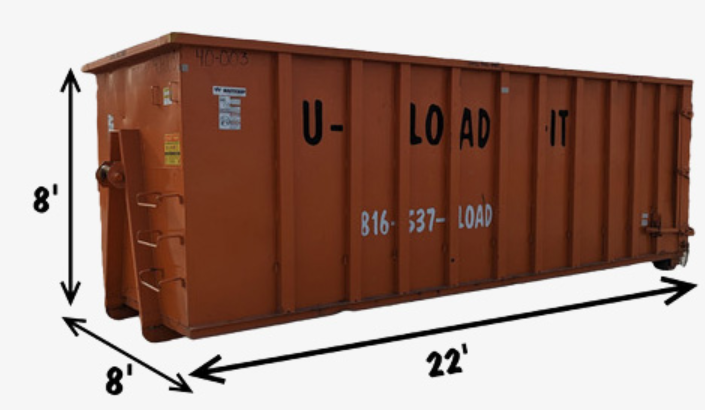
Roll-off dumpsters are larger containers delivered and removed using specialized trucks. They are commonly used for temporary projects that generate substantial amounts of debris.
Typical applications include construction, remodeling, commercial cleanouts, demolition, and property renovations.
Roll-off dumpsters are particularly useful when waste production increases temporarily or when bulky materials need to be removed from a site.
Commercial Dumpsters With Compactors
Compactor systems compress waste to reduce its volume. They can be useful for businesses that produce substantial quantities of cardboard, packaging, or other suitable materials.
Compactors are commonly considered by supermarkets, distribution centers, hotels, and large commercial facilities.
Although these systems may require higher initial or ongoing expenses, they can reduce the frequency of collections when waste volume and site conditions justify the investment.
Commercial Dumpster Sizes and Dimensions
Commercial dumpster sizes are generally measured in cubic yards. The required capacity depends on the type of waste, the volume produced, available space, and the frequency of collection.
The following table provides general capacity guidance. Actual dimensions vary by manufacturer and container design.
| Dumpster size | Approximate capacity | Typical applications |
|---|---|---|
| 2-yard | 54 cubic feet | Small offices and low-volume businesses |
| 4-yard | 108 cubic feet | Small restaurants and retail shops |
| 6-yard | 162 cubic feet | Medium-sized commercial properties |
| 8-yard | 216 cubic feet | High-volume businesses and larger facilities |
| 10-yard roll-off | 270 cubic feet | Small renovations and cleanouts |
| 20-yard roll-off | 540 cubic feet | Commercial remodeling and construction |
| 30-yard roll-off | 810 cubic feet | Large renovations and substantial debris |
| 40-yard roll-off | 1,080 cubic feet | Large projects with high waste volumes |
Capacity figures are mathematical conversions from cubic yards to cubic feet, not estimates of allowable waste weight. Weight limits and actual usable capacity depend on the container and service agreement.
How to Choose the Right Dumpster Size
Choosing a commercial dumpster requires more than estimating how much trash a business produces. The type of material and the available collection schedule also influence the decision.
Businesses should consider:
-
Daily waste volume: Estimate the amount of waste generated during normal operations and peak periods.
-
Waste material: Dense construction debris may reach weight limits before a container is full.
-
Collection frequency: More frequent pickups may allow a smaller container to meet operational needs.
-
Available space: Measure the proposed location and confirm sufficient room for truck access.
-
Future growth: Consider seasonal demand, business expansion, and temporary increases in waste production.
For example, a small office producing mostly paper and packaging may need a relatively compact container. A busy restaurant may require greater capacity or more frequent collection because of its daily waste output.
Commercial Dumpster Rental Costs
Commercial dumpster rental costs vary according to container size, location, waste type, collection frequency, rental duration, and disposal fees. There is no single price that applies to every business.
Routine front-load services are often priced through recurring service agreements, while roll-off rentals may involve delivery, rental duration, transportation, and disposal charges.
Factors That Affect Commercial Dumpster Pricing
Several factors influence the total cost of a commercial dumpster service.
-
Container size: Larger containers generally cost more to rent or service.
-
Pickup frequency: Daily or multiple weekly collections typically cost more than less frequent service.
-
Waste type and weight: Heavy or specialized materials may require additional charges or separate handling.
-
Rental duration: Temporary projects may incur daily, weekly, or monthly rental fees.
-
Delivery and removal: Some providers charge separately for transporting containers.
-
Overage fees: Exceeding weight limits or requiring additional collections can increase the final bill.
-
Location: Local disposal rates, transport distances, and municipal requirements can affect pricing.
How to Compare Rental Quotes
When comparing commercial dumpster services, businesses should evaluate the complete agreement rather than focusing only on the advertised monthly rate.
| Pricing item | What to check |
|---|---|
| Base rental or service fee | The recurring or initial charge |
| Pickup schedule | Number of included collections |
| Disposal allowance | Included weight or volume, if applicable |
| Additional pickups | Charges for service outside the agreed schedule |
| Delivery and removal | Whether transportation fees apply |
| Contract terms | Minimum term, renewal, and cancellation conditions |
A transparent quote makes it easier to calculate the total cost of waste collection and avoid unexpected charges.
Businesses should request written pricing details and confirm which materials the provider accepts before signing an agreement.
How to Choose a Commercial Dumpster Rental Service
Selecting a commercial dumpster rental service involves evaluating reliability, container availability, pricing transparency, and the provider’s ability to handle the business’s waste requirements.
Evaluate the Provider’s Services
Before choosing a provider, businesses should confirm the following:
-
Reliable collection: The provider offers a schedule that matches the business’s waste output.
-
Suitable containers: Available sizes and designs accommodate the site’s waste materials.
-
Transparent pricing: The quote identifies rental charges, disposal fees, and additional service costs.
-
Flexible service: The provider can adjust collection frequency as business needs change.
-
Responsible disposal: Waste is transported to appropriate facilities, with recycling options available where practical.
A provider’s ability to maintain consistent service is particularly important for businesses that generate food waste or operate in high-traffic commercial environments.
Prepare the Dumpster Placement Area
Proper placement improves safety and makes waste collection more efficient. The container should be located on a suitable, stable surface with enough clearance for loading and collection vehicles.
Businesses should also consider access for employees, customers, delivery vehicles, and emergency services.
For enclosed dumpster areas, the dimensions of the container, gate openings, and truck maneuvering space should be confirmed before installation.
Commercial Dumpster Waste Management Best Practices
An effective waste management plan helps businesses reduce clutter, improve workplace cleanliness, and manage disposal expenses.
Separate Recyclable Materials
Cardboard, paper, metal, and certain plastics may be recyclable depending on local facilities and collection arrangements.
Separating these materials from general waste can reduce the amount sent for disposal and improve recycling efficiency.
Construction businesses can also investigate separate collection for clean concrete, wood, and metal where suitable recycling facilities are available.
Prevent Overflow and Odors
Overfilled dumpsters can create cleanliness problems, attract pests, and interfere with collection.
Businesses can minimize these issues by:
-
Matching container capacity to actual waste production.
-
Scheduling collections before the container becomes full.
-
Keeping lids closed when the container is not in use.
-
Placing food waste in appropriate, securely closed bags or containers.
-
Cleaning the surrounding area regularly.
-
Avoiding waste accumulation outside the designated container.
Follow Waste Disposal Requirements
Not every material belongs in a standard commercial dumpster. Chemicals, solvents, batteries, certain electronic waste, and other potentially hazardous materials may require specialized handling.
Businesses should verify accepted materials with their waste provider and follow applicable local regulations. Hazardous waste requirements can vary by material and jurisdiction.
Proper waste separation protects workers, supports responsible disposal, and helps businesses avoid preventable service problems.
Frequently Asked Questions About Commercial Dumpsters
What size commercial dumpster does a business need?
The appropriate size depends on the volume and type of waste generated between collections. Small offices may need a 2-yard container, while larger restaurants, warehouses, and commercial properties may require 4-, 6-, or 8-yard containers. Construction projects often benefit from larger roll-off dumpsters.
How much does a commercial dumpster rental cost?
Costs depend on the container size, service frequency, location, waste type, and rental duration. Recurring collection and temporary roll-off rentals have different pricing structures. Businesses should obtain a customized quote to determine the total expense.
How often should a commercial dumpster be emptied?
Pickup frequency depends on how quickly the container fills. Some businesses require multiple collections each week, while others need only weekly service. Restaurants and grocery stores may require more frequent collection because of food waste and higher daily waste volumes.
What is the difference between a commercial dumpster and a roll-off dumpster?
A commercial front-load dumpster is generally used for ongoing waste collection, with a truck emptying the container on a regular schedule. A roll-off dumpster is typically delivered for temporary projects and removed when the job is finished or the container needs exchanging.
Can commercial dumpsters be used for construction waste?
Yes, roll-off dumpsters are commonly used for permitted construction and renovation debris. However, acceptance depends on the material, container weight limits, and disposal facility requirements. Hazardous materials and certain heavy debris may require specialized arrangements.
How can businesses reduce commercial dumpster expenses?
Businesses can track waste production, select an appropriate container size, optimize pickup frequency, separate recyclable materials, and compare written service agreements. Reviewing actual usage periodically helps prevent paying for unnecessary capacity or collections.
Conclusion
A commercial dumpster is an important component of an efficient business waste management system. Selecting the right container, arranging an appropriate collection schedule, and understanding rental costs can help businesses maintain cleaner properties and manage operational expenses.
The best commercial dumpster solution is one that matches the business’s waste volume, material requirements, available space, and budget. By comparing service options and monitoring waste production, businesses can make informed decisions that support reliable daily operations and responsible disposal practices.