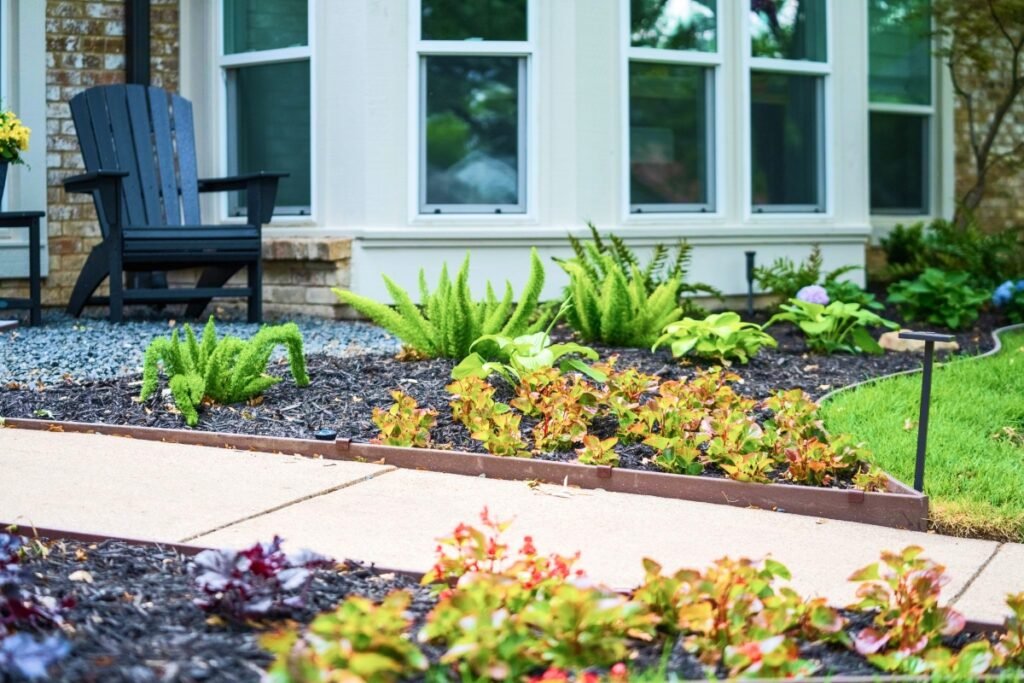
A commercial property is more than its building, parking lot, and interior space. The outdoor environment also plays an important role in how people experience the property. A clean entrance, healthy trees, attractive planting beds, and well maintained walkways can make a business feel organized and welcoming.
For businesses in Dallas, landscape design needs to balance appearance with practical concerns. Hot weather, strong sunlight, changing rainfall, soil conditions, irrigation, pedestrian traffic, and ongoing maintenance can all affect an outdoor space.
A well planned landscape can help property owners create an environment that looks professional and remains useful for years. This is why working with an experienced commercial landscape design contractor in Dallas can be valuable when planning a new landscape or improving an existing property.
What Is Commercial Landscape Design?
Commercial landscape design is the process of planning outdoor areas around business and commercial properties. It can include trees, shrubs, flowers, turf, planting beds, walkways, outdoor seating areas, irrigation systems, lighting, and other landscape elements.
The purpose is not simply to make a property look attractive. The landscape should also work with the way the property is used.
An office building may need an inviting entrance and comfortable green spaces. A retail center may need clear routes between parking areas and storefronts. A medical facility may benefit from a calm and accessible outdoor environment. An apartment community may require attractive shared areas that can handle frequent use.
Each property has different needs, so the design should be based on the site and its users.
Why Landscape Planning Matters in Dallas
Dallas has environmental conditions that can affect commercial landscapes. Extended periods of heat can place stress on plants and turf, while rainfall patterns can create drainage concerns in some areas.
Sunlight also varies across a property. A planting bed beside a building may receive shade for part of the day, while another area may receive direct sunlight for many hours.
A landscape design that considers these conditions from the beginning can help property owners make more practical choices. Instead of selecting plants based only on appearance, the design can consider where each plant is most likely to perform well.
This approach can also make irrigation and maintenance easier to manage.
Start With a Detailed Site Assessment
Before installing plants or landscape features, the property should be evaluated carefully.
Study Sunlight and Shade
Different plants have different sunlight needs. Some perform well in full sun, while others are better suited to shaded areas.
Observing sunlight patterns can help determine which plants belong in specific parts of the property. It can also help reduce the risk of placing plants in locations where they may struggle.
Evaluate Soil Conditions
Soil affects how plants establish and grow. Compacted or unsuitable soil may make it difficult for roots to develop properly.
Understanding soil conditions before installation allows the landscape plan to account for potential issues.
Examine Drainage
Water movement is another important consideration. Areas where water regularly collects may need attention before planting begins.
Poor drainage can affect plants, turf, walkways, and other outdoor features. Addressing these concerns during the design stage can help create a more reliable landscape.
Consider Traffic Patterns
Commercial properties can have a lot of daily movement. Customers, employees, tenants, delivery drivers, and maintenance crews may all use different areas.
Landscape features should be planned around these patterns. Walkways should remain clear, entrances should be easy to identify, and plants should not block important views.
Select Plants That Match the Property
Plant selection should be based on the actual conditions of the property. Appearance is important, but it should not be the only consideration.
A landscaping company in Dallas TX can help property owners evaluate plants according to sunlight, water needs, soil conditions, mature size, available space, and maintenance requirements.
Consider Mature Plant Size
A small tree or shrub can eventually become much larger. If it is planted too close to a building, sidewalk, sign, or parking area, it may create problems as it grows.
Planning for mature size can reduce excessive pruning and help the landscape maintain its intended appearance.
Create a Balanced Design
Commercial landscapes often look better when plant selections work together.
A combination of trees, shrubs, ground cover, flowers, and turf can provide visual interest. Repeating certain plants in different areas can also create a consistent appearance throughout the property.
There is no need to use a large number of plant varieties. A carefully planned selection can create an attractive landscape without making it look crowded.
Plan Irrigation Carefully
Watering should be part of the landscape plan from the beginning.
Different parts of a commercial property may have different water requirements. Turf, shrubs, trees, and seasonal plants may need different watering schedules depending on their location.
A properly planned irrigation system can help provide water to the appropriate areas. Regular inspections are also important because leaks, damaged sprinkler heads, blocked components, and uneven coverage can affect plant health.
As plants mature, their water requirements may change. Irrigation should therefore be reviewed and adjusted when necessary.
Design With Maintenance in Mind
A commercial landscape requires regular care after installation. Maintenance needs should be considered during the design process.
Keep Maintenance Practical
Property owners should consider how much maintenance they can realistically support.
A highly complex landscape may require frequent pruning, seasonal planting, and additional attention. A simpler design may be easier to manage while still creating a professional appearance.
The right approach depends on the property’s size, goals, budget, and maintenance schedule.
Give Plants Room to Grow
Proper spacing allows plants to develop without overcrowding. It also gives maintenance crews easier access to planting beds.
Trees and shrubs should be placed with nearby buildings, signs, walkways, parking areas, and utility features in mind.
Create an Attractive Main Entrance
The main entrance is one of the most visible areas of a commercial property. It deserves careful planning because it often creates the first impression for visitors.
Healthy trees, shrubs, flowers, planting beds, and clean pathways can make an entrance feel more welcoming.
Keep Important Features Visible
Landscaping should not hide signs, doors, lighting, or directional information.
Plants should be selected according to their mature size, and regular trimming should be included when necessary.
The entrance should be attractive while remaining easy to navigate.
Consider Safety and Accessibility
A commercial landscape should support safe and comfortable movement around the property.
Walkways need adequate clearance, and plants should not create unnecessary obstacles. Trees should also be maintained so branches do not interfere with pedestrian areas or vehicles.
Drainage should be considered as well. Standing water can affect turf and plants and may create inconvenient conditions near walkways.
Landscape lighting can also improve visibility around entrances and paths when it is properly planned and maintained.
How to Choose the Right Landscape Contractor
Choosing a contractor is an important part of the project. Property owners should consider experience, communication, planning, and ongoing support instead of focusing only on price.
Before selecting a contractor, consider:
- Experience with commercial properties, knowledge of local plants, landscape design, irrigation, installation, maintenance, and project coordination
- A written proposal that explains the scope of work, materials, expected schedule, maintenance requirements, pricing, and how unexpected site conditions or project changes will be handled
Property owners may also want to review examples of previous commercial work and ask how the landscape will be maintained after installation.
Clear communication can help ensure that expectations are understood before work begins.
Why Ongoing Maintenance Is Important
Landscape installation is only the beginning. Regular maintenance helps preserve the appearance and health of the property.
Maintenance may include mowing, trimming, pruning, irrigation inspections, weed management, seasonal planting, leaf removal, and general cleanup.
Regular inspections can also help identify problems early. A leaking irrigation component or unhealthy plant may be easier to address before the issue becomes more serious.
Consistent maintenance helps protect the landscape investment and keep the property looking organized.
When Should a Commercial Landscape Be Redesigned?
Commercial landscapes change over time. Trees and shrubs grow, irrigation systems age, and businesses may change how outdoor spaces are used.
A property may benefit from landscape updates when turf continues to decline, planting beds look outdated, trees have outgrown their locations, irrigation coverage is inconsistent, or drainage concerns continue.
A complete redesign is not always required. Some properties may only need refreshed planting beds, replacement plants, improved irrigation, or changes around the main entrance.
A site assessment can help determine which improvements are most appropriate.
Plan for Long Term Results
The best landscape designs consider the future as well as the present.
Trees and shrubs will mature, maintenance requirements may change, and the property may eventually undergo renovations or changes in use.
Planning for future growth can reduce unnecessary replacements and make ongoing care easier.
Property owners should also understand the expected maintenance requirements before approving a landscape design. This helps ensure the finished outdoor space matches the property’s available resources.
Conclusion
Commercial landscape design is about creating outdoor spaces that look attractive while supporting the practical needs of a business. In Dallas, effective planning should consider weather, sunlight, soil, drainage, irrigation, plant growth, traffic, safety, accessibility, and ongoing maintenance.
Working with an experienced commercial landscape design contractor in Dallas can help property owners make informed decisions throughout the design and installation process. A thoughtful plan can improve curb appeal, organize outdoor areas, and create a more welcoming environment for customers, employees, tenants, and visitors.
A dependable landscaping company in Dallas TX can also help businesses create landscape solutions based on their property’s specific conditions and long term needs.
For businesses and property managers seeking professional landscape design, installation, and maintenance services, Prestige Landscape can provide practical outdoor solutions tailored to each property’s layout, appearance goals, maintenance requirements, and future plans.