commercial security system
Modern-day businesses face multiple challenges, and security concerns are one of them. No matter what your business size is and how far-fetched your security guards are placed, you need to have a commercial security system to ensure the safety and serenity of your business as well as your employees.
But before investing in one, many business owners ask the same question: How much does it cost to install a commercial security system?
The answer depends on several factors, including the size of the property, the number of cameras, equipment requirements, installation complexity, and the features included in the system. Understanding these factors can make it easier to plan a realistic security budget.
What Determines the Cost of a Commercial Security System?
One of the most important questions that needs to be answered before you look at various factors of security installation is how much the commercial security system will cost. There is no clear answer. You need to understand that there is no one-size-fits-all formula.
A basic system for a small office may require only a few cameras, while a warehouse or multi-floor building could need dozens of cameras and additional security equipment.
Here are some of the main factors that can affect the overall cost.
Number of Cameras
The number of cameras is one of the most obvious cost factors. A small business may only need cameras at entrances, exits, and other key areas. Larger properties may require coverage throughout hallways, parking areas, storage spaces, loading zones, and employee-access areas.
More cameras generally mean higher equipment and installation costs. However, the goal should not simply be to install as many cameras as possible. Strategic placement can provide useful coverage without creating unnecessary expenses.
Camera Type and Features
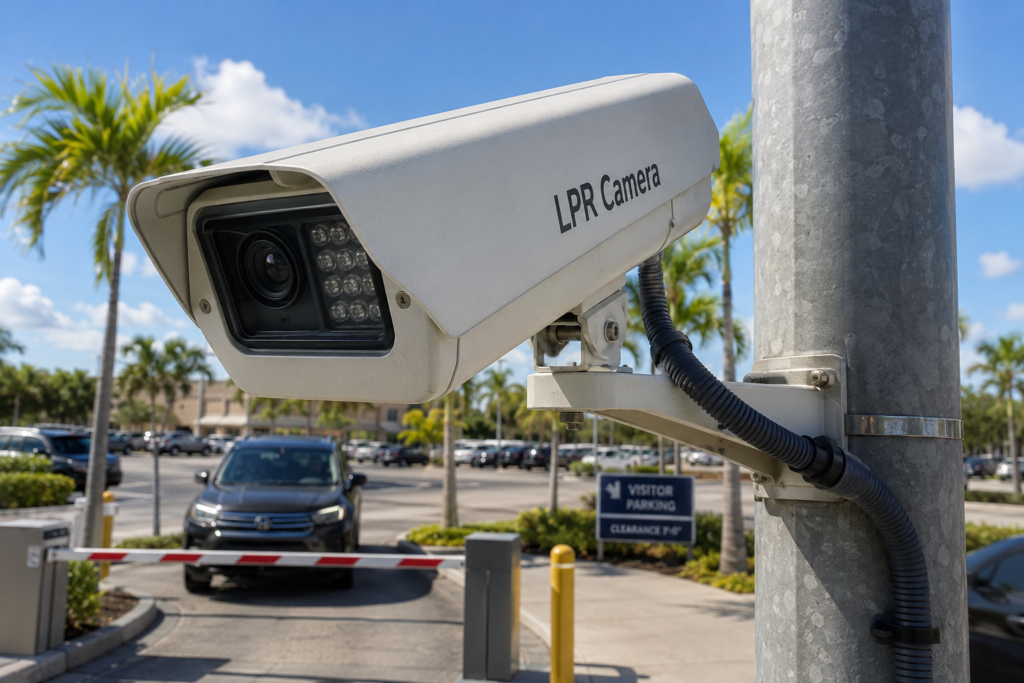
Commercial security cameras are available with different capabilities. Standard cameras may provide basic video monitoring, while advanced models can include features such as high-resolution recording, night vision, motion detection, wide-angle viewing, and remote access.
Specialized cameras may also be appropriate for challenging environments. For example, outdoor areas may require weather-resistant equipment, while low-light locations may benefit from cameras designed for nighttime monitoring.
Choosing features based on the property’s actual security needs can help businesses avoid paying for technology they may not use.
Installation Complexity Matters
Equipment is only part of the overall expense. The complexity of the installation can also have a significant effect on the final cost.
A straightforward installation in an accessible office may take less time than installing cameras throughout a large warehouse with high ceilings. Older buildings can also present challenges if wiring needs to be routed through walls, ceilings, or other difficult areas.
The distance between cameras and recording equipment, the availability of power sources, and the building’s layout can all influence labor requirements.
For this reason, businesses considering commercial security camera installation should evaluate the property itself rather than relying solely on equipment prices.
Wired vs. Wireless Security Systems
Another factor to consider is whether the system uses wired or wireless cameras.
Wired systems can provide a stable connection and may be suitable for businesses that want a permanent surveillance setup. However, installation can involve more planning and physical cabling.
Wireless systems can offer greater flexibility in certain locations and may simplify installation. However, they still require careful planning for network connectivity, power, and system reliability.
Neither option is automatically right for every business. The property’s layout, infrastructure, security requirements, and plans should all be considered before deciding.
Recording and Storage Costs?
A commercial security system does more than captures live video. Businesses also need to consider how footage will be stored and accessed.
Some systems use local recording devices, while others rely on cloud-based storage. Local storage can involve the purchase of recording hardware and sufficient storage capacity. Cloud systems may involve ongoing subscription costs depending on the provider and storage plan.
The amount of footage a business needs to retain also matters. A company that wants to keep recordings for several weeks or months may require considerably more storage than one with a shorter retention period.
When calculating the total cost, businesses should consider both the initial investment and any recurring expenses.
Can You Reduce Commercial Security Costs?
A lower price does not always mean a better security system. Cutting important components to reduce the initial bill can leave blind spots or create additional expenses later.
Instead, businesses can control costs by identifying their most important security concerns first. Consider which entrances, high-value areas, exterior spaces, and access points require monitoring.
It can also help to plan for future expansion. A system that can accommodate additional cameras or upgraded equipment may be more practical than replacing the entire setup later.
Working with a qualified CCTV camera Installation Company can also help businesses assess their property and determine what equipment and coverage are appropriate for their needs.
Is Commercial Security Camera Installation Worth the Investment?
The value of a security system extends beyond the cameras themselves. Video surveillance can give businesses a way to monitor activity, review recorded events, and maintain greater visibility across their property.
Modern systems can also provide remote viewing, allowing authorized users to check cameras from connected devices. Depending on the system, alerts and other monitoring features may further improve visibility.
However, businesses should focus on selecting a system that matches their actual requirements rather than choosing the most expensive technology available.
Plan the System Around Your Business
The cost of commercial security camera installation ultimately depends on the unique characteristics of the property and the type of protection required. Camera quantity, equipment features, installation complexity, wiring, recording options, and ongoing storage can all influence the final investment.
Before requesting an installation, create a list of the areas you want to monitor and the problems the system should address. This can make it easier to compare options and identify where advanced features are genuinely useful.
A well-planned commercial security system should provide practical coverage while fitting the business’s budget and long-term needs. By looking beyond the initial equipment price and considering installation and ongoing costs, business owners can make a more informed decision about their security investment.