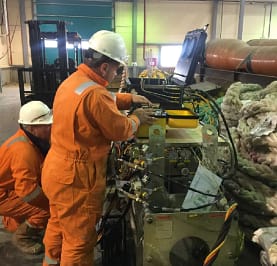
Have you ever wondered what happens behind the scenes when scuba equipment needs inspection, servicing, or troubleshooting? While divers and instructors are often the most visible professionals in the diving industry, skilled technical specialists play an equally important role. A dive technician works with the equipment that helps divers enjoy their underwater experiences safely and reliably.
From regulators and cylinders to compressors and other scuba systems, technical knowledge is essential for proper equipment care. For people who enjoy both diving and hands-on technical work, this career path can provide an interesting opportunity to develop specialised skills.
What Does a Dive Technician Actually Do?
A dive technician is a professional who works with scuba and diving equipment, depending on their qualifications, training, and scope of work. Their responsibilities may include inspecting equipment, carrying out servicing procedures, troubleshooting problems, maintaining workshop records, and helping ensure equipment is handled according to appropriate requirements.
The specific responsibilities can vary between dive centres, equipment service facilities, and other diving businesses.
A technician may work with different types of equipment, including regulators, cylinders, valves, buoyancy equipment, compressors, and related systems.
Why Is Technical Expertise Important?
Scuba equipment needs to perform reliably in demanding conditions. Components can be exposed to salt water, moisture, pressure, temperature changes, and repeated use.
Technical expertise allows professionals to understand how equipment works and recognise signs that may require inspection or servicing. Instead of treating equipment maintenance as a routine mechanical task, a trained professional can approach each system methodically.
This knowledge can be particularly valuable in busy dive centres where equipment may be used frequently by different divers.
What Skills Should a Dive Technician Develop?
Technical careers require a combination of practical ability and theoretical knowledge.
Equipment Inspection
Learning how to inspect equipment carefully is an important technical skill. A technician should know what to look for when examining components for damage, wear, contamination, corrosion, or other concerns.
Troubleshooting
Equipment problems can have multiple causes. A technician needs to approach troubleshooting logically, identify possible causes, and determine the appropriate procedure for addressing the issue.
Attention to Detail
Scuba equipment often contains precision components. Small errors during servicing or assembly can affect performance, so careful workmanship is essential.
Documentation
Maintenance records and service documentation can help businesses track equipment history and identify when equipment requires attention.
Could Training Improve Career Opportunities?
Formal technical training can provide a structured way to develop equipment knowledge. Instead of learning only through trial and error, students can gain an understanding of equipment systems, servicing principles, inspection practices, and workshop procedures.
Practical training is particularly valuable because technical work involves tools, components, measurements, and testing procedures.
Anyone considering this career should also understand that different types of diving equipment may require specific manufacturer training, qualifications, or authorised servicing procedures.
Where Can a Dive Technician Work?
A trained technician may find opportunities in several areas of the diving industry.
Dive centres may require technical personnel to support rental equipment maintenance and workshop activities. Equipment service businesses may employ technicians who specialise in servicing specific products or systems.
Some professionals may also work with diving equipment distributors, manufacturers, training organisations, or commercial diving operations, depending on their qualifications and experience.
The available opportunities depend on local regulations, employer requirements, manufacturer authorisations, and the technician’s level of expertise.
Why Is Continued Learning Important?
Diving technology continues to develop, and equipment designs can change over time. A technician who wants to remain effective should continue developing their knowledge.
Learning about new regulator systems, compressor technology, inspection procedures, tools, and manufacturer requirements can help professionals stay current.
Continued professional development can also help technicians build confidence and expand the range of equipment they are qualified to work with.
Conclusion
Could becoming a dive technician be the right career move for someone who enjoys diving and technical work? It can be an appealing path for individuals interested in understanding the equipment that supports the diving industry.
The role combines practical skills, technical knowledge, attention to detail, and a strong commitment to responsible equipment care. With appropriate training, hands-on experience, and continued learning, aspiring technicians can build specialised expertise and explore a variety of opportunities within the diving sector.