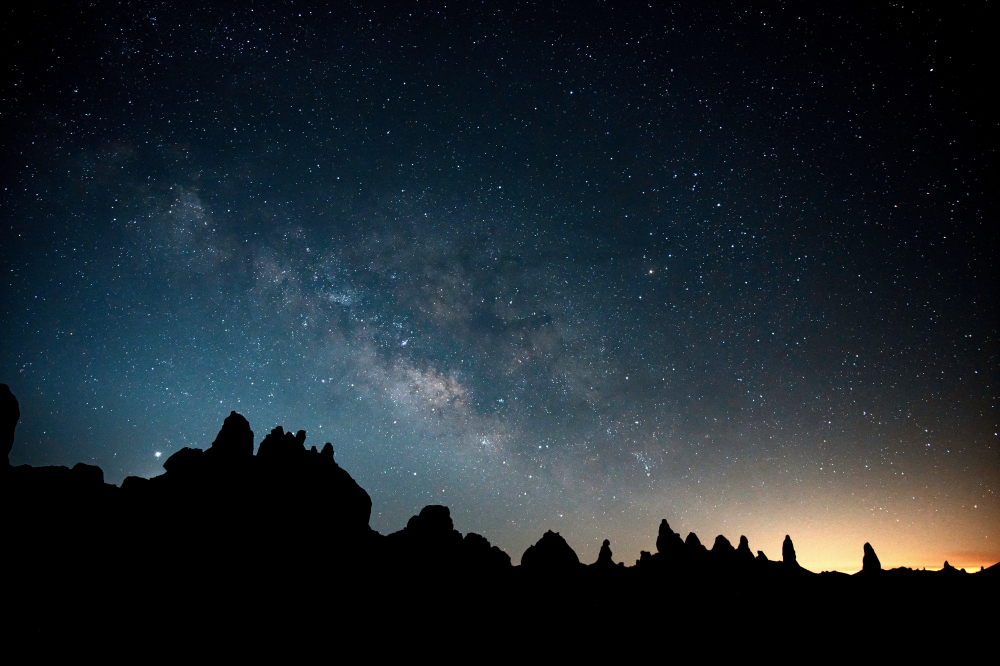
The night sky is constantly changing. Every evening brings a slightly different view as Earth rotates on its axis and travels around the Sun. The positions of the Moon, planets, stars, and constellations all depend on the date and time night sky is being observed. Because of these changes, choosing the right date and time is one of the most important parts of successful stargazing.
Whether you’re an amateur astronomer, photographer, student, or someone who simply enjoys looking at the stars, understanding how time affects the night sky can make every observation more rewarding.
Why Date and Time Matter in Astronomy
Unlike objects on Earth, celestial bodies are always moving. As Earth rotates, stars and planets appear to rise in the east and set in the west. Over weeks and months, Earth’s orbit around the Sun changes which constellations are visible during different seasons. The Moon also progresses through its phases approximately every 29.5 days, creating a different appearance each night.
This means that the date and time night sky is observed determines:
- Which planets are visible
- The Moon’s current phase
- Which constellations can be seen
- Meteor shower activity
- Overall sky brightness
Even observing just one hour earlier or later can noticeably change what is visible.
What Can You See in the Night Sky?
Depending on the season, weather conditions, and your location, the night sky may include many fascinating celestial objects.
These often include:
- The Moon
- Bright planets
- Constellations
- Star clusters
- The Milky Way
- Meteors
- Satellites
- Deep-sky objects viewed through telescopes
Some planets, such as Venus, Mars, Jupiter, and Saturn, are visible to the naked eye during favorable viewing periods, while Uranus and Neptune generally require binoculars or a telescope.
Factors That Affect Night Sky Visibility
Several conditions influence what you can observe on any given night.
Weather Conditions
Cloud cover is one of the biggest obstacles to stargazing. Clear skies provide the best viewing experience.
Moon Phase
A bright Full Moon can wash out faint stars and the Milky Way. Many astronomers prefer observing deep-sky objects during the New Moon or Crescent Moon phases.
Light Pollution
Artificial lighting from cities significantly reduces the number of stars that can be seen. Traveling to darker locations greatly improves visibility. Research shows that artificial skyglow affects much of the world’s population and limits naked-eye observations.
Observation Time
Different celestial objects appear at different times throughout the night. Some planets are best viewed just after sunset, while others rise later during the night or before sunrise.
Explore the Night Sky with WorldTimeAI
If you want an easier way to explore the date and time night sky, WorldTimeAI provides a simple platform for viewing astronomy information and planning your observations.
The Night Sky tool includes features such as:
- Interactive night sky maps
- Planet visibility information
- Moon phase tracking
- Time-based sky viewing
- World clock utilities
- Time zone comparison tools
You can explore the Night Sky tool here:
https://worldtimeai.com/night.html
Instead of manually searching multiple astronomy resources, WorldTimeAI brings useful night sky information together in one convenient place.
Tips for Better Stargazing
To enjoy a better night sky experience, consider these simple recommendations:
- Choose a location away from city lights.
- Check weather forecasts before heading outside.
- Allow your eyes 20–30 minutes to adjust to the darkness.
- Use binoculars to see additional celestial objects.
- Plan observations according to the Moon’s phase.
- Observe during the recommended time for specific planets or events.
Small changes in planning can greatly improve what you see.
Who Can Benefit from Night Sky Tools?
Night sky resources are valuable for many different users, including:
- Amateur astronomers
- Students and teachers
- Astrophotographers
- Travelers
- Science enthusiasts
- Families interested in astronomy
- Outdoor adventurers
Whether you’re learning about space or simply relaxing under the stars, accurate sky information makes the experience more enjoyable.
Conclusion
Understanding the date and time night sky is essential for successful stargazing. The positions of the Moon, planets, and stars change continuously, making timing an important part of every observation. By considering weather, moon phases, light pollution, and seasonal changes, you can enjoy clearer and more rewarding views of the night sky.
WorldTimeAI provides an easy way to explore the night sky, track celestial events, and access useful astronomy and time-management tools. Whether you’re a beginner or an experienced observer, it helps make every night under the stars more informative and enjoyable.