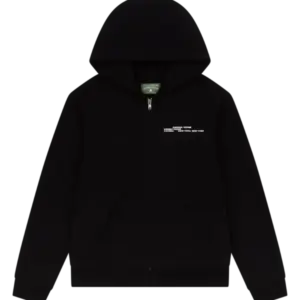
Few names in modern streetwear carry the cultural weight of Denim Tears. Founded by designer Tremaine Emory, the label has become known for turning garments into narrative devices — pieces that speak to Black history, ancestry, and American identity as much as they speak to fashion. Among its most recognizable products, the Denim Tears hoodie has emerged as a staple for collectors and everyday wearers alike, blending heavyweight construction with the brand’s signature cotton wreath motif. This guide walks through everything you need to know before adding one to your rotation: the brand’s story, what makes Denim Tears the hoodies distinct, how to style them, sizing advice, care tips, and how to shop for them safely in the US market.
The Story Behind Denim Tears
Denim Tears launched in 2019, but its roots go back further, to Emory’s work styling and consulting for major fashion houses and his deep involvement in New York’s creative scene. The brand’s founding concept was rooted in commemoration — specifically, marking the 400th anniversary of the first enslaved Africans arriving in Virginia. That historical weight shows up literally in the clothing: the cotton wreath print, one of the label’s most iconic symbols, was designed to reference the cotton plant’s dual identity as both a commodity tied to slavery and a modern-day fashion material. Wearing a Denim Tears piece isn’t just a style choice; it’s an engagement with a story the brand insists on telling through fabric.
This storytelling approach is part of why Denim Tears pieces, hoodies included, resonate so strongly. Streetwear at large draws from music, skate culture, and youth rebellion, but Denim Tears carved out a lane centered on historical memory and collective identity, making its drops feel less like product releases and more like statements.
What Makes the Denim Tears Hoodie Different
A lot of streetwear hoodies lean on logos or trend-driven graphics that fade in relevance within a season or two. Denim Tears hoodies are built differently, both physically and conceptually.
Construction and fabric. Most releases use heavyweight cotton fleece, often in the 400-500 GSM range, giving the hoodie structure and warmth without feeling stiff. The fabric is typically brushed on the inside for softness, and the seams are reinforced to handle the weight of oversized screen prints without cracking or peeling prematurely.
Signature graphics. The cotton wreath print is the brand’s calling card, but Denim Tears has also released hoodies featuring text-based graphics, collegiate-inspired lettering, and collaborative artwork from partnerships with brands like Levi’s, Converse, Nike, and New Balance. Each graphic tends to carry symbolic weight rather than existing purely for decoration.
Fit. The house silhouette runs oversized and boxy, with dropped shoulders and a longer body length than a standard hoodie. This fit is intentional — it’s meant to be layered and to hang loosely rather than hug the frame, which is part of what gives Denim Tears pieces their distinct silhouette on the street.
Limited releases. Denim Tears operates largely on a drop model, meaning specific hoodie designs may only be available for a short release window. This scarcity has helped fuel a strong resale market, with certain colorways or collaborative pieces trading well above retail.
How to Style a Denim Tears Hoodie
One of the appeals of the Denim Tears hoodie is its versatility. Because the graphics do most of the visual work, the rest of an outfit can stay relatively simple.
- Casual streetwear base. Pair the hoodie with wide-leg or straight denim jeans and a clean pair of sneakers — low-top New Balances, Nike Cortez, or Air Force 1s all work well. Let the hoodie’s graphic be the focal point and avoid competing prints elsewhere in the fit.
- Layered look. Because of the oversized fit, a Denim Tears hoodie layers naturally under a denim jacket, a wool overcoat, or a bomber. Leaving a few inches of hoodie visible at the hem and cuffs creates a clean layered silhouette that’s popular in colder-weather streetwear styling.
- Elevated streetwear. Some wearers dress the hoodie up slightly by pairing it with tailored trousers and boots, contrasting the casual top with a more structured bottom half. This “high-low” mixing is a common technique in contemporary streetwear styling and works especially well with the brand’s more subdued colorways.
- Accessories. Beanies, chain jewelry, and structured caps complement the hoodie without overwhelming the graphic. Because Denim Tears pieces already carry a strong visual identity, minimal accessorizing usually looks best.
Sizing Guidance
Given the oversized house fit, most guidance from experienced buyers suggests sizing down if you prefer a more fitted silhouette, and sizing true-to-size or even up if you want the classic boxy Denim Tears look. Chest and length measurements vary somewhat by release, so checking the specific measurements listed at the point of purchase — rather than relying on general size charts — is the more reliable approach, particularly for collaborative releases that may follow a partner brand’s sizing rather than the standard Denim Tears block.
Caring for Your Hoodie
Heavyweight cotton fleece with screen-printed graphics needs a bit more care than a basic hoodie to keep the print looking sharp over time.
- Wash inside-out in cold water to protect the graphic from cracking or fading.
- Avoid high-heat drying; air-drying or a low-heat tumble dry setting preserves both the fabric structure and the print.
- Skip fabric softener, which can affect the fleece’s texture over repeated washes.
- Store folded rather than hung, since heavyweight fleece can stretch out of shape on a hanger over time.
Buying Denim Tears Hoodies in the US
Denim Tears releases through its own official channels as well as select retail partners, and pieces frequently appear on resale platforms once a drop sells out. A few practical tips for US buyers:
- Buy from official or authorized sources when possible. This is the most reliable way to guarantee authenticity and a fair price close to retail.
- Check stitching and print quality on resale listings. Genuine Denim Tears hoodies have clean, evenly saturated prints and consistent stitching; blurry graphics or uneven seams are common signs of counterfeits.
- Compare tags and labeling. Authentic pieces typically include consistent branding on the neck label and care tag; discrepancies in font or placement can be a red flag.
- Expect resale premiums on collaborations. Partnership releases, particularly with Levi’s or major sneaker brands, tend to command higher resale prices than solo Denim Tears drops, so budget accordingly if you’re chasing a specific piece.
Final Thoughts
The Denim Tears hoodie occupies a distinct place in the streetwear landscape — heavyweight, boldly graphic, and rooted in a story the brand refuses to separate from the clothing itself. Whether you’re drawn to it for the design, the history behind it, or simply the way it fits into a rotation of contemporary streetwear staples, understanding the construction, sizing quirks, and care requirements will help you get the most out of the piece. As with any release-driven brand, patience and attentiveness to official drop channels will serve US buyers best when trying to land a piece at or near retail price.