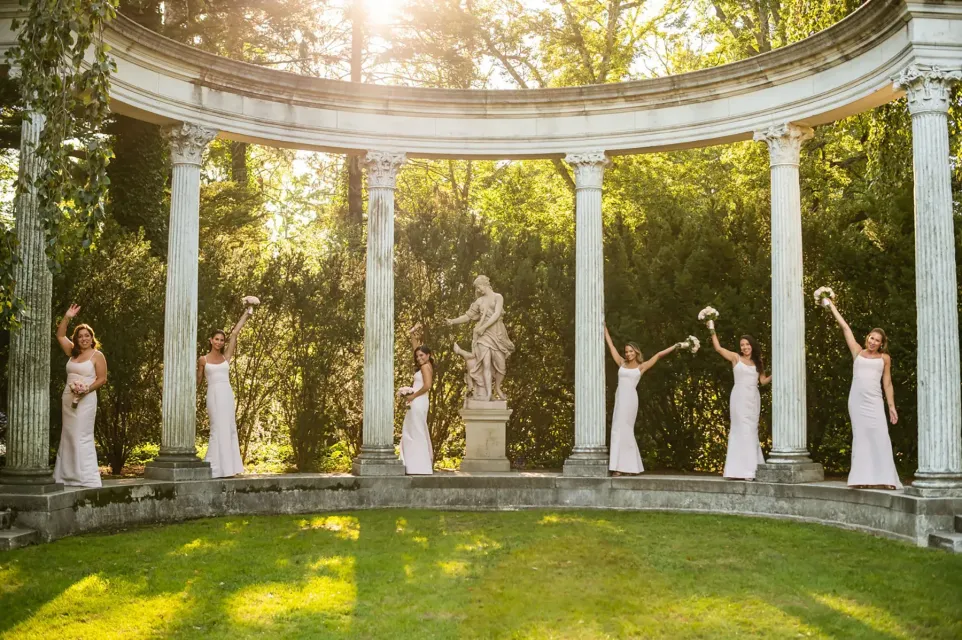
A destination wedding rarely fits into one perfect day. It often begins with a welcome dinner, moves through rituals, portraits, private family moments, and ends with a farewell brunch that feels softer and more emotional than expected. The photography should not treat these moments as separate events. It should shape them into one clear visual story.
For couples planning a celebration away from home, the right photography partnership makes the experience feel calmer, sharper, and more intentional. A skilled destination wedding photographer does more than arrive with cameras. The photographer studies the location, reads the light, understands the timeline, and knows when to guide and when to step back.
Think Beyond the Wedding Day
Many couples spend months planning the ceremony and reception, then leave the surrounding events loosely arranged. That can create missed photo opportunities. A multi-day wedding builds emotion gradually, so the photography plan should begin before the main ceremony.
A strong destination wedding photographer treats these early gatherings with care. The photos should show the destination, the mood, and the relationships that make the celebration personal. This is where candid storytelling often becomes more powerful than posed portraits.
Choose a Style That Blends Editorial and Documentary Work
Destination weddings need both polish and honesty. Editorial photography gives the album structure, beauty, and elegance. Documentary photography brings movement, emotion, and truth. The strongest wedding stories usually combine both.
Editorial portraits work well when the setting has strong architecture, coastline, gardens, city views, or dramatic interiors. These images feel refined and intentional. They give couples the timeless photographs they expect from a once-in-a-lifetime location.
Prepare for Light, Weather, and Location Changes
Destination weddings often involve shifting conditions. A beach ceremony may face harsh sun. A mountain venue may bring rapid changes in weather. A city celebration may include traffic, tight streets, and limited portrait time. These details affect the final gallery.
Professional planning reduces stress. The photography team should review venue layouts, sunset times, indoor backup spaces, travel distance between locations, and restrictions at ceremony sites. This work helps the day feel smooth even when plans change.
Couples should also prepare realistic photo priorities. Not every location needs a full portrait session. A few meaningful settings often create stronger images than a long list of rushed stops. Quality matters more than volume.
Keep Family Portraits Clear and Organized
Family portraits can become stressful at destination weddings because guests may arrive from different places and follow different schedules. Clear planning solves most issues. The couple should prepare a short family photo list before travel begins.
Assign one trusted person from each side of the family to help gather people. This person should know the relatives and understand the order of portraits. That keeps the photographer focused on composition, light, and expression instead of searching for missing guests.
The best family photos feel formal enough for parents and natural enough for the couple. Clean posing, relaxed direction, and efficient timing help everyone look comfortable. This matters even more during a multi-day wedding, where guests want to enjoy the celebration without long interruptions.
Plan Wardrobe and Details With the Camera in Mind
Destination weddings often involve heat, wind, uneven paths, and changing backdrops. Outfits should look elegant while allowing movement. Couples should think about fabric, footwear, accessories, and touch-up needs before the events begin.
Lightweight fabrics work well in warm climates. Structured outfits hold shape during formal portraits. Comfortable shoes help during location shoots. Small details like vow books, invitations, jewelry, florals, and welcome gifts also deserve a place in the story.
Ask the photography team when to prepare these items. Having details ready early saves time and keeps the morning calm. It also helps the photographer create images that feel styled without slowing down the day.
Work With a Team That Understands Full-Event Storytelling
A multi-day destination wedding requires experience, patience, and technical control. The photography team must handle changing light, packed schedules, formal portraits, candid coverage, travel logistics, and emotional pacing across several events.
Look for a partnership that offers both photography and cinematography when possible. A coordinated creative team can keep the visual style consistent across still images and motion. This helps the final story feel cohesive, from the first welcome toast to the last dance.
Final Thought
A destination wedding deserves photography that feels intentional, emotional, and complete. Multi-day celebrations give couples more than one ceremony or one reception. They create a layered story filled with travel, family, tradition, scenery, and private emotion.
With the right partnership, every event becomes part of one refined visual narrative that still feels natural years later.
For couples planning a destination wedding, start the photography conversation early. Share the schedule, locations, priorities, and mood of the celebration so the final gallery reflects the full story, not just the main day.