Maintaining hygiene, protecting hands, and reducing the risk of contamination are essential in many professional environments. Healthcare facilities, food processing businesses, cleaning companies, laboratories, beauty salons, and manufacturing operations all rely on suitable hand protection to support their daily activities. Disposable gloves are among the most widely used protective products because they offer a convenient way to create a temporary barrier between the hands and certain contaminants, substances, and materials.
Choosing the right gloves involves more than comparing prices. Material, fit, thickness, durability, chemical compatibility, and intended application all influence performance. Businesses must also consider relevant safety requirements, product documentation, and supplier reliability when purchasing gloves for regular use.
Whether you operate a medical practice, restaurant, cleaning company, or industrial facility, understanding the different types of disposable gloves can help you select products that meet your requirements.
This guide explores the main types of disposable gloves, their benefits, common applications, and the factors to consider when buying them for personal or professional use.
What Are Disposable Gloves?
Disposable gloves are single-use protective gloves designed to help protect the hands and reduce direct contact with certain substances, contaminants, and materials.
They are commonly manufactured from nitrile, natural rubber latex, vinyl, and other specialised materials. Each material has different properties, making certain gloves more suitable for particular tasks.
Disposable gloves are widely used in healthcare, food preparation, cleaning, laboratories, beauty treatments, and selected industrial applications.
They are generally intended to be replaced after a task or when they become damaged, contaminated, or unsuitable for continued use. Reusing single-use gloves can compromise hygiene and product integrity.
The level of protection provided depends on the glove’s construction, thickness, material, condition, and intended use. Not every disposable glove provides adequate protection against every chemical, biological hazard, or physical risk.
Businesses should select gloves according to their workplace risk assessments and the manufacturer’s specifications.
Types of Disposable Gloves
Understanding the available materials is an important step when choosing suitable disposable gloves.
Nitrile Disposable Gloves
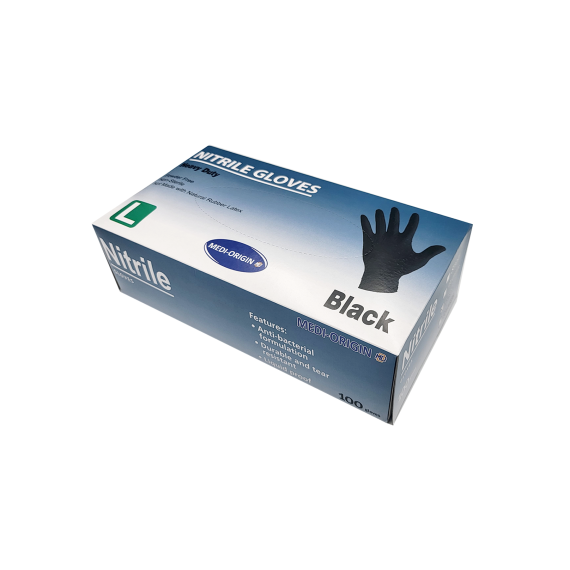
Nitrile gloves are made from synthetic rubber and are widely used in healthcare, cleaning, laboratories, food-related operations, and selected industrial environments.
One of their main advantages is that they do not contain natural rubber latex proteins, making them a common alternative for people who need to avoid latex exposure.
Nitrile gloves can provide resistance to certain oils, greases, and chemicals, depending on their formulation and thickness. However, they are not compatible with every chemical.
Businesses should consult the manufacturer’s compatibility information before selecting nitrile gloves for hazardous substances.
They are available in different sizes, thicknesses, colours, and textures to suit various applications.
Latex Disposable Gloves
Latex gloves are made from natural rubber latex and are known for their flexibility, elasticity, and close fit.
They are used in selected healthcare, dental, laboratory, and other professional applications where tactile sensitivity is important.
However, natural rubber latex proteins can cause allergic reactions in susceptible individuals. Businesses should assess allergy risks and consider appropriate latex-free alternatives where necessary.
Latex gloves should also be selected according to the task because they do not provide universal protection against chemicals or other workplace hazards.
Vinyl Disposable Gloves
Vinyl gloves are generally manufactured from polyvinyl chloride, commonly known as PVC.
They may be suitable for selected lower-risk tasks, including certain short-duration cleaning, food-related, and general handling activities.
Vinyl gloves often have different flexibility and durability characteristics compared with nitrile and latex products.
They should not be used where their protective performance is insufficient for the identified hazard.
Businesses should check product specifications and confirm suitability for the intended application.
Polyethylene Gloves
Polyethylene gloves are lightweight, loose-fitting gloves commonly used for selected food-handling and simple hygiene tasks.
They are often supplied in convenient dispenser packs and can be useful when gloves need to be changed frequently.
However, their loose fit and limited durability mean they are not appropriate for every task.
They should not be treated as equivalent to fitted medical examination gloves or specialised protective gloves.
Specialised Disposable Gloves
Some disposable gloves are designed for specific applications that require additional performance characteristics.
These may include gloves with specialised chemical resistance, extended cuffs, particular grip features, or specific medical and industrial specifications.
The appropriate product depends on the hazard, exposure conditions, and required performance.
Always review the manufacturer’s information before using specialised gloves for demanding applications.
Benefits of Using Disposable Gloves
Disposable gloves offer several advantages when they are selected and used correctly.
Support for Hygiene Procedures
Disposable gloves can help reduce direct contact with certain contaminants and materials.
They are commonly used in environments where hygiene procedures require gloves to be changed between tasks or users.
However, gloves do not eliminate every contamination risk and should not replace proper handwashing or other required hygiene measures.
Convenient Single-Use Protection
Single-use gloves can be discarded after a task according to workplace procedures.
This is useful when cleaning reusable gloves would be impractical or when the work requires frequent changes to help prevent contamination.
The disposal method should reflect the type of material handled and any applicable waste-management requirements.
Different Materials for Different Tasks
Disposable gloves are available in a variety of materials and designs.
This allows businesses to choose products according to their needs, whether they prioritise latex-free construction, flexibility, specific chemical resistance, or convenient general-purpose use.
The selected glove should always provide the performance required for the task.
Convenient Storage and Distribution
Most disposable gloves are supplied in boxes, dispenser packs, or cartons.
These formats make it easier for organisations to store products, distribute them to employees, and monitor consumption.
Bulk packaging may be particularly useful for workplaces with predictable glove requirements.
Support for Efficient Workflows
Having suitable gloves readily available can help employees follow established procedures without unnecessary interruptions.
Businesses can improve efficiency by standardising approved products, maintaining appropriate stock levels, and training staff in correct glove use.
Common Uses of Disposable Gloves
Disposable gloves are used across many industries, but each environment has different requirements.
Healthcare and Medical Facilities
Hospitals, clinics, dental practices, and other healthcare facilities may use medical examination gloves during procedures that require hand protection.
The selected gloves should meet the applicable requirements for their intended medical use.
Healthcare organisations should also consider latex allergies among patients and staff.
Gloves must be changed according to infection prevention procedures and should never replace proper hand hygiene.
Food Preparation and Hospitality
Restaurants, catering companies, food processing facilities, and commercial kitchens may use disposable gloves for selected food-handling activities.
Powder-free products may be preferable where glove powder could create contamination concerns.
Businesses should confirm that the gloves are suitable for the intended food-contact application and comply with relevant requirements.
Changing gloves between tasks is important, but gloves do not replace handwashing, correct food storage, or safe food preparation practices.
Cleaning and Janitorial Services
Cleaning professionals may use disposable gloves when handling routine cleaning products, dirt, and moisture.
The appropriate material depends on the cleaning chemicals and expected exposure.
Some cleaning agents and solvents can damage particular glove materials. For hazardous chemicals, workers should consult the safety data sheet and manufacturer compatibility information.
A standard disposable glove may not provide adequate protection for every cleaning task.
Laboratories and Research Facilities
Laboratory staff may use disposable gloves to help protect their hands when handling samples, equipment, and selected laboratory materials.
The appropriate glove depends on the substances involved and the risk assessment.
Nitrile gloves may be suitable for some laboratory applications, but they are not resistant to every chemical.
For specialised laboratory work, follow the manufacturer’s guidance and applicable workplace safety procedures.
Beauty Salons and Personal Care
Beauty professionals may use disposable gloves during selected treatments, cleaning tasks, and product handling.
The glove material should suit the products being used, including any chemicals found in dyes, cleaning agents, or treatment formulations.
For substances that can cause skin irritation or chemical injury, check product instructions and appropriate protective equipment requirements.
Manufacturing and Industrial Work
Manufacturing facilities may use disposable gloves for selected assembly, inspection, maintenance, and handling tasks.
Nitrile gloves are commonly considered for applications involving certain oils and greases, while specialised gloves may be needed for chemicals, sharp materials, or other industrial hazards.
Disposable gloves should not automatically replace durable industrial gloves or required safety equipment.
How to Choose the Right Disposable Gloves
Selecting suitable gloves requires an understanding of the work environment and the protection needed.
Identify the Intended Application
Start by identifying the task and potential hazards.
Medical examinations, food handling, cleaning, laboratory procedures, and industrial maintenance may require different glove specifications.
A workplace risk assessment should guide product selection.
Choose the Correct Material
Each material offers different properties.
Nitrile is a common latex-free option, latex provides flexibility and tactile sensitivity, vinyl may suit certain lower-risk tasks, and polyethylene is used for selected simple handling activities.
Choose the material based on the intended use rather than appearance or price alone.
Select the Appropriate Size
Common glove sizes include extra small, small, medium, large, and extra large, although availability varies.
A well-fitted glove should allow natural movement without excessive tightness or loose material.
For workplaces with multiple users, stocking different sizes can improve comfort and reduce unnecessary waste.
Review Thickness and Durability
Glove thickness can influence flexibility, comfort, and some aspects of performance.
However, thickness alone does not establish chemical resistance or suitability for medical applications.
Review the manufacturer’s specifications and select a product designed for the expected exposure.
Consider Grip and Texture
Some gloves feature textured fingertips or surfaces designed to improve grip.
These may be useful when handling small instruments, tools, or objects that require controlled movements.
The appropriate texture depends on the task and whether the gloves will be used in wet, dry, or oily conditions.
Verify Product Documentation
For medical and specialised industrial applications, review the manufacturer’s information, intended use, relevant standards, and applicable conformity documentation.
Confirm that any certification or performance claim applies to the exact product being purchased.
Disposable Gloves vs Reusable Gloves
Disposable and reusable gloves serve different purposes.
Disposable gloves are generally designed for single-use tasks where frequent replacement is required or cleaning reusable products is impractical.
Reusable gloves are often thicker and may be designed for repeated cleaning, inspection, and use in appropriate applications.
The best option depends on the workplace hazards, hygiene requirements, product durability, cleaning procedures, and total cost of use.
Reusable gloves may reduce single-use waste in suitable environments, but only when they can be cleaned and maintained effectively.
Disposable gloves may be more appropriate when workplace procedures require frequent replacement.
Neither option should be selected without considering the protection required for the task.
Benefits of Buying Disposable Gloves in Bulk
Bulk purchasing can help organisations manage regular glove requirements.
Potentially Lower Unit Costs
Suppliers may offer volume-based pricing for larger orders.
However, businesses should compare the total delivered cost, including shipping, storage, and other applicable charges.
The lowest price per box is not necessarily the best value if the gloves do not meet the required specifications.
Improved Stock Availability
Maintaining sufficient inventory helps reduce the risk of shortages.
This is especially important for healthcare providers, laboratories, cleaning companies, and food processing businesses that use gloves regularly.
Simplified Purchasing
Bulk orders can reduce the frequency of procurement and delivery tasks.
Standardising approved glove products also makes it easier to manage purchases across departments and multiple locations.
Better Inventory Planning
Businesses can estimate glove consumption using historical usage, staffing levels, and operating schedules.
A reasonable safety stock can help cover supplier delays without creating excessive inventory.
How to Calculate Your Disposable Glove Requirements
Accurate demand planning helps businesses maintain suitable stock levels.
A basic calculation is:
Required gloves = Number of users × Average gloves used per person per day × Number of operating days.
For example, a workplace with 25 employees who use an average of 12 individual gloves per day over 22 working days would require approximately 6,600 individual gloves for that period.
This is an illustrative estimate. Actual consumption depends on the tasks performed, replacement frequency, hygiene requirements, and whether gloves are used in pairs.
Review actual usage regularly and adjust future orders when staffing levels or operating conditions change.
Businesses should also consider supplier lead times and follow the manufacturer’s storage recommendations.
Proper Storage and Handling of Disposable Gloves
Correct storage helps preserve glove quality before use.
Keep gloves in their original packaging where possible and follow the manufacturer’s storage instructions.
Store them in a clean, dry location away from excessive heat, direct sunlight, moisture, and substances that could damage the material.
Check packaging and any stated expiry or shelf-life information before use.
Do not use gloves that are torn, deteriorated, contaminated, or beyond their stated shelf life.
Employees should follow appropriate hand hygiene procedures before and after glove use. Gloves should be changed when required by workplace procedures and whenever they become damaged or contaminated.
Used gloves should be discarded according to the nature of the material handled and the workplace’s waste-management requirements.
Common Mistakes to Avoid When Buying Disposable Gloves
Choosing Only by Price
Low-cost gloves may not provide the performance required for a particular task.
Compare quality, fit, intended use, and supporting documentation alongside price.
Ignoring Material Compatibility
Different glove materials react differently to chemicals and other substances.
Always check compatibility information before selecting gloves for hazardous materials.
Overlooking Latex Allergies
Natural rubber latex can cause allergic reactions in susceptible individuals.
Consider the needs of employees and customers when choosing glove materials, and provide suitable alternatives where necessary.
Ordering Excessive Stock
Bulk discounts can be attractive, but excessive inventory occupies storage space and ties up working capital.
Forecast consumption and follow the manufacturer’s storage guidance.
Assuming All Disposable Gloves Are Equivalent
Medical, food-related, industrial, and general-purpose gloves can have different specifications.
Select products according to their intended use and required protective performance.
Frequently Asked Questions About Disposable Gloves
What are disposable gloves used for?
Disposable gloves are used to help protect hands and reduce direct contact with certain contaminants and substances. Common applications include healthcare, food handling, cleaning, laboratories, beauty services, and selected industrial tasks.
What are the different types of disposable gloves?
Common types include nitrile, latex, vinyl, and polyethylene gloves. Specialised products are also available for specific medical, chemical, and industrial applications. The best option depends on the task and required protection.
Which disposable gloves are best for business use?
The best gloves depend on the application. Nitrile is a common latex-free option, latex offers flexibility and tactile sensitivity, vinyl may suit certain lower-risk tasks, and polyethylene is used for selected simple handling activities.
Are disposable gloves waterproof?
Some disposable gloves provide a barrier against liquids, but performance depends on the material, construction, condition, and exposure. They should not automatically be considered suitable for every chemical or prolonged liquid exposure.
Are disposable gloves safe for food handling?
Some disposable gloves are suitable for particular food-contact applications. Businesses should verify product documentation and follow applicable food safety requirements.
Can disposable gloves be reused?
Disposable gloves are generally intended for single use. Reuse may compromise hygiene and glove integrity. Follow the manufacturer’s instructions and applicable workplace procedures.
How should disposable gloves be stored?
Store gloves in their original packaging in a clean, dry place away from excessive heat, direct sunlight, moisture, and damaging substances. Follow the manufacturer’s instructions and check any stated shelf-life information.
How do I choose the right glove size?
Choose a size that fits securely without excessive tightness or loose material. Common sizes include extra small, small, medium, large, and extra large, depending on the product range.
Where can businesses buy disposable gloves in bulk?
Businesses can purchase disposable gloves from medical supply distributors, industrial safety suppliers, healthcare wholesalers, hospitality suppliers, and manufacturers. Compare product specifications, documentation, delivery terms, and total purchasing costs before ordering.
How can businesses reduce disposable glove costs?
Businesses can compare equivalent products, forecast demand, purchase suitable quantities, standardise approved gloves, and monitor unnecessary waste. Cost savings should never involve using gloves that fail to provide the protection required for the task.
Conclusion
Disposable gloves are an important part of hygiene and hand protection procedures across healthcare, food preparation, cleaning, laboratories, personal care, and industrial environments.
Choosing the right product requires careful consideration of material, fit, thickness, intended application, chemical compatibility, and relevant product documentation. Businesses should also establish suitable replacement procedures, assess allergy risks, and maintain proper storage conditions.
Bulk purchasing, accurate demand forecasting, and reliable supplier relationships can help organisations manage costs while maintaining consistent stock levels.
By selecting appropriate disposable gloves and following established workplace procedures, businesses can support hygiene, protect workers’ hands, and manage their protective equipment requirements more effectively.