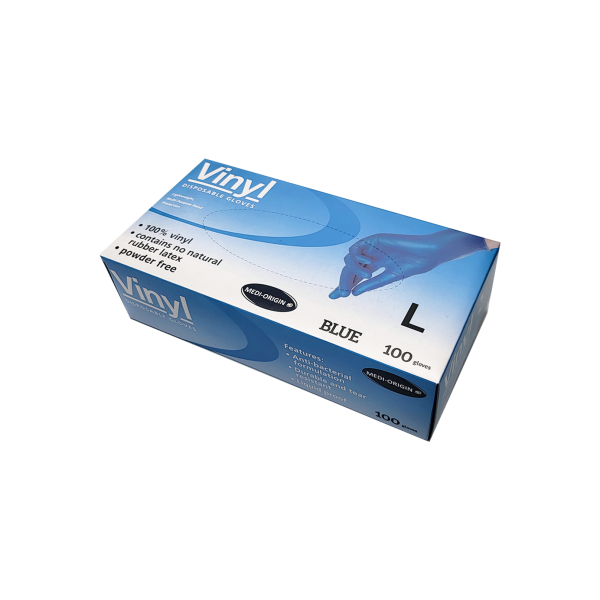
Disposable gloves are used across countless workplaces where hygiene, contamination control, cleanliness, and worker protection matter. From healthcare clinics and dental practices to restaurants, cleaning businesses, laboratories, beauty salons, and industrial workplaces, having dependable access to suitable gloves can make everyday operations easier and safer.
Businesses looking for disposable gloves supplies Sydney should consider much more than the price printed on a carton. Glove material, size, durability, intended application, comfort, stock availability, packaging quantity, and supplier reliability can all affect the actual value of a purchase.
Nitrile, latex, and vinyl gloves each have different characteristics. A glove that works well for general cleaning may not necessarily be suitable for a healthcare procedure, food-handling task, laboratory environment, or chemical exposure.
This guide explains the main disposable glove options, their common applications, purchasing considerations, and practical ways Sydney businesses can manage their glove supplies more efficiently.
Why Sydney Businesses Need Reliable Disposable Glove Supplies
Disposable gloves are consumable products, which means businesses can move through large quantities surprisingly quickly. A busy medical practice, commercial kitchen, cleaning company, or beauty business may use hundreds or even thousands of individual gloves within a relatively short period.
Reliable supply therefore matters.
Running out of gloves can interrupt normal operations and lead to rushed purchasing decisions. Businesses may end up paying more for emergency stock or accepting products that are not their preferred size, material, or specification.
Working with dependable disposable gloves supplies Sydney providers can make stock management more predictable. Businesses can establish preferred glove types, estimate typical consumption, set minimum inventory levels, and reorder before supplies become critically low.
Reliability also means consistency.
Employees who regularly use the same suitable glove become familiar with its fit and performance. Constantly changing between different brands, thicknesses, and sizes can affect comfort and usability.
A reliable purchasing strategy therefore combines product quality with dependable availability and sensible inventory management.
Different Types of Disposable Gloves
There is no single disposable glove that is ideal for every workplace. Understanding the main materials is one of the easiest ways to narrow down the available options.
Nitrile gloves are widely used across healthcare, cleaning, automotive, laboratory, food-related, and general workplace applications. They are made from synthetic rubber and are a common latex-free option.
Latex gloves are made from natural rubber latex and are known for their flexibility, close fit, and tactile sensitivity. However, latex allergy considerations can make alternative materials more appropriate in some environments.
Vinyl gloves are manufactured using PVC and are often considered for certain lower-risk, short-duration tasks. Their suitability depends on the intended application and workplace requirements.
Other specialised disposable glove materials are also available for particular applications.
Rather than choosing based on material name alone, buyers should examine the actual product specifications and determine whether the glove is appropriate for the intended task.
Nitrile Disposable Gloves for Sydney Workplaces
Nitrile has become a popular choice for businesses purchasing disposable gloves because it offers a useful combination of durability, flexibility, and broad application.
Unlike natural rubber latex gloves, nitrile gloves are made from synthetic rubber. This makes them a useful option for workplaces seeking latex-free disposable gloves.
Nitrile gloves are available in different thicknesses, sizes, colours, cuff lengths, textures, and product classifications. Some are intended for examination or healthcare applications, while others are designed for food handling, cleaning, mechanical work, or general-purpose use.
This distinction is important.
Businesses searching for disposable gloves supplies Sydney should not assume every nitrile glove is interchangeable simply because it uses the same material.
For example, a thicker glove may be useful for demanding tasks but could reduce tactile sensitivity. A lighter glove may offer greater flexibility but may not provide the durability required for certain work.
The intended application should always guide product selection.
Latex Disposable Gloves and Their Applications
Latex gloves have been widely used in professional settings because natural rubber offers excellent flexibility and can provide a close, comfortable fit.
This makes latex attractive for tasks requiring hand movement and tactile sensitivity.
Depending on the specific product and applicable requirements, latex gloves may be found in healthcare, dental, laboratory, cleaning, beauty, and other professional environments.
However, natural rubber latex can cause allergic reactions in some individuals. Businesses should therefore consider staff and customer requirements before selecting latex products.
Powdered and powder-free designs have historically been available, although product availability and suitability vary depending on application and regulatory requirements.
Businesses should also distinguish between general-purpose latex gloves and products designed or classified for specific professional applications.
When comparing latex products, check size availability, cuff design, texture, thickness, packaging quantity, intended use, and relevant product documentation.
Comfort is valuable, but suitability for the actual task should remain the main purchasing consideration.
Vinyl Disposable Gloves for Short-Duration Tasks
Vinyl gloves can provide an economical solution for selected applications where gloves need to be changed frequently and the task does not require the characteristics of nitrile or latex.
They are commonly associated with certain food-service, cleaning, beauty, and general-purpose activities.
Vinyl is different from nitrile and natural rubber latex. It generally offers a looser fit and different levels of flexibility and durability.
This does not automatically make vinyl a poor option. It simply means buyers need to match the glove to the task.
For example, a business performing short, low-risk tasks with frequent glove changes may have different requirements from a laboratory handling hazardous substances or a healthcare facility performing clinical procedures.
Purchasing decisions should therefore consider the exposure involved, duration of use, required dexterity, likelihood of tearing, and relevant workplace procedures.
Sydney businesses purchasing vinyl gloves in bulk should test their preferred products where practical before committing to large quantities.
Disposable Gloves for Healthcare and Medical Facilities
Healthcare facilities are among the most recognisable users of disposable gloves. Medical centres, dental clinics, aged care providers, pathology services, allied health practices, and other healthcare organisations may use gloves throughout the working day.
However, simply wearing gloves does not make every task safe.
Healthcare organisations need to select gloves appropriate for their intended clinical application and follow relevant infection-prevention and workplace procedures. Gloves should also be changed appropriately between tasks and patients where required.
Fit deserves particular attention.
Gloves that are too small may feel restrictive and be more difficult to put on, while oversized gloves can reduce dexterity. Providing an appropriate range of sizes allows workers to choose a more suitable fit.
Healthcare buyers comparing disposable gloves supplies Sydney should examine product classification, intended use, material, sizing, packaging, documentation, and supplier consistency.
Price remains important because healthcare organisations can consume large quantities, but it should not replace suitability and quality as the primary considerations.
Disposable Gloves for Food Handling and Hospitality
Sydney has a large hospitality sector encompassing restaurants, cafes, takeaway businesses, commercial kitchens, catering companies, hotels, bakeries, and food-production operations.
Disposable gloves can be useful for particular food-handling tasks, but they must be used correctly.
Wearing gloves does not eliminate the need for appropriate hand hygiene. Gloves can themselves become contaminated and may transfer contamination between surfaces or foods if they are not changed when necessary.
Food businesses should select gloves that are appropriate for food contact and their intended tasks.
Nitrile, vinyl, or other suitable disposable glove materials may be considered depending on the application and applicable requirements.
Colour can also have practical value. Some food businesses use particular glove colours to improve visibility or distinguish between work areas and tasks.
When ordering disposable gloves, hospitality businesses should consider how frequently gloves are changed, employee sizing requirements, carton quantities, storage space, and expected weekly or monthly consumption.
Accurate consumption estimates can make bulk purchasing much more efficient.
Disposable Gloves for Cleaning and Commercial Work
Professional cleaners encounter many different surfaces, substances, and workplace conditions. Disposable gloves can help protect hands during selected cleaning tasks, but the correct glove depends on the substances being handled.
General cleaning and chemical handling should not automatically be treated as the same activity.
A standard disposable glove may be suitable for some routine tasks but inappropriate for exposure to certain concentrated cleaning chemicals or hazardous substances. Businesses should review product information, chemical compatibility information where relevant, safety data, and workplace procedures.
Durability can be particularly important for cleaners.
If thin gloves repeatedly tear during work, employees may use several pairs for a single task. A slightly more durable product could potentially reduce glove consumption and interruptions.
Cleaning businesses comparing disposable gloves supplies Sydney should therefore look beyond box price.
Thickness, grip, fit, cuff length, material, durability, and intended application can all influence overall value.
Where chemical exposure is involved, glove selection should be based on appropriate safety guidance rather than appearance or price alone.
Choosing the Correct Disposable Glove Size
Size may appear to be a minor purchasing detail, but it has a major impact on glove comfort and usability.
Disposable gloves are typically available across several sizes, although exact sizing differs between manufacturers and products.
A glove that is excessively tight can restrict movement and cause discomfort during extended wear. A glove that is too loose can reduce control and make detailed work more difficult.
Businesses should avoid purchasing a single size for an entire workforce simply because it simplifies ordering.
Instead, employees should have access to appropriate sizes based on their needs.
When changing brands, check the manufacturer’s sizing information rather than assuming that a medium from one supplier will fit exactly like a medium from another.
Sydney businesses ordering large volumes may benefit from trialling different sizes before purchasing multiple cartons.
Getting sizing right can improve comfort, reduce wasted gloves, and help employees perform tasks more effectively.
Buying Disposable Gloves in Bulk in Sydney
Bulk purchasing can be an effective strategy for businesses with predictable glove consumption.
Instead of purchasing individual boxes whenever supplies become low, businesses can order cartons or larger quantities. This may reduce the cost per glove and decrease the time spent repeatedly placing orders.
However, bulk buying should be planned carefully.
Start by calculating normal consumption. A business using five boxes each week has very different purchasing requirements from one using fifty.
Storage should also be considered. Disposable gloves should be stored according to manufacturer recommendations and protected from conditions that could negatively affect the product or packaging.
Businesses should compare suppliers based on the actual unit quantity rather than box or carton price alone.
For example, carton configurations can differ between products. Calculating the approximate cost per glove or per 100 gloves provides a more meaningful comparison.
Good bulk purchasing balances price, consumption, storage, stock availability, product suitability, and delivery frequency.
What to Look for in Disposable Gloves Supplies Sydney
Selecting a supplier is an important procurement decision for businesses that depend on gloves every day.
Product range should be considered first. Having nitrile, latex, vinyl, and other suitable options available can make it easier to purchase for different departments or tasks.
Stock consistency matters as well.
Businesses may find it frustrating to approve a particular glove only for it to become unavailable whenever they need to reorder.
Other considerations include delivery coverage across Sydney, order processing, carton quantities, minimum orders, bulk pricing, product information, customer support, and return procedures.
Buyers should also check whether relevant technical or compliance information is available for products where required.
A good supplier does not simply provide boxes of gloves. The supplier should make it easy for customers to identify what they are buying, understand the intended application, select suitable sizes, and reorder consistently.
These factors become increasingly important as purchasing volumes grow.
Managing Disposable Glove Costs Without Sacrificing Quality
Controlling procurement costs does not necessarily mean buying the cheapest gloves available.
Businesses should focus on the total cost of use.
Suppose a low-cost glove tears frequently and workers regularly need a second or third pair. The actual consumption rate may eliminate the initial saving.
Incorrect sizing can create similar waste.
Businesses can manage costs by standardising suitable products, monitoring usage, purchasing practical quantities, comparing unit prices, and maintaining enough inventory to avoid expensive emergency purchases.
It may also be useful to examine glove usage by department.
If one location or team is consuming significantly more gloves than comparable areas, there may be a legitimate operational reason. Alternatively, storage arrangements, unnecessary glove changes, incorrect sizing, or poor-quality products could be contributing to higher consumption.
Regular purchasing reviews allow organisations to control costs without automatically moving to lower-quality equipment.
Maintaining a Reliable Disposable Glove Inventory
Inventory planning is particularly important for high-volume glove users.
A simple starting point is to determine average weekly consumption for each glove type and size. Businesses can then establish minimum stock levels based on normal demand and expected supplier lead times.
For example, waiting until the final box of medium nitrile gloves is opened before ordering more creates unnecessary risk.
Stock levels should be reviewed regularly, especially during periods when demand changes.
Businesses should also avoid excessive overstocking. Large quantities consume storage space and may remain unused if requirements or preferred products change.
Organising inventory by material, size, and product type makes stock checks easier. Older suitable stock should generally be used before newer deliveries where applicable.
Businesses working with disposable gloves supplies Sydney providers may also want to establish a predictable ordering routine rather than relying entirely on last-minute purchases.
Good inventory management can reduce shortages, unnecessary spending, and operational disruption.
Frequently Asked Questions About Disposable Gloves Supplies Sydney
Where can businesses buy disposable gloves in Sydney?
Disposable gloves are available through medical supply companies, safety equipment suppliers, cleaning wholesalers, hospitality suppliers, industrial suppliers, and specialist PPE businesses. The most suitable supplier depends on the required glove material, intended application, order volume, delivery requirements, and relevant product specifications.
Which disposable gloves are best?
There is no single best disposable glove for every application. Nitrile gloves are widely chosen because of their durability and latex-free construction. Latex can offer excellent flexibility and tactile sensitivity, while vinyl may suit certain short-duration, lower-risk applications. The correct choice depends on the workplace and task.
Can I buy disposable gloves in bulk in Sydney?
Yes. Many suppliers offer disposable gloves by the carton or in larger quantities for businesses with regular consumption. Before purchasing bulk stock, compare unit prices, carton quantities, delivery costs, storage requirements, product specifications, and expected consumption.
Are nitrile gloves better than latex gloves?
Neither material is automatically better for every situation. Nitrile is synthetic and avoids natural rubber latex, making it a common choice where latex allergy is a concern. Latex offers flexibility and tactile sensitivity. The appropriate option depends on the intended use and workplace requirements.
Are disposable gloves suitable for food handling?
Some disposable gloves are designed or considered suitable for food-handling applications. Buyers should confirm the manufacturer’s intended use and relevant product information rather than assuming that every disposable glove is appropriate for food contact.
How should disposable gloves be stored?
Disposable gloves should be stored according to the manufacturer’s instructions. Generally, businesses should keep products in suitable conditions away from factors that could damage the gloves or packaging. Stock should also be organised so that older inventory can be identified and used appropriately.
How can businesses reduce disposable glove costs?
Businesses can reduce costs by purchasing appropriate quantities, comparing cost per unit, selecting durable products suited to each task, improving sizing, monitoring consumption, reducing unnecessary waste, and maintaining sufficient inventory to avoid emergency orders.
How do I choose a disposable glove supplier in Sydney?
Compare suppliers based on product quality, range, stock availability, specifications, bulk pricing, minimum order quantities, delivery options, customer service, and consistency. For large purchases, trialling a product before ordering multiple cartons can also be worthwhile.
Conclusion
Finding dependable disposable gloves supplies Sydney is about more than locating the cheapest box of gloves. Businesses need products that match their tasks, workforce, safety requirements, consumption levels, and budget.
Nitrile, latex, and vinyl gloves each offer different characteristics, making product selection an important part of the purchasing process. Healthcare facilities, food businesses, cleaners, laboratories, beauty businesses, and other Sydney workplaces should consider material, fit, durability, intended use, documentation, availability, and cost before ordering.
Bulk purchasing can provide better value for high-volume users, but it works best when combined with sensible inventory management and accurate consumption estimates.
By choosing appropriate products and establishing a reliable supply process, Sydney businesses can maintain ready access to disposable gloves while controlling waste, purchasing costs, and unnecessary stock shortages.