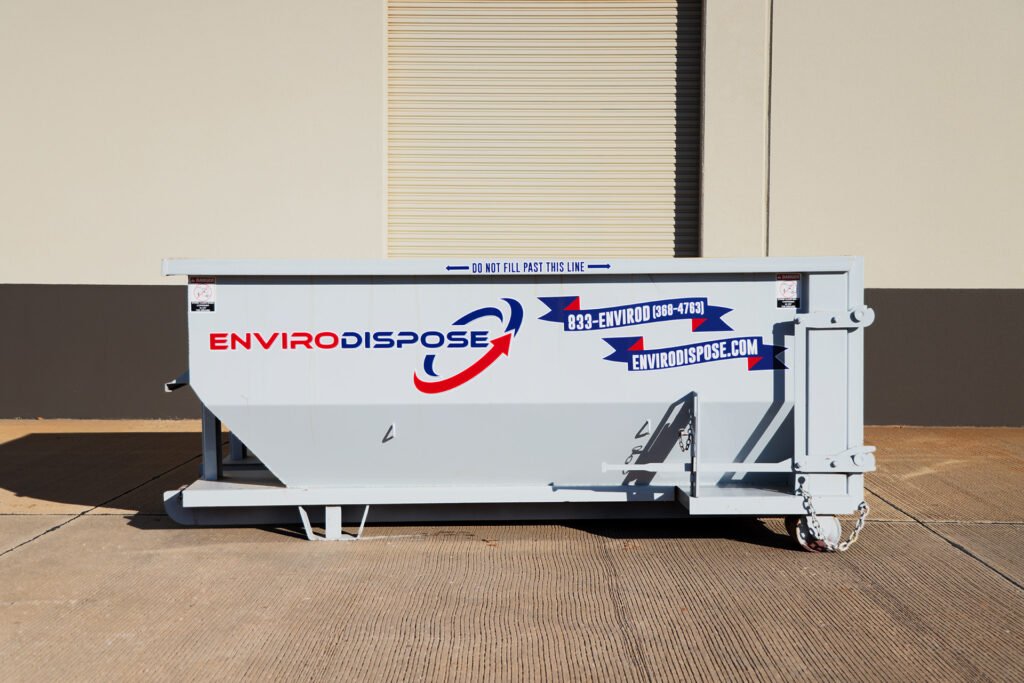
A disposal dumpster is a large container designed to collect, store, and transport waste for proper disposal or recycling. It is commonly used for household cleanouts, construction projects, renovation work, commercial waste management, and industrial cleanup operations.
Disposal dumpsters are available in different sizes and configurations to accommodate various waste volumes. Depending on the project, they may hold furniture, packaging, wood, drywall, roofing debris, general trash, and other permitted materials.
These containers help keep work areas organized while making waste collection and transportation more efficient. They can be rented for temporary projects or installed at commercial facilities for recurring waste collection.
Choosing the right disposal dumpster depends on the type of waste, the amount of material, the available space, and the project’s disposal requirements.
How Does a Disposal Dumpster Work?
1. Selecting the Appropriate Container
The process begins by estimating the quantity and type of waste that needs to be removed. A small residential cleanout may require a compact dumpster, while a construction project may need a larger roll-off container.
The container should have sufficient capacity for the expected waste without exceeding its weight limit.
2. Arranging Delivery and Placement
For temporary projects, a dumpster provider delivers the container to an approved location. The placement area should be accessible to the delivery vehicle and provide enough clearance for loading and collection.
Property owners should check local placement requirements before arranging delivery, particularly when a dumpster will occupy a public road, sidewalk, or shared parking area.
3. Loading the Waste
Waste is placed inside the dumpster according to the provider’s loading instructions. Heavy materials should be distributed evenly, and the contents should remain below the container’s permitted fill line.
Overloading a dumpster can create safety risks and may prevent the collection vehicle from transporting it legally.
4. Collection and Transportation
When the container is full or the rental period ends, the provider collects it and transports the waste to an appropriate facility.
Depending on the material, the waste may be sorted for recycling, processed for recovery, treated, or sent to an authorized disposal facility.
Types of Disposal Dumpsters
Roll-Off Dumpsters
Roll-off dumpsters are large containers delivered and collected using specialized trucks. They are widely used for construction, renovation, demolition, and large property cleanouts.
These containers are generally suitable for projects that produce substantial amounts of waste over a limited period.
Front-Load Dumpsters
Front-load dumpsters are commonly used by businesses, restaurants, offices, apartment complexes, and other facilities that generate waste regularly.
Collection vehicles lift and empty the containers into the truck, making them suitable for scheduled commercial waste services.
Residential Disposal Dumpsters
Residential dumpsters are used for household decluttering, moving, garage cleanouts, landscaping projects, and home renovations.
They provide a centralized location for permitted waste and reduce the need for repeated trips to disposal facilities.
Construction and Demolition Dumpsters
Construction dumpsters are designed to collect materials generated during building, renovation, and demolition work.
Typical permitted materials may include wood, drywall, flooring, packaging, and certain roofing materials. Concrete, brick, soil, and other heavy materials may require separate containers or special arrangements.
Industrial Waste Dumpsters
Industrial dumpsters are used at manufacturing facilities, warehouses, workshops, and commercial sites.
Their suitability depends on the type of waste being handled. Hazardous chemicals, contaminated materials, and regulated industrial waste require appropriate specialized management rather than ordinary dumpster disposal.
Common Uses of Disposal Dumpsters
Home Renovations and Cleanouts
Home improvement projects often produce more waste than ordinary household collection services can accommodate.
A disposal dumpster can be useful for removing old cabinets, flooring, furniture, drywall, packaging, and other permitted renovation debris.
It can also support estate cleanouts, moving preparations, and garage or basement organization.
Construction Projects
Construction sites generate waste throughout the building process. A dedicated dumpster helps workers collect materials in one location instead of allowing debris to accumulate around the site.
A properly placed construction dumpster can improve site organization, simplify cleanup, and support safer material handling.
Commercial Properties
Businesses need reliable systems for managing cardboard, packaging, office furniture, and general nonhazardous waste.
Front-load dumpsters are often appropriate for ongoing collection, while roll-off dumpsters may be more suitable for office relocations, major cleanouts, and remodeling projects.
Landscaping and Outdoor Projects
Landscaping work can produce branches, leaves, shrubs, and other yard debris.
Some providers accept green waste in designated containers, while others require separate collection. Soil, rocks, tree trunks, and other heavy materials may have specific weight restrictions.
Property Management
Apartment complexes, rental properties, and commercial buildings may need temporary dumpsters during tenant changes, maintenance projects, and large-scale cleanouts.
A central container helps property managers coordinate waste collection and reduce clutter in shared areas.
Benefits of Using a Disposal Dumpster
Convenient Waste Collection
A disposal dumpster provides a central location for collecting waste during a project.
Instead of moving debris to several temporary piles, workers and residents can place permitted materials in one accessible container.
Improved Workplace Organization
Construction debris and discarded materials can obstruct walkways and working areas when they are not managed properly.
A designated waste container helps maintain a cleaner and more organized project site.
Efficient Waste Transportation
A dumpster consolidates waste into a container that can be transported by a suitable collection vehicle.
This can reduce the need for repeated individual trips to disposal facilities, depending on the project’s size and service arrangement.
Support for Recycling
Some waste streams can be recovered rather than sent directly to a landfill. Metal, cardboard, clean wood, and other recyclable materials may be separated when local facilities accept them.
Keeping recyclable materials separate can improve recovery opportunities and reduce the amount of waste requiring final disposal.
Flexible Project Planning
Disposal dumpsters are available in different capacities and service arrangements. Temporary rentals can support short-term projects, while scheduled collection can serve businesses with recurring waste needs.
Disposal Dumpster Sizes and Capacities
Dumpster sizes are commonly described in cubic yards in the United States. Actual dimensions, weight allowances, and availability vary by provider.
| Dumpster Size | Typical Applications | General Suitability |
|---|---|---|
| 10 cubic yards | Small cleanouts and minor renovations | Limited waste volumes |
| 15 cubic yards | Garage cleanouts and smaller remodeling jobs | Small to medium projects |
| 20 cubic yards | Flooring removal and larger household cleanouts | Medium projects |
| 30 cubic yards | Major renovations and construction work | Large projects |
| 40 cubic yards | Large construction and demolition projects | Very high waste volumes |
These are general planning examples rather than universal capacity recommendations.
The correct dumpster size should be selected by considering both the physical volume and the weight of the waste. Heavy materials such as concrete, soil, and masonry can reach weight limits before a container is full.
Factors That Affect Disposal Dumpster Costs
Dumpster Size
Larger containers generally have higher rental costs because they require more capacity and handling resources. However, choosing a container that is too small may lead to additional collection fees or another rental.
Rental Duration
Some providers offer a fixed rental period, while others charge additional fees for extended use.
Project schedules should account for loading time, contractor availability, and collection arrangements.
Waste Type and Weight
The material being disposed of can significantly affect the overall price.
Heavy construction debris, restricted materials, and certain specialty waste streams may require different pricing or disposal arrangements.
Delivery and Collection
The final cost may include delivery, collection, disposal allowances, and applicable taxes or fees.
Customers should confirm which services are included in the quoted price before booking.
Location and Access
Delivery distance, site accessibility, local disposal charges, and placement restrictions may also influence the cost.
Comparing quotes using the same container size, rental duration, and waste type provides a more meaningful price comparison.
What Can and Cannot Go Into a Disposal Dumpster?
Accepted materials vary by provider and local regulations. The following table gives general examples.
| Material | Typical Disposal Guidance |
|---|---|
| Household clutter | Usually accepted in general-waste rentals |
| Furniture | Often accepted, subject to restrictions |
| Wood and drywall | Commonly accepted in construction dumpsters |
| Cardboard and packaging | Often accepted; recycling may be preferable |
| Concrete and bricks | May require a dedicated heavy-debris container |
| Paints and solvents | Often restricted or require special disposal |
| Batteries and electronics | May require separate collection |
| Chemicals and hazardous waste | Generally require specialized handling |
| Tires and appliances | Acceptance varies by provider and local rules |
Before loading a dumpster, customers should obtain a list of prohibited and restricted materials from the provider.
Hazardous waste should never be placed in an ordinary disposal dumpster unless the service is specifically authorized and equipped to handle it.
How to Choose the Right Disposal Dumpster
Estimate the Waste Volume
Begin by identifying the materials that will be removed and estimating how much space they will occupy.
Bulky items may take up substantial space even when they are relatively light. Dense materials require special attention to weight limits.
Match the Container to the Project
A small home cleanout may need a different container from a roofing replacement or commercial renovation.
Consider whether the project will generate waste continuously or whether most of the material will be removed in one session.
Check Weight Restrictions
Ask the provider about the included weight allowance and any additional charges.
This is especially important for concrete, soil, brick, roofing debris, and other dense materials.
Evaluate Placement and Access
The delivery location should be stable, accessible, and large enough for the container and collection vehicle.
Check overhead obstructions, driveway conditions, parking restrictions, and any permit requirements before delivery.
Compare Service Terms
Before selecting a provider, review the rental period, collection schedule, accepted materials, weight limits, and potential extra charges.
A clear agreement helps prevent unexpected costs and scheduling problems.
Best Practices for Safe Dumpster Use
Load Materials Evenly
Distribute heavy items across the container rather than concentrating them in one area. Keep the waste below the designated fill line and follow all loading instructions.
Keep Restricted Materials Separate
Identify hazardous and specialty waste before beginning the project. Arrange appropriate collection for materials that cannot be accepted in the dumpster.
Maintain Clear Access
Keep the area around the container free from vehicles, equipment, and other obstructions that could interfere with collection.
Plan Collection in Advance
For projects with firm deadlines, schedule collection with enough time to avoid delays. Confirm whether the container can remain on-site longer if the project takes more time than expected.
Frequently Asked Questions
What is a disposal dumpster used for?
A disposal dumpster is used to collect and transport waste generated by household cleanouts, construction, renovation, landscaping, commercial operations, and other projects.
How do customers choose the right dumpster size?
The appropriate size depends on the volume, weight, and type of waste. A provider can help estimate capacity based on the project scope and any special material restrictions.
Are disposal dumpsters suitable for residential use?
Yes. Residential dumpsters are commonly used for moving, decluttering, remodeling, garage cleanouts, and other projects that generate more waste than regular collection services can handle.
How much does a disposal dumpster cost?
The cost depends on the container size, rental duration, waste type, weight allowance, location, and provider’s service terms. A project-specific quote is the most reliable way to determine the total cost.
Can construction debris go into a disposal dumpster?
Many dumpsters accept common construction debris, including wood, drywall, and certain roofing materials. Heavy materials and hazardous waste may require separate arrangements.
Is a permit required for a disposal dumpster?
A permit may be required when the dumpster occupies a public street, sidewalk, or other regulated area. Requirements depend on the local authority and placement location.
Final Thoughts
A disposal dumpster is a practical solution for collecting and transporting waste during residential, commercial, and construction projects. By providing a central location for permitted materials, it can improve site organization, simplify cleanup, and support more efficient waste management.
Selecting the right container requires attention to waste volume, material type, weight restrictions, placement, rental duration, and disposal requirements.
With proper planning and responsible loading, disposal dumpsters can help keep projects organized while supporting recycling and appropriate waste handling. Customers should confirm accepted materials, total service costs, and local requirements before arranging delivery.