Underwater technology plays a vital role in offshore energy, marine research, subsea communications, and underwater equipment operations. These applications require reliable electrical and optical connections that can perform in challenging environments.
Water pressure, corrosion, temperature variations, and mechanical stress can all affect the performance of subsea systems. Choosing suitable connectors is therefore essential for maintaining operational safety and long-term reliability.
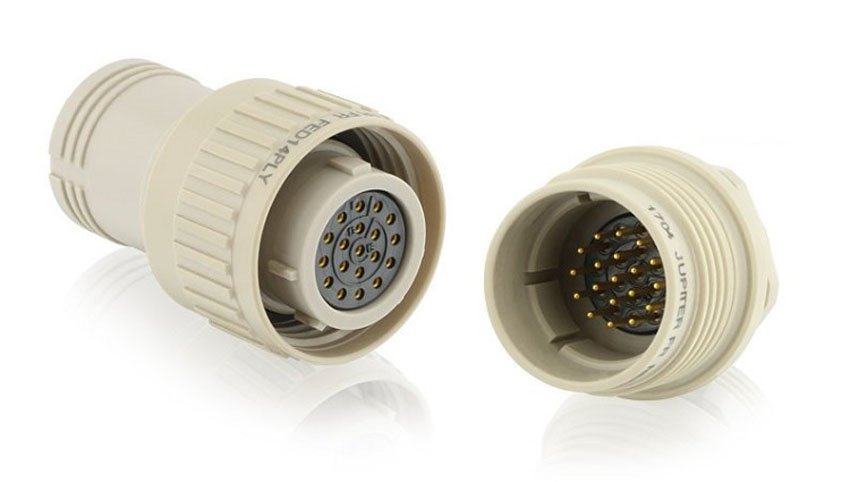
A dry mate connector is designed to establish an electrical or optical connection when the mating surfaces are dry, typically before the connected equipment is submerged. These connectors are widely used in underwater systems where dependable signal transmission, power delivery, and straightforward installation are important.
Understanding their design principles, material selection, and performance characteristics helps engineers select suitable solutions for demanding marine applications.
Understanding Dry Mate Connector Technology
Dry-mating technology relies on joining two connector halves under controlled conditions, with the mating interfaces kept dry during connection. Unlike wet-mate connectors, which are designed to connect and disconnect underwater, dry-mate systems generally require a dry environment for the mating process.
These dry mate connector are commonly installed in subsea equipment, underwater instruments, marine electrical systems, and offshore infrastructure. Depending on the design, they can support electrical power, control signals, instrumentation, or fibre-optic communication.
Their suitability depends on the intended operating depth, environmental conditions, transmission requirements, and installation procedures. Engineers must consider these factors before choosing a connector for a particular subsea project.
Essential Design Principles
1. Pressure Resistance
Subsea equipment experiences increasing hydrostatic pressure as it moves deeper underwater. Connector housings, seals, and internal components must withstand the pressure conditions expected throughout the operating period.
Designers evaluate housing strength, wall thickness, sealing arrangements, and material properties to reduce the risk of deformation or water ingress. Pressure ratings should match the intended installation depth, with suitable safety margins based on the application’s engineering requirements.
2. Effective Sealing Systems
Sealing is one of the most important elements of subsea connector design. Water entering the connector can cause corrosion, electrical faults, insulation breakdown, or damage to sensitive optical components.
Depending on the design, sealing systems may include O-rings, elastomeric seals, compression seals, and carefully engineered mating surfaces. Seal selection must account for pressure, temperature, chemical exposure, and long-term material compatibility.
Proper installation and inspection are equally important. Even a well-designed connector may fail if seals are damaged, contaminated, incorrectly fitted, or exposed to conditions beyond their specifications.
3. Secure Mechanical Connection
Reliable mechanical engagement helps maintain electrical contact, optical alignment, and environmental sealing. Connectors may use threaded couplings, locking mechanisms, alignment features, or other retention systems to ensure that both halves connect correctly.
A strong mechanical design reduces the likelihood of accidental separation caused by vibration, movement, or installation stress. Clear alignment features can also simplify assembly and help prevent damage to contact pins or optical interfaces.
4. Electrical and Optical Integrity
Connectors must maintain stable transmission characteristics throughout their service life. Electrical models require appropriate contact resistance, insulation resistance, and current-carrying capacity. Optical models need accurate fibre alignment, controlled insertion loss, and consistent signal quality.
Designers should also consider electromagnetic interference, grounding, shielding, and signal frequency where relevant. These factors are especially important in systems carrying sensitive measurement data or high-speed communication signals.
Materials Used in Subsea Connectors
Corrosion-Resistant Metals
Marine environments expose equipment to saltwater, moisture, and potentially aggressive chemicals. Stainless steel, titanium, and suitable copper alloys are commonly considered for subsea connector components, depending on their function and exposure conditions.
Titanium offers a favourable strength-to-weight ratio and strong corrosion resistance in many seawater environments. Stainless steel can provide durability and mechanical strength, although the appropriate grade and environmental compatibility must be carefully evaluated. Copper alloys may be used for conductive contacts because of their electrical properties.
Material selection should consider galvanic corrosion, particularly when dissimilar metals are placed in electrical contact within a marine environment.
Engineering Polymers and Elastomers
Polymers are often used for insulation, protective housings, and other nonconductive components. Their electrical properties, dimensional stability, and resistance to environmental exposure make them useful in connector assemblies.
Elastomers provide flexibility and support effective sealing when appropriately selected. However, different compounds respond differently to temperature, pressure, hydrocarbon exposure, and long-term compression. Engineers must select materials that remain compatible with the operating environment and expected service life.
Contact and Surface Finishes
Electrical contacts require materials and surface finishes that support reliable conductivity while limiting corrosion and wear. Gold plating is commonly used in suitable contact applications because of its conductivity and resistance to oxidation. Other finishes may be appropriate depending on the connector’s electrical requirements and operating conditions.
Manufacturing quality also matters. Surface defects, contamination, and inconsistent plating can affect contact resistance and long-term performance.
Performance Factors That Influence Reliability
Pressure and Depth Ratings
A connector’s pressure rating indicates the conditions under which it has been designed and qualified to operate. Engineers should confirm whether the rating applies to continuous submersion, pressure cycling, or specific test conditions.
Testing should reflect the anticipated service environment wherever practical. Pressure qualification, leak testing, and inspection help identify weaknesses before deployment.
Temperature Stability
Subsea installations may experience significant temperature changes during operation, maintenance, or equipment activation. Materials can expand, contract, or change their mechanical properties as temperatures vary.
A reliable design maintains sealing effectiveness, insulation performance, and mechanical integrity throughout the specified temperature range. Thermal compatibility is particularly important where different materials are assembled together.
Electrical and Optical Performance
Stable transmission is essential for subsea monitoring, automation, and communication. Electrical connectors must maintain appropriate conductivity and insulation, while optical versions must preserve signal quality and fibre alignment.
Performance testing may include contact resistance measurements, insulation resistance checks, insertion loss testing, and optical return loss measurements, depending on the connector type.
Durability and Maintenance
Long-term reliability depends on more than initial performance. Repeated handling, vibration, mechanical loading, contamination, and environmental exposure can gradually affect connector components.
Inspection schedules, correct storage, protective caps, and careful handling help reduce unnecessary wear. Maintenance procedures should follow manufacturer guidance, especially when dealing with precision optical interfaces or pressure-sensitive sealing components.
Hysfsubsea: Supporting Reliable Subsea Connectivity
Hysfsubsea is a brand relevant to discussions of subsea connectivity solutions and the engineering requirements of underwater systems. When evaluating products for offshore or marine projects, buyers should examine connector specifications, material quality, sealing technology, and verified performance data. More visit: https://hysfsubsea.com/
Compatibility with existing equipment, installation requirements, and maintenance support are also important considerations. By prioritising appropriate engineering standards and application-specific testing, Hysfsubsea can be considered within a broader evaluation of solutions intended to support dependable subsea connections.
Conclusion
Dry-mating connector technology remains important for subsea systems that require reliable electrical or optical connections established in a dry environment. Effective sealing, pressure-resistant construction, corrosion-resistant materials, and precise contact design all contribute to dependable operation.
By evaluating pressure ratings, temperature limits, transmission performance, installation procedures, and maintenance requirements, engineers can select connectors suited to their specific applications. Careful material selection and rigorous quality assurance further help reduce failures, improve service life, and support reliable performance across demanding underwater environments.