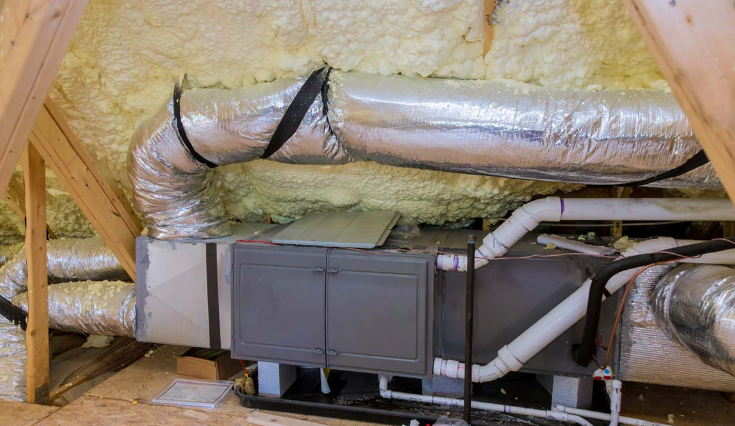
A well-functioning duct system plays a vital role in maintaining comfortable indoor temperatures, efficient airflow, and healthy indoor air quality. Over time, air ducts can deteriorate due to age, damage, poor installation, insulation problems, or changing property requirements. When repairs are no longer enough, professional duct replacements can provide a long-term solution.
Replacing outdated or damaged ductwork can significantly improve the performance of heating, ventilation, and air conditioning (HVAC) systems. New duct systems can help reduce energy waste, improve airflow distribution, increase comfort, and support better indoor air quality.
For homeowners and businesses, understanding when duct replacement is needed and choosing the right solution can make a major difference in HVAC efficiency and overall property comfort.
This complete guide explains everything you need to know about duct replacements, including signs you need new ducts, benefits, replacement processes, costs, materials, maintenance tips, and frequently asked questions.
What Are Duct Replacements?
Duct replacements involve removing old, damaged, or inefficient air duct systems and installing new ductwork designed to improve airflow and HVAC performance.
Air ducts are responsible for transporting heated or cooled air throughout a building. When ducts become damaged or outdated, they may lose efficiency and prevent your HVAC system from working properly.
Professional duct replacement services may include:
- Removing old duct sections
- Assessing existing HVAC layouts
- Installing new ductwork
- Improving insulation
- Sealing connections
- Testing airflow performance
A complete duct replacement is designed to create a more efficient and reliable air distribution system.
Why Are Duct Replacements Important?
Many property owners focus on HVAC equipment but overlook the condition of their ductwork. However, damaged or outdated ducts can significantly affect system performance.
Improves Energy Efficiency
Old ducts often develop leaks, cracks, and poor connections that allow conditioned air to escape.
This forces HVAC systems to work harder, resulting in:
- Higher energy consumption
- Increased utility bills
- Reduced system efficiency
New duct installations improve air distribution and help reduce unnecessary energy loss.
Enhances Indoor Comfort
A damaged duct system can cause inconsistent temperatures throughout a property.
Common comfort problems include:
- Uneven heating or cooling
- Weak airflow
- Certain rooms feeling uncomfortable
- Slow temperature adjustment
Replacing old ducts helps deliver balanced airflow and improved comfort.
Improves Indoor Air Quality
Aging duct systems can collect dust, debris, allergens, and contaminants over time.
New ductwork can help reduce:
- Dust circulation
- Airborne particles
- Unwanted pollutants
- Poor airflow issues
A cleaner duct system supports a healthier indoor environment.
Reduces HVAC System Stress
When ducts are inefficient, HVAC equipment must work harder to compensate.
This additional strain can lead to:
- More frequent repairs
- Increased maintenance costs
- Shorter equipment lifespan
New ductwork allows HVAC systems to operate more effectively.
Signs You Need Duct Replacements
Knowing when duct replacement is necessary can help prevent ongoing efficiency problems.
Frequent Duct Repairs
If your duct system requires repeated repairs, replacement may be more cost-effective.
Constant issues often indicate:
- Aging materials
- Extensive damage
- Poor original installation
A new duct system can provide a more reliable long-term solution.
Rising Energy Bills
Unexpected increases in energy costs may indicate that your duct system is losing efficiency.
Damaged ducts can cause:
- Air leakage
- Poor airflow
- Increased HVAC operation
Replacing inefficient ductwork can improve energy performance.
Uneven Temperatures Throughout Your Property
If some rooms are too hot while others remain too cold, duct problems may be responsible.
Possible causes include:
- Poor duct design
- Leaking sections
- Incorrect sizing
- Damaged components
A new duct system can improve airflow balance.
Visible Damage to Ductwork
Visible signs of damage may indicate the need for replacement.
Examples include:
- Cracks
- Collapsed sections
- Damaged insulation
- Rust or deterioration
Poor Airflow From Vents
Weak airflow from vents may suggest serious duct issues.
Possible causes include:
- Blockages
- Leaks
- Aging ducts
- Poor connections
Old or Outdated Duct Systems
Older duct systems may not meet modern efficiency standards.
Replacing outdated ductwork can improve:
- Performance
- Energy efficiency
- Indoor comfort
Common Problems That Lead to Duct Replacement
Several issues can make duct replacement necessary.
Aging Duct Materials
Over time, duct materials can weaken and lose effectiveness.
Older systems may experience:
- Cracks
- Loose joints
- Insulation failure
- Reduced efficiency
Extensive Air Leaks
Small leaks can often be repaired, but widespread leakage may require complete replacement.
Major air loss reduces HVAC performance and increases energy costs.
Poor Original Installation
Incorrectly installed ducts can create long-term problems.
Issues may include:
- Incorrect sizing
- Poor layout
- Limited airflow
- Excessive bends
A replacement system can correct these design problems.
Damaged Insulation
Duct insulation helps maintain air temperature during distribution.
Damaged insulation can cause:
- Energy loss
- Condensation problems
- Reduced efficiency
Replacing ducts allows for improved insulation performance.
Renovations and Property Upgrades
Home or building renovations may require duct replacement to match new layouts.
Examples include:
- Home extensions
- Office upgrades
- Room additions
- HVAC system upgrades
Types of Duct Replacement Systems
Different properties require different duct solutions.
Flexible Duct Replacement
Flexible ducts are lightweight and commonly used in residential properties.
Benefits include:
- Easy installation
- Flexible design options
- Cost-effective solutions
They are suitable for many home HVAC applications.
Metal Duct Replacement
Metal ducts are durable and commonly used in commercial and high-performance HVAC systems.
Advantages include:
- Long lifespan
- Strong construction
- Better durability
Materials may include:
- Galvanized steel
- Aluminum
- Stainless steel
Insulated Duct Replacement
Insulated ducts help maintain air temperature and reduce energy loss.
They are useful in:
- Hot climates
- Large buildings
- Energy-efficient homes
Commercial Duct Replacement
Commercial buildings often require specialized duct replacement solutions.
Applications include:
- Offices
- Warehouses
- Retail buildings
- Industrial facilities
Commercial duct replacement focuses on efficiency, airflow control, and system performance.
Benefits of Professional Duct Replacements
Replacing your duct system provides several long-term advantages.
Better HVAC Performance
New ducts improve airflow distribution and allow HVAC systems to operate more effectively.
Benefits include:
- Faster temperature control
- Improved airflow
- Better system balance
Lower Energy Costs
Efficient ductwork reduces energy waste.
A properly installed system helps:
- Reduce air leakage
- Improve efficiency
- Lower operating costs
Improved Comfort Levels
New ducts help maintain consistent temperatures throughout a property.
This creates:
- Better room comfort
- More balanced airflow
- Improved climate control
Increased Property Value
A modern and efficient HVAC system can improve the overall value of a property.
Benefits include:
- Better energy performance
- Improved comfort
- Modern infrastructure
Reduced Maintenance Requirements
New duct systems require fewer repairs compared with old, damaged systems.
This helps reduce:
- Maintenance costs
- Unexpected breakdowns
- System disruptions
How Does the Duct Replacement Process Work?
Understanding the replacement process helps property owners prepare.
Step 1: Professional Inspection
A technician evaluates the existing duct system.
The inspection includes checking:
- Duct condition
- Airflow performance
- Leakage issues
- System design
Step 2: Duct Replacement Planning
Professionals design a replacement plan based on:
- Property layout
- HVAC requirements
- Energy goals
- Budget considerations
Step 3: Removal of Old Ductwork
The damaged or outdated ducts are carefully removed.
Technicians ensure:
- Safe removal
- Proper disposal
- Minimal disruption
Step 4: Installation of New Ducts
New ductwork is installed according to professional standards.
Installation includes:
- Connecting duct sections
- Sealing joints
- Adding insulation
- Testing airflow
Step 5: System Testing
After installation, technicians test the HVAC system.
Testing ensures:
- Proper airflow
- Correct temperature distribution
- Efficient operation
Duct Replacement vs Duct Repair
Many property owners wonder whether they should repair or replace their ducts.
Duct repairs may be suitable when:
- Damage is minor
- Leaks are limited
- The system is relatively new
Duct replacement may be better when:
- Ducts are old
- Damage is widespread
- Repairs are frequent
- Efficiency is poor
A professional inspection helps determine the most cost-effective option.
How Much Do Duct Replacements Cost?
The cost of duct replacement depends on several factors, including:
- Property size
- Duct system complexity
- Materials used
- Accessibility
- Labor requirements
Factors affecting cost include:
Size of the Property
Larger buildings require more duct materials and labor.
Type of Duct Material
Different materials have different costs and performance characteristics.
System Design
Complex layouts may require additional planning and installation work.
Insulation Requirements
Upgrading insulation can affect overall project costs.
Professional assessment is the best way to determine accurate pricing.
How to Choose a Duct Replacement Professional
Choosing the right contractor is essential for quality results.
Check Experience
Look for professionals with experience in:
- Residential duct replacement
- Commercial systems
- HVAC installations
Verify Qualifications
Qualified technicians understand:
- HVAC design
- Airflow requirements
- Safety standards
- Installation techniques
Ask About Materials
A reliable contractor should explain:
- Recommended duct materials
- Insulation options
- System improvements
Review Customer Feedback
Customer reviews can provide insight into:
- Service quality
- Reliability
- Workmanship
Maintaining New Duct Systems
Proper maintenance helps extend the life of your new ductwork.
Replace Air Filters Regularly
Clean filters improve airflow and reduce system strain.
Schedule HVAC Inspections
Regular checks help identify potential problems early.
Keep Vents Clear
Avoid blocking vents with furniture or objects.
Monitor Energy Performance
Changes in energy use may indicate airflow issues.
Frequently Asked Questions About Duct Replacements
What are duct replacements?
Duct replacements involve removing old or damaged duct systems and installing new ductwork to improve HVAC efficiency and airflow.
How do I know if I need duct replacement?
Common signs include frequent repairs, rising energy bills, poor airflow, uneven temperatures, and visible duct damage.
How long do duct replacement systems last?
A properly installed and maintained duct system can last many years, depending on materials and usage.
Are duct replacements worth the investment?
Yes. New ductwork can improve comfort, energy efficiency, indoor air quality, and HVAC performance.
How long does duct replacement take?
The timeline depends on property size, system complexity, and installation requirements.
Can duct replacement lower energy bills?
Yes. Efficient duct systems reduce air leakage and help HVAC systems operate more effectively.
Should I repair or replace my ducts?
Minor issues may be repaired, but older systems with extensive damage often benefit from replacement.
Are new ducts better for indoor air quality?
Yes. New, properly sealed ducts can reduce dust, pollutants, and airflow problems.
Can duct replacements improve airflow?
Yes. Properly designed and installed duct systems improve air distribution throughout a property.
Do commercial buildings need duct replacements?
Yes. Commercial properties often require duct upgrades to maintain efficiency, comfort, and proper ventilation.
Conclusion
Professional duct replacements are an effective way to improve HVAC performance, energy efficiency, and indoor comfort. Old, damaged, or inefficient duct systems can reduce system effectiveness, increase energy costs, and affect air quality.
Replacing outdated ductwork provides long-term benefits through better airflow, improved temperature control, reduced maintenance needs, and enhanced indoor environments.
Whether you own a residential property or manage a commercial building, investing in professional duct replacement can improve the reliability and efficiency of your HVAC system. With proper installation and regular maintenance, a new duct system can provide comfortable and efficient airflow for many years.