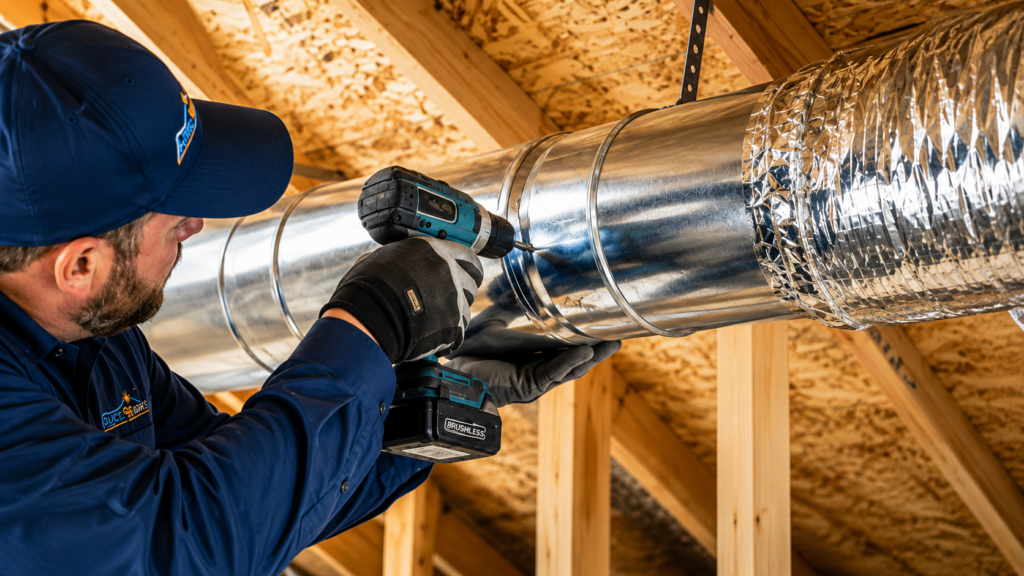
A properly functioning duct system is essential for maintaining comfortable temperatures and efficient air conditioning performance. Your HVAC system may be powerful, but if the ductwork has leaks, cracks, poor connections, or insulation problems, conditioned air can escape before reaching your rooms.
Over time, duct systems can develop issues due to age, poor installation, physical damage, moisture exposure, or lack of maintenance. These problems can lead to uneven cooling, higher energy bills, poor indoor air quality, and unnecessary strain on your air conditioning system.
Professional duct system repairs help restore airflow, improve efficiency, and extend the performance of your HVAC system without requiring a complete duct replacement in every situation.
This complete guide explains what duct system repairs involve, common duct problems, signs your system needs attention, repair methods, benefits, costs, maintenance tips, and frequently asked questions.
What Are Duct System Repairs?
Duct system repairs involve identifying and fixing problems within an air conditioning duct network. The goal is to restore proper airflow, prevent air loss, and ensure conditioned air reaches each area of your property effectively.
A duct system consists of:
- Supply ducts that deliver conditioned air
- Return ducts that bring air back to the HVAC system
- Duct connections and joints
- Insulation layers
- Air vents and registers
When any part of this system becomes damaged, your air conditioner must work harder to maintain indoor comfort.
Professional duct system repairs may include:
- Sealing air leaks
- Repairing damaged duct sections
- Reconnecting loose ducts
- Replacing damaged insulation
- Improving airflow restrictions
- Fixing poorly fitted connections
Why Duct System Repairs Are Important
Many homeowners focus only on their air conditioning unit when comfort problems occur. However, damaged ductwork can often be the hidden cause of poor HVAC performance.
Repairing damaged ducts can help solve problems such as:
- Uneven temperatures
- Weak airflow
- Increased energy costs
- Excessive dust
- Reduced cooling efficiency
A well-maintained duct system allows your HVAC equipment to operate effectively and deliver consistent comfort.
Common Signs Your Duct System Needs Repairs
Recognising duct problems early can prevent larger issues and expensive repairs.
Here are some common signs that your ductwork may need professional attention.
Uneven Cooling Throughout Your Property
One of the most noticeable signs of duct problems is inconsistent temperature distribution.
You may notice:
- Some rooms feel colder than others
- Certain areas receive little airflow
- Some spaces take longer to cool
This often happens when air escapes through leaks or when airflow is restricted.
Weak Airflow From Vents
If your vents are producing less air than usual, the issue may not always be your air conditioner.
Possible causes include:
- Blocked ducts
- Damaged duct sections
- Loose connections
- Air leaks
Professional inspection can determine the actual cause.
Higher Energy Bills
Damaged ducts can significantly affect energy efficiency.
When cooled air escapes before reaching your rooms, your HVAC system must run longer to maintain the desired temperature.
This can result in:
- Increased electricity usage
- Higher operating costs
- Additional system wear
Repairing duct issues helps reduce unnecessary energy waste.
Noisy Ductwork
Unusual sounds coming from your duct system may indicate problems.
Common noises include:
- Whistling
- Rattling
- Banging
- Air escaping sounds
These noises may be caused by loose connections, damaged materials, or pressure problems.
Excessive Dust Around Your Home
Leaking or damaged ducts can allow dust and contaminants to enter your airflow system.
Signs may include:
- Increased dust accumulation
- Dirty air vents
- Poor indoor air quality
Repairing duct leaks can help improve the cleanliness of circulated air.
Visible Damage to Ducts
Physical inspection may reveal problems such as:
- Cracks
- Tears
- Loose sections
- Damaged insulation
Visible damage should be addressed before it affects system performance further.
Poor Indoor Air Quality
Duct problems can contribute to indoor air quality concerns.
Issues may include:
- Dust circulation
- Allergens
- Unpleasant odours
- Moisture-related problems
Repairing damaged ductwork can help create a cleaner indoor environment.
Common Causes of Duct System Damage
Several factors can contribute to duct problems over time.
Age and Wear
Like other HVAC components, duct systems deteriorate with age.
Older ducts may experience:
- Material breakdown
- Loose joints
- Insulation damage
- Reduced efficiency
Regular inspections help identify ageing issues before they become serious.
Poor Installation
Incorrect installation can create long-term duct problems.
Common installation issues include:
- Incorrect duct sizing
- Poor sealing
- Restricted airflow
- Improper connections
Professional repairs can correct many installation-related problems.
Physical Damage
Ducts can become damaged due to:
- Renovations
- Building movement
- Accidental impacts
- Pest activity
Even small holes or cracks can reduce efficiency.
Moisture and Condensation
Moisture problems can damage duct materials and insulation.
Possible causes include:
- Poor ventilation
- Condensation buildup
- Water leaks
Moisture-related duct issues may also contribute to mould growth.
Lack of Maintenance
Without regular inspections, small duct problems can become larger issues.
Maintenance helps identify:
- Loose connections
- Air leaks
- Insulation problems
Types of Duct System Repairs
Professional technicians use different repair methods depending on the type and severity of the problem.
Duct Leak Sealing
Air leaks are one of the most common duct problems.
Repairing leaks may involve:
- Sealing joints
- Applying specialised duct sealants
- Securing connections
Proper sealing improves airflow efficiency.
Duct Insulation Repairs
Damaged insulation can affect air temperature as it travels through the duct system.
Repairing insulation helps:
- Maintain air temperature
- Reduce energy loss
- Prevent condensation
Reconnecting Loose Duct Sections
Duct sections can become disconnected over time.
Loose connections may cause:
- Air loss
- Reduced airflow
- Increased system workload
Professionals can reconnect and secure these areas.
Repairing Damaged Flexible Ducts
Flexible ducts can become damaged due to:
- Tears
- Crushing
- Poor installation
Repair or replacement of damaged sections helps restore airflow.
Airflow Improvement Repairs
Some duct systems experience airflow problems due to:
- Blockages
- Incorrect design
- Poor connections
Professional assessment can identify solutions to improve distribution.
Benefits of Professional Duct System Repairs
Repairing damaged ductwork provides several benefits for homeowners and businesses.
Improved Energy Efficiency
Leaking ducts waste conditioned air.
Professional repairs help:
- Reduce air loss
- Improve HVAC performance
- Lower energy waste
Better Indoor Comfort
A repaired duct system helps maintain consistent temperatures throughout your property.
Benefits include:
- Improved airflow
- More balanced cooling
- Faster temperature control
Reduced HVAC Stress
When ducts are damaged, your air conditioning system works harder.
Repairs reduce unnecessary strain on:
- Fans
- Compressors
- Other HVAC components
Improved Air Quality
Sealing duct problems can reduce the movement of:
- Dust
- Debris
- Outdoor pollutants
This helps improve indoor air cleanliness.
Extended HVAC Lifespan
Efficient ductwork allows your HVAC system to operate more effectively, potentially reducing wear over time.
Duct System Repairs vs Duct Replacement
Many property owners wonder whether they should repair or replace their duct system.
The right option depends on the condition of the ductwork.
Repairs May Be Suitable When:
- Damage is limited
- Leaks are minor
- Most ducts are in good condition
- The system is relatively new
Replacement May Be Better When:
- Ducts are severely damaged
- The system is outdated
- Multiple sections have failed
- Repairs are becoming frequent
A professional inspection helps determine the most cost-effective solution.
The Duct System Repair Process
Professional duct repairs usually involve several steps.
Step 1: Inspection and Diagnosis
Technicians inspect the duct system to identify:
- Leak locations
- Damage areas
- Airflow problems
- Insulation issues
This helps create an effective repair plan.
Step 2: Identifying Repair Requirements
After inspection, professionals determine:
- Which sections require repairs
- Required materials
- Expected improvements
Step 3: Completing Repairs
Repair work may include:
- Sealing leaks
- Fixing connections
- Replacing damaged insulation
- Improving airflow paths
Step 4: System Testing
After repairs, technicians test the system.
They check:
- Airflow performance
- Temperature consistency
- Duct connections
Testing ensures the repairs have improved system operation.
Duct System Repairs Cost Factors
The cost of duct system repairs depends on several factors.
Extent of Damage
Minor leaks usually require less work than major structural damage.
Location of Damaged Ducts
Difficult-to-access ducts may increase labour requirements.
Examples include ducts located in:
- Ceiling spaces
- Wall cavities
- Restricted areas
Repair Materials
Costs may vary depending on:
- Sealants
- Insulation materials
- Replacement sections
System Size
Larger properties with extensive duct networks may require more time and materials.
Tips to Maintain Your Duct System
Regular maintenance helps prevent future duct problems.
Replace Air Filters Regularly
Dirty filters restrict airflow and increase pressure on your HVAC system.
Replace filters according to manufacturer recommendations.
Schedule Professional Inspections
Regular inspections help identify:
- Small leaks
- Loose connections
- Early damage
Keep Vents Clear
Ensure vents are not blocked by:
- Furniture
- Curtains
- Storage items
Clear vents improve airflow.
Monitor Changes in Performance
Pay attention to:
- New noises
- Temperature changes
- Increased energy bills
Early detection allows faster repairs.
Why Choose Professional Duct System Repairs?
Ductwork is a critical part of your HVAC system, and incorrect repairs can create additional problems.
Professional technicians understand:
- Airflow requirements
- Duct materials
- HVAC system compatibility
- Proper sealing techniques
Choosing professional duct system repairs ensures your system receives the correct solution instead of temporary fixes.
Whether you are experiencing airflow problems, rising energy costs, or uneven temperatures, repairing damaged ductwork can restore comfort and improve system efficiency.
Frequently Asked Questions About Duct System Repairs
What are duct system repairs?
Duct system repairs involve fixing damaged, leaking, or poorly connected air ducts to improve airflow and HVAC performance.
How do I know if my ducts need repairs?
Common signs include weak airflow, uneven temperatures, high energy bills, visible damage, and unusual duct noises.
Can leaking ducts increase energy bills?
Yes. Leaking ducts allow conditioned air to escape, causing your HVAC system to work harder and consume more energy.
Can duct leaks be repaired?
Yes. Many duct leaks can be repaired through professional sealing and connection repairs.
How long do duct repairs take?
Repair time depends on the size of the system, damage location, and required repair work.
Should I repair or replace my duct system?
Minor damage can often be repaired, while severely damaged or outdated duct systems may require replacement.
Can duct repairs improve indoor air quality?
Yes. Sealing damaged ducts can reduce dust and contaminants entering the airflow system.
How often should ducts be inspected?
Regular inspections help identify problems early. Many professionals recommend checking duct systems during routine HVAC maintenance.
Are duct system repairs expensive?
Costs vary depending on damage severity, accessibility, materials, and property size.
Why should I hire professionals for duct repairs?
Professional technicians have the experience and equipment needed to identify problems accurately and complete repairs safely and effectively.