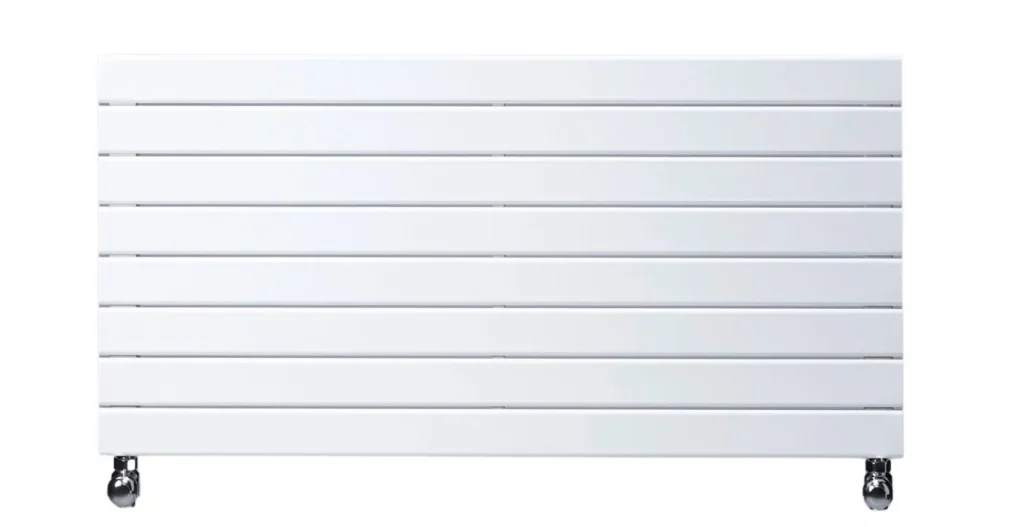
Hydronic heating panels represent an advanced solution for efficient and sustainable heating. By utilising water as a medium for heat transfer, these panels ensure consistent and uniform warmth throughout a space. They operate based on the natural properties of water, which efficiently absorbs and retains heat, making the process both reliable and energy-efficient. With the growing emphasis on reducing carbon emissions, hydronic thermal panels provide an environmentally friendly alternative to traditional systems. Their compatibility with renewable energy sources further enhances their appeal.
The Mechanics behind Hydronic Thermal Panels
Hydronic thermal panels function through an efficient process of transferring heat via water. The system relies on water’s high thermal capacity to absorb, retain, and distribute heat effectively. Heated water is circulated through a network of pipes, often integrated within floors or walls, enabling uniform heat dispersion across the space. This circulation ensures consistent temperatures without noticeable fluctuations. The system operates quietly and avoids reliance on air movement, which can lead to issues such as dust circulation.
Hydronic panels are compatible with various heat sources, including renewable options like solar or geothermal energy, further enhancing their efficiency. The design and materials used in the panels contribute to optimising heat transfer while minimising energy loss. Their ability to deliver even heating makes them an attractive solution for maintaining a comfortable indoor environment efficiently and sustainably.
Environmental Benefits of Using Hydronic Thermal Panels
Hydronic thermal panels offer significant environmental advantages by reducing energy consumption and reliance on non-renewable resources. These systems utilise water’s natural thermal properties to deliver efficient heating, requiring less energy compared to conventional heating methods. Their compatibility with renewable energy sources, such as solar and geothermal systems, further enhances their sustainability. By operating efficiently and producing minimal greenhouse gas emissions, hydronic thermal panels align with global efforts to address climate change.
Additionally, the reduced dependency on fossil fuels contributes to conserving natural resources and supporting a cleaner energy transition. Their ability to integrate seamlessly with eco-friendly technologies underscores their role in promoting sustainable living practices. The environmentally conscious design of these systems not only benefits the planet but also reflects a growing commitment to energy-efficient solutions in modern building technologies.
Cost Efficiency and Savings with Hydronic Thermal Panels
Hydronic thermal panels offer a long-term cost-effective heating solution due to their energy-efficient design. By utilising water’s high thermal capacity, these systems reduce overall energy consumption, which can lead to noticeably lower utility expenses over time. Their ability to evenly distribute heat across a space minimises the need for supplementary heating, further decreasing energy usage.
The durable construction of hydronic thermal panels ensures a lengthy operational lifespan, reducing the frequency of replacements and associated costs. Minimal maintenance requirements also contribute to their economic appeal. Over the years, these savings can offset the initial investment.
Additionally, the compatibility of hydronic panels with renewable energy sources, such as solar systems, can further enhance savings by lowering reliance on traditional energy grids. This combination of efficiency, durability, and sustainability makes hydronic thermal panels a financially viable choice for long-term heating needs.
Comparing Hydronic Thermal Panels with Traditional Heating Systems
Hydronic thermal panels differ significantly from traditional heating systems in both design and operation. Traditional systems often rely on air circulation, which can lead to uneven heating and the spread of allergens. In contrast, hydronic panels use water to deliver consistent and uniform warmth, eliminating such concerns.
The energy efficiency of hydronic panels is another key distinction. They minimise heat loss through precise heat distribution, whereas traditional systems may experience inefficiencies during operation.
Additionally, the quiet operation of hydronic thermal panels offers an advantage over some conventional systems that generate noise during use. Their ability to integrate with renewable energy sources, such as solar power, enhances their sustainability. Traditional systems, by comparison, typically depend on non-renewable energy, which can contribute to higher emissions. These differences highlight the efficiency and environmental benefits of hydronic thermal panels over traditional heating options.
Installation Process for Hydronic Thermal Panels
The installation process for hydronic thermal panels involves several precise steps to ensure efficiency and functionality. It begins with a detailed assessment of the property to determine the optimal layout for the pipe network and panels. Professional installation is often preferred to guarantee adherence to safety regulations and proper system integration. However, for those with relevant expertise, installation can be undertaken independently, provided all necessary tools and materials are available.
Proper insulation of pipes is crucial to minimise heat loss and maintain efficiency. The placement of panels should align with the design specifications, ensuring compatibility with the chosen heat source. Thorough testing of the system after installation ensures that all components are functioning correctly. Regular inspection during the installation phase can help prevent potential issues and optimise the performance of the hydronic thermal panels from the outset.
Maintenance and Longevity of Hydronic Thermal Panels
Regular upkeep is crucial for ensuring the optimal operation and durability of hydronic thermal panels. Inspecting the system periodically helps identify issues such as blockages, leaks, or air trapped in the pipes that could hinder performance. Flushing the system at appropriate intervals is essential to remove debris and maintain efficiency. Corrosion checks are also vital to prevent long-term damage. Using high-quality antifreeze solutions in colder regions can safeguard the system against freezing. Ensuring proper insulation of pipes and connections minimises heat loss and improves energy efficiency.
Engaging qualified professionals for scheduled maintenance can help preserve the system’s functionality. Consistently adhering to these measures allows hydronic thermal panels to deliver reliable and sustainable heating for extended periods without unnecessary interruptions.
Technological Advances in Hydronic Thermal Panels
Technological advancements in hydronic thermal panels have significantly refined their efficiency and practicality. Innovations in material science have led to the development of lightweight and highly conductive materials, improving heat transfer rates and reducing energy consumption. Smart control systems now allow for precise temperature adjustments, enabling optimised energy use and enhanced comfort. The incorporation of advanced heat exchangers and integration with renewable energy systems, such as solar collectors, further enhances their performance.
Modern designs focus on minimising energy loss while maximising output, aligning with sustainability goals. Research into self-regulating systems has introduced the potential for adaptive performance based on real-time environmental conditions. These innovations reflect the growing emphasis on creating sustainable and technologically advanced heating solutions.
Market Availability of Hydronic Heating Panels for Sale
Hydronic heating panels for sale are widely accessible in regions focusing on energy-efficient and sustainable heating solutions. Availability often correlates with areas that have adopted renewable energy initiatives or government-backed incentives promoting eco-friendly technologies. Suppliers and distributors cater to various requirements, offering panels in diverse sizes and specifications to accommodate different property types and heating needs. The expanding global demand for environmentally conscious systems has driven growth in manufacturing, ensuring broader distribution.
Markets prioritising low-carbon heating options tend to provide a broader selection of these systems. Factors such as local climate, energy regulations, and infrastructure influence the prevalence and variety of hydronic thermal panels available. This growing accessibility reflects the increasing importance of sustainable energy technologies in modern construction practices.
Understanding the Hydronic Heating Panels Price Range
The hydronic heating panels price range is influenced by factors such as size, material quality, and system design. More advanced panels or those featuring innovative technologies may fall within higher price brackets due to enhanced performance and efficiency. Installation costs can also vary, depending on the complexity of the project and local labour rates. Regional energy policies and market dynamics further affect pricing, with certain areas offering more competitive rates due to increased demand.
Maintenance and operational costs should also be considered when assessing overall expenditure, as energy-efficient designs may reduce long-term expenses. Comparing specifications and understanding specific heating requirements can help determine the most suitable option within the available budget for these systems.
Government Incentives and Rebates for Hydronic Thermal Panels
Various governments have introduced schemes to encourage the adoption of hydronic thermal panels as part of their efforts to promote sustainable energy practices. These programmes often include financial incentives, tax credits, or rebates to reduce the upfront costs of installation. Eligibility criteria for such schemes typically depend on factors such as regional policies, property type, and adherence to energy-efficiency standards. Some initiatives also support integration with renewable energy sources, further enhancing the economic appeal of these systems.
By facilitating affordability, these incentives aim to accelerate the transition towards low-carbon heating technologies. Information on available programmes is usually accessible through local authorities or energy regulatory bodies, ensuring greater awareness and participation in sustainable energy advancements.
Future Prospects of Hydronic Thermal Panels
Advancements in hydronic thermal panel technology are anticipated to enhance efficiency, sustainability, and adaptability in heating systems. Research into innovative materials aims to improve heat transfer while reducing energy loss, contributing to greater performance. The integration of smart technologies, such as automated controls and energy monitoring, is expected to optimise system operation further.
As renewable energy adoption increases, hydronic panels are likely to see enhanced compatibility with diverse energy sources. Global efforts to meet stricter environmental regulations and carbon reduction goals suggest continued growth and refinement, positioning hydronic thermal panels as a cornerstone of sustainable building technologies in the years ahead.
Conclusion
Hydronic heating panels offer an advanced, sustainable, and highly efficient heating solution for residential and commercial properties across Australia. Utilizing water’s exceptional thermal capacity, these systems deliver uniform, consistent warmth without dry air circulation or airborne dust movement. Their seamless integration with renewable energy sources, such as solar heat pumps or geothermal units, significantly lowers carbon emissions and ongoing utility costs. Engineered with durable, corrosion-resistant materials and smart controls, hydronic systems require minimal upkeep while providing exceptional operational longevity. Ultimately, investing in hydronic thermal heating ensures superior indoor comfort, enhanced energy efficiency, and long-term financial savings for eco-conscious property owners.
FAQs
How do Hydronic heating panels work to heat a space?
Hydronic heating panels operate by circulating heated water through a sealed pipe network embedded within walls, floors, or surface panels. The high thermal mass of water absorbs, retains, and evenly distributes radiant heat into the room without relying on forced air fans. This creates a quiet, dust-free environment with consistent warmth throughout Australian homes.
Are hydronic thermal panels compatible with renewable energy systems?
Yes, hydronic thermal panels integrate seamlessly with various sustainable heat sources, including solar hot water systems, geothermal heat pumps, and modern energy-efficient electric heat pumps. Combining hydronic panels with renewable energy technologies drastically reduces household reliance on fossil fuels, minimizes grid electricity consumption, and maximizes overall long-term environmental and financial savings.
How does hydronic heating compare to traditional air convection systems?
Unlike forced-air convection systems that create draughts, blow allergens, and cause uneven room temperatures, hydronic thermal panels deliver gentle, silent radiant warmth. Water transfers heat far more efficiently than air, eliminating energy loss through leaky ductwork, preserving natural indoor humidity levels, and ensuring superior thermal comfort across living spaces in Australia.
What maintenance do hydronic thermal heating systems require?
Hydronic thermal panel systems require very little routine maintenance due to their sealed, durable construction. Periodic inspections should focus on checking system pressure, bleeding trapped air from radiators, inspecting connections for leaks, and ensuring correct anti-corrosion fluid levels. Professional servicing every few years guarantees optimal performance, high energy efficiency, and extended system longevity.
Are government rebates available for installing hydronic thermal panels?
Yes, various state and federal energy efficiency initiatives across Australia provide financial rebates, grants, or incentives for installing eco-friendly hydronic heating systems. Properties transitioning to energy-efficient heat pump-driven hydronic systems often qualify for government schemes designed to reduce upfront installation expenses, lower national carbon footprints, and promote sustainable household energy use.
| Related Business Listings |
| Contact Directory |
| Local Business Profiles |