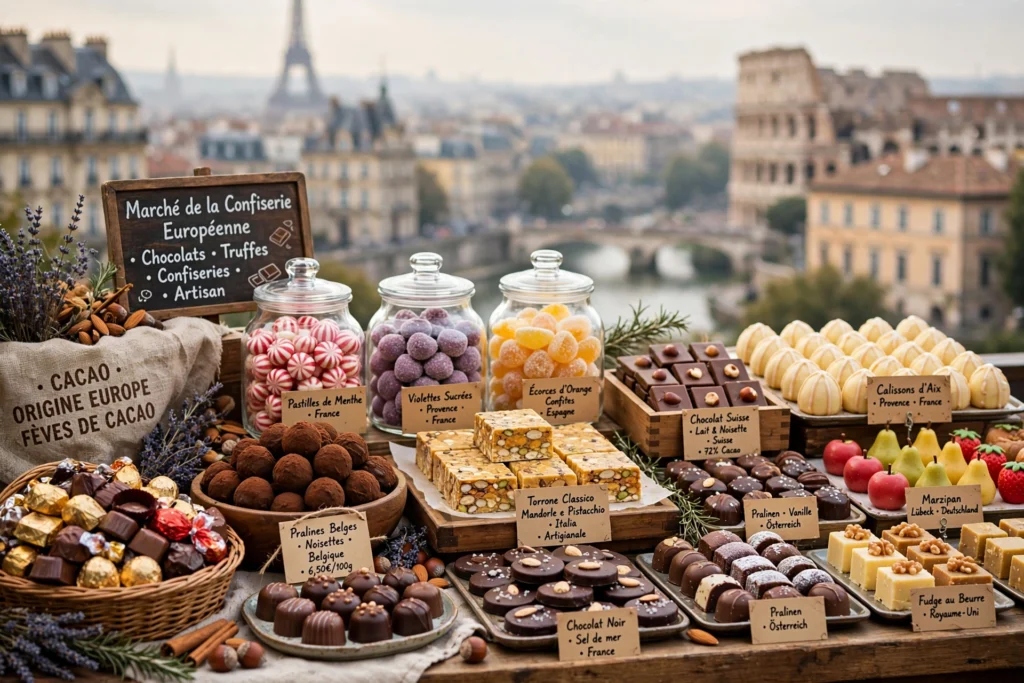
The European appetite for sweets remains a cornerstone of its culinary culture. From artisanal Belgian pralines to Germany’s robust chocolate industry, confectionery is more than just a snack—it is a tradition deeply embedded in festivals, gift-giving, and daily indulgence. According to recent market analysis, the European market for confectionery products is poised for consistent expansion, projected to reach a valuation of US$ 102.91 billion by 2034, up from US$ 70.94 billion in 2025. This represents a steady compound annual growth rate (CAGR) of 4.22% over the forecast period of 2026 to 2034.
Understanding the Europe Confectionery Landscape
Confectionery in Europe encompasses a diverse range of sugar-based and cocoa-based items, including chocolates, caramels, toffees, gummies, chewing gums, and specialized bakery goods. The market is broadly categorized into chocolate confectionery and sugar confectionery.
European consumers across all age demographics view these products as essential components of celebrations. During key festive windows—specifically Christmas, Easter, Halloween, and Valentine’s Day—sales volumes surge as consumers seek out premium, decorative, and giftable items. This predictable seasonality allows manufacturers to optimize production cycles and marketing spend, solidifying the industry’s economic resilience.
Key Growth Drivers Shaping the Market
Several structural shifts are currently accelerating the growth of the European confectionery sector. Understanding these drivers is essential for stakeholders looking to navigate the competitive landscape.
1. The Surge in Premium and Artisanal Demand
Modern European consumers are increasingly trading quantity for quality. There is a distinct shift toward premium chocolate and sweets crafted with high-quality, ethically sourced ingredients. This trend is fueled by:
-
Ethical Consumption: Demand for fair-trade, single-origin, and organic cocoa is at an all-time high.
-
Craft Collaborations: Brands are partnering with high-end chefs and local artisans to create limited-edition seasonal items. For instance, Neuhaus of Belgium’s collaboration with Michelin-starred Chef Tim Boury for seasonal bûche products highlights the value of culinary craftsmanship.
-
Cultural Heritage: Countries with rich confectionery histories, such as Switzerland, Belgium, and France, leverage their reputation to command higher price points for “heritage” products.
2. Predictable Seasonal and Festive Consumption
Seasonal cycles remain the heartbeat of the European market. Holidays act as a catalyst for impulse buying and luxury gifting. Manufacturers capitalize on this by releasing exclusive packaging and flavor profiles—such as specialized Easter eggs infused with calamansi or blood orange. In Germany, where per capita chocolate consumption reaches approximately 11.9 kilograms annually, seasonal SKU rationalization is critical to meeting high demand without disrupting supply chains.
3. Innovation in Health-Oriented Alternatives
Health consciousness is no longer a niche segment; it is a market imperative. To counter rising concerns regarding obesity and diabetes, manufacturers are aggressively innovating:
-
Sugar Reduction: Reformulating recipes to include natural sweeteners or low-sugar alternatives.
-
Plant-Based Shift: 2025 saw major milestones, such as Ferrero launching a plant-based version of Nutella in Italy and Belgium.
-
Functional Ingredients: The rise of vitamin-enhanced gummies and oral-care chewing gums demonstrates the industry’s pivot toward “permissible indulgence.”
Major Market Challenges
Despite optimistic growth forecasts, the industry faces significant headwinds that require strategic mitigation.
-
Stringent Sugar Regulations: European governments are implementing stricter health policies, including “sugar taxes” and bans on marketing high-sugar products to children. These regulations compress profit margins by forcing costly R&D and product reformulation.
-
Raw Material Price Volatility: The cost of core ingredients like cocoa, dairy, and sugar is subject to extreme fluctuations caused by climate change, geopolitical instability, and logistics disruptions. Companies often struggle to pass these costs to consumers without risking a drop in demand due to price elasticity.
Regional Market Analysis
The European market is not monolithic; consumption habits and production strengths vary significantly by region.
Germany: The Powerhouse
Germany stands as the largest confectionery market in Europe, characterized by immense production capacity and an export-oriented business model. German consumers show a strong preference for premium and sugar-free options. The country serves as a hub for innovation, with industry giants like Nestlé continuously testing new concepts—such as their 2026 launch of products utilizing cocoa substitutes from Planet A Foods.
United Kingdom: The Snacking Culture
The UK maintains a robust “snacking culture,” driving high demand for chocolates and gums. Retail evolution has been key here, with supermarkets, convenience stores, and online platforms creating a frictionless buying experience. Private-label products play a vital role in attracting price-sensitive consumers, while sustainability certifications are increasingly a “must-have” for mainstream brands.
France: Culinary Excellence and Craft
In France, the market is defined by an uncompromising standard of quality. Consumers favor artisan chocolatiers and gourmet sweets, often choosing products for their luxury appeal. Seasonal gifting remains the primary driver of revenue, and the integration of brands into major cultural events—such as Mars’ M&M’S sponsorship of the Tour de France—demonstrates how brands maintain high visibility in a competitive environment.
Russia: Value and Accessibility
The Russian market leans heavily toward affordability. While there is a growing appetite for luxury imports in major cities, the mass market remains focused on domestic production and competitively priced chocolates and biscuits. The expansion of retail networks across the country has been the primary engine for recent market growth.
Strategic Outlook: Distribution and Innovation
The shift toward Online Retail Stores has permanently altered the distribution landscape. E-commerce allows brands to reach consumers directly, offering subscription models for artisanal chocolates and convenience for bulk festive purchases. Digital marketing and social media-driven campaigns have become essential tools for brands to bypass traditional shelf-space limitations and build direct consumer loyalty.
Looking ahead to 2034, the winners in the European confectionery space will be those who successfully balance traditional indulgence with modern health demands. Whether through sustainable packaging, plant-based reformulations, or the digital transformation of the retail experience, companies must remain agile to capture the projected US$ 102.91 billion opportunity.
Frequently Asked Questions (FAQs)
1. What is the current size and future forecast of the European confectionery market? The market is valued at US$ 70.94 billion in 2025 and is expected to grow to US$ 102.91 billion by 2034, expanding at a CAGR of 4.22%.
2. Which countries are the largest consumers of confectionery in Europe? Germany is the largest market due to its high production capacity and per capita consumption. The UK and France are also major markets, driven by strong snack cultures and a preference for artisanal products, respectively.
3. Why is the “premium” segment growing so rapidly in Europe? Consumers are increasingly prioritizing quality over quantity, seeking ethically sourced, organic, and artisanal products that offer a superior “experience” for gifting and personal indulgence.
4. How are health regulations affecting confectionery manufacturers? Governments are imposing sugar taxes and marketing restrictions, forcing companies to invest in R&D to create lower-sugar, vegan, and functional alternatives to maintain profitability.
5. How has the COVID-19 pandemic changed the confectionery retail landscape? The pandemic accelerated the adoption of online retail models. Today, consumers prefer the convenience of home delivery and digital subscription services for their confectionery needs.
6. What are the biggest threats to the European confectionery industry? The primary challenges include volatile raw material prices (cocoa and sugar), supply chain disruptions, and the need to navigate strict government regulations regarding health and obesity.
7. Are plant-based options becoming popular in the European market? Yes, demand is rising significantly. Major brands like Ferrero have already begun introducing plant-based versions of iconic products to cater to the growing vegan and flexitarian demographic.