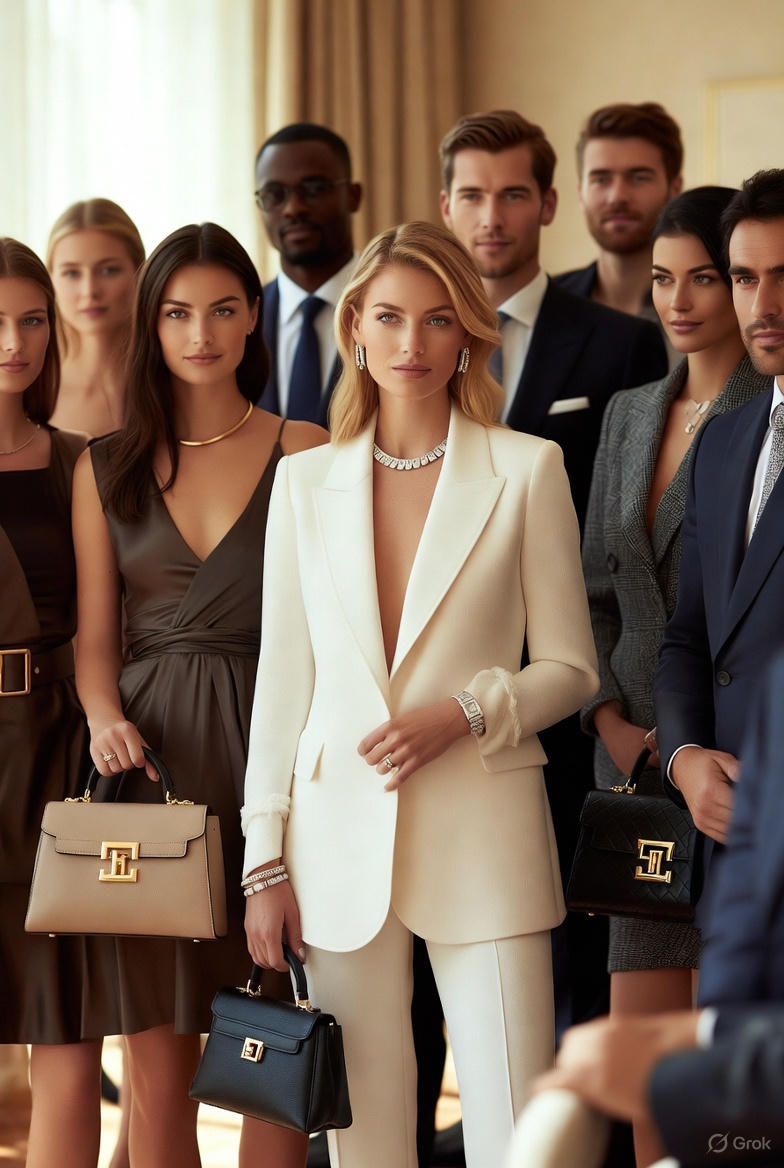
Luxury loyalty is no longer built on points, discounts, or transactional rewards. In today’s premium market, loyalty is defined by access, intimacy, and experience. As luxury consumers become more selective and value-driven, exclusive membership models are emerging as one of the most effective luxury loyalty strategies.
Rather than asking customers to buy more, luxury brands are inviting them to belong.
Why Traditional Loyalty Programs Don’t Work for Luxury
Conventional loyalty programs were designed for frequency-based consumption. Luxury, however, operates on entirely different principles.
Luxury consumers are not motivated by:
- Discounts
- Accumulated points
- Mass-market incentives
Instead, they value:
- Recognition
- Personal connection
- Access to what others can’t see or reach
This is why luxury loyalty programs are evolving away from transactional rewards and toward membership-driven ecosystems that reward trust, longevity, and emotional investment.
Understanding Exclusive Membership Models in Luxury
Exclusive membership models are structured around access rather than incentives. They create private layers within a brand—spaces where select customers receive elevated experiences, personalized interactions, and insider privileges.
These models often include:
- Invitation-only memberships
- Tiered access based on relationship, not spend alone
- Curated experiences unavailable to the general public
Luxury brands use membership to shift the relationship from customer to insider.
Loyalty as Emotional Connection, Not Repeat Purchase
Luxury customer loyalty strategy is deeply emotional. The strongest luxury brands are those that make customers feel understood, valued, and part of a story.
Exclusive memberships foster emotional loyalty by:
- Recognizing individual preferences
- Creating continuity in the brand relationship
- Offering experiences that feel personal, not promotional
This emotional bond often lasts longer than product-based loyalty—and it’s far harder for competitors to replicate.
Access-Based Luxury: The New Status Symbol
In modern luxury, ownership is no longer the highest form of status—access is.
Access-based luxury includes:
- Private events and previews
- Early or limited releases
- Direct interaction with designers, founders, or curators
Luxury membership programs redefine exclusivity not through price, but through participation. Being part of something private carries more cultural value than owning something visible.
The Role of Storytelling in Membership-Led Loyalty
Exclusive memberships only work when they are rooted in meaning. Without a narrative, exclusivity feels arbitrary.
This is where brands often collaborate with a luxury brand storytelling agency to ensure that membership programs align with brand values, heritage, and long-term vision.
Storytelling gives membership purpose by:
- Explaining why access exists
- Defining what members represent
- Reinforcing emotional significance
Membership becomes an extension of the brand’s story—not just a retention tool.
Personalization as the Foundation of Luxury Loyalty
Personalization is no longer a competitive advantage in luxury—it’s an expectation.
Luxury membership models enable:
- Tailored communication
- Curated recommendations
- Experiences designed around individual lifestyles
This level of personalization requires thoughtful brand infrastructure and strategic alignment, often guided by a luxury branding agency canada that understands both premium positioning and customer psychology.
When personalization feels intuitive rather than intrusive, loyalty deepens naturally.
Experiential Loyalty Over Transactional Rewards
Experiential loyalty replaces rewards with moments.
Examples include:
- Private dinners or cultural events
- Invitation-only travel or lifestyle experiences
- Exclusive digital communities
Experiential loyalty programs are not scalable in a traditional sense—and that’s exactly what makes them powerful. Scarcity and intimacy reinforce luxury value.
Membership Models in the Digital Luxury Era
Digital platforms have expanded how luxury memberships operate.
Luxury brands now use digital ecosystems to:
- Manage private communities
- Deliver exclusive content
- Integrate commerce with access
Brands often work alongside an E-Commerce Marketing Agency in Canada to ensure that digital membership experiences remain seamless, premium, and aligned with brand standards.
Digital does not replace physical luxury—it enhances continuity between touchpoints.
The Canadian Perspective on Luxury Loyalty
Luxury consumers in Canada tend to value discretion, consistency, and authenticity. Flashy loyalty tactics often feel out of place.
Successful luxury loyalty strategy in Canada focuses on:
- Quiet exclusivity
- Relationship-driven engagement
- Long-term trust over short-term activation
This makes membership models particularly effective in the Canadian luxury landscape.
Measuring Success Beyond Retention Metrics
Luxury brands do not measure loyalty purely by repeat purchase rates.
Instead, success is reflected in:
- Depth of brand advocacy
- Longevity of customer relationships
- Willingness to participate, not just buy
Exclusive membership models build long-term brand equity—often invisible in short-term metrics but powerful over time.
Designing Membership Models That Feel Authentic
Not every luxury brand should launch a membership. The model must align with brand DNA.
Key questions to consider:
- Does exclusivity make sense for our brand?
- What kind of access truly adds value?
- How do we maintain intimacy as we grow?
When designed thoughtfully, membership becomes a strategic asset rather than a marketing tactic.
Final Thoughts: Loyalty Through Belonging
Exclusive membership models represent a fundamental shift in how luxury brands build loyalty.
Luxury loyalty is no longer earned through incentives.
It’s built through trust, access, and emotional connection.
The brands that succeed will not chase retention—they will cultivate belonging.