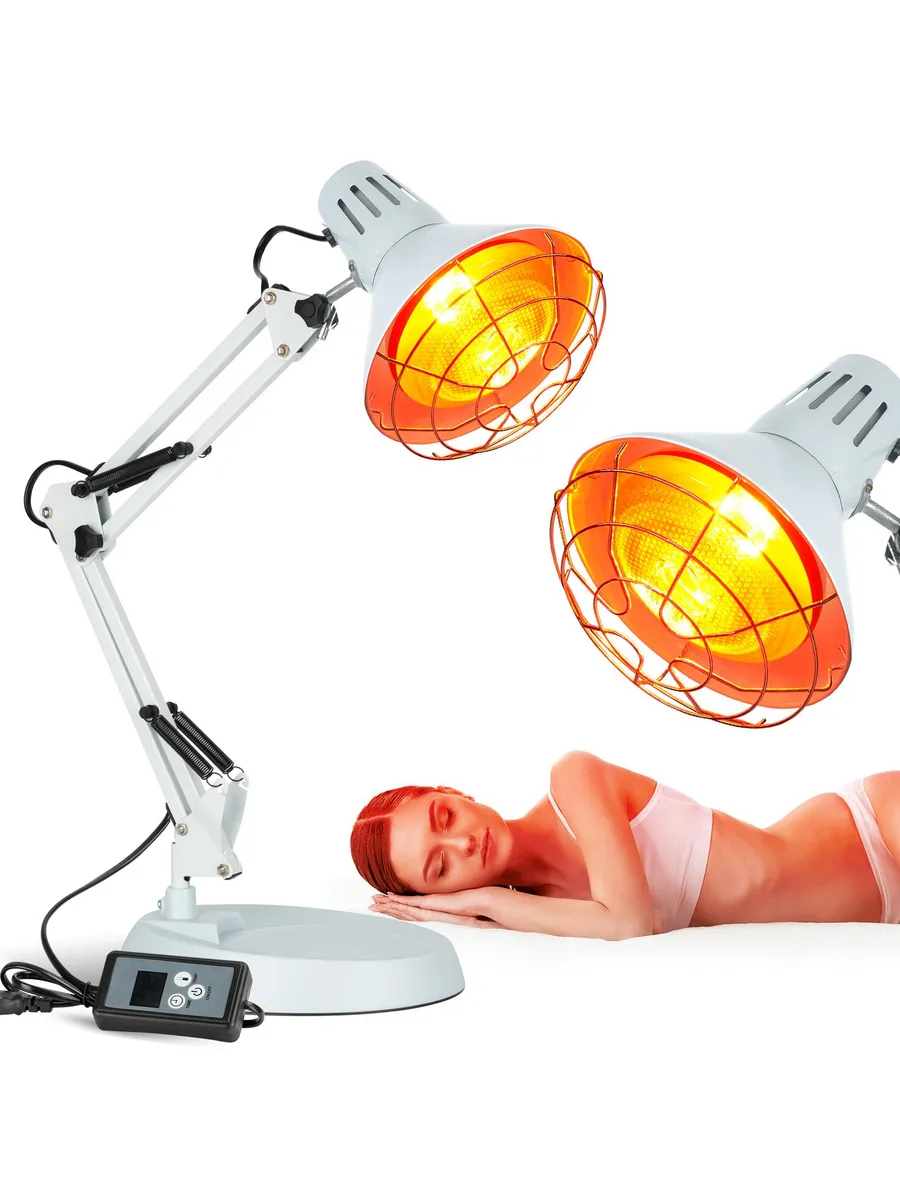
Infrared heat light provides warmth by using infrared radiation to heat objects and surfaces directly rather than primarily warming the surrounding air. This process resembles the natural warmth produced by sunlight, creating a comfortable and consistent source of heat for different environments. Infrared heating can be adapted to various applications, ranging from residential spaces to larger industrial settings. Its quiet operation and efficient heat delivery, along with its potential to reduce unnecessary energy use, have contributed to its increasing popularity. Since this heating method does not rely on circulating warm air, it can also help limit the movement of dust and airborne allergens, supporting a cleaner and more comfortable indoor atmosphere.
How Infrared Heating Light Converts Radiation into Warmth
Infrared heating light operates by emitting infrared radiation, a form of electromagnetic energy that travels through space as waves. When this radiation reaches objects, materials, and surfaces, it is absorbed and converted into thermal energy. Unlike convection-based heating systems that primarily warm surrounding air, infrared technology delivers radiant heat directly to targeted areas. The resulting warmth is comparable to the natural heat of sunlight, without exposure to ultraviolet radiation. This direct heating process can improve energy use while providing faster and more focused warmth.
Infrared radiation can also transfer heat effectively across surfaces, helping create consistent thermal conditions in different environments. This characteristic contributes to its versatility, supporting applications that range from residential heating to specialised industrial processes where controlled and targeted heat is required.
Maximising Energy Use with Infrared Heating Light
Infrared heating light can provide targeted warmth while limiting unnecessary energy consumption. Instead of relying on heated air to distribute warmth throughout a space, infrared technology transfers heat directly to objects and surfaces, which can retain thermal energy for longer periods. This direct transfer can reduce the time and energy required to achieve comfortable conditions.
The technology can also help limit certain forms of heat loss, particularly when warmth is required in specific areas rather than across an entire room. By directing heat where it is needed, infrared systems can support more controlled energy use. This makes them a practical heating option for applications seeking effective performance alongside reduced energy consumption and potential financial and environmental advantages.
Sustainability Benefits of Infrared Heating Light
Infrared heating light can contribute to more sustainable heating practices through its efficient approach to energy use. By transferring heat directly to objects and surfaces, the technology can reduce unnecessary energy waste and lower overall power requirements. Reduced energy demand may also decrease emissions associated with electricity generation, supporting a lower environmental impact compared with less efficient heating approaches.
Lower consumption can help conserve energy resources while supporting broader efforts to reduce environmental pressures and address climate-related concerns. Infrared heating therefore provides an alternative approach to maintaining comfortable indoor conditions across residential, commercial, and industrial environments while promoting more responsible and efficient energy use.
Health Benefits of Infrared Heating Light
Infrared heating light offers potential advantages for overall well-being by delivering warmth that penetrates deeply into the body. This deep heat can help to relax muscles and alleviate tension, making it a suitable option for easing stiffness or discomfort. Its ability to provide consistent and gentle heat may also support improved blood circulation, which is beneficial for maintaining cardiovascular health.
Furthermore, because it does not rely on air circulation, this type of heating can improve indoor air quality by minimising the movement of allergens and dust particles. The lack of noise during operation further enhances comfort, creating a soothing, tranquil environment in both residential and professional spaces.
Applications in Residential Spaces
Infrared heating light is widely valued in residential spaces for its ability to deliver targeted, efficient warmth. Its unobtrusive design allows for versatile installation, including wall-mounted or ceiling-mounted options, making it suitable for a range of interiors. It is commonly used in spaces like bathrooms, where immediate heat is preferred, or conservatories and patios, where maintaining warmth can be challenging with traditional methods.
The technology also offers zoned heating, allowing specific areas of a home to be heated independently. This precision helps reduce energy use while maintaining comfort. Additionally, the absence of moving parts ensures quiet operation, contributing to a serene environment ideal for domestic settings.
Industrial Applications Where Infrared Heating Light Delivers Value
Infrared heating light is used across various industrial environments where controlled and efficient heat delivery is required. It is particularly useful for processes such as drying, curing, and material heating, where consistent temperature distribution can influence production quality. Manufacturing, automotive, and food processing facilities can benefit from rapid heat delivery, helping support smoother and more efficient production processes.
Infrared systems can direct heat towards specific areas, helping minimise unnecessary energy consumption and improve operational efficiency. In applications involving materials, coatings, or finishes that can be affected by temperature changes, the controlled nature of infrared heating provides greater precision and consistency.
The contact-free operation of infrared technology also makes it suitable for environments where reduced contamination is important. This characteristic can be beneficial in sterile areas and specialised industrial processes, expanding the range of applications where infrared heating can be effectively implemented.
Essential Precautions for Using Infrared Heat Light
Infrared heat light systems require appropriate precautions to support safe and reliable operation. These units can reach high temperatures during use, making careful positioning important to reduce the possibility of accidental contact, particularly in areas accessible to children or pets. Suitable clearance from combustible materials should also be maintained, as concentrated heat can create a fire hazard when equipment is incorrectly positioned.
Many contemporary systems incorporate safety features such as thermal cut-offs and overheat protection to help reduce operational risks. Regular inspection and maintenance can further identify potential electrical problems or dust accumulation that may affect performance and safety. Following recommended installation procedures and operating instructions is essential for maintaining safe and dependable use.
Setting Up Infrared Heating Light for Effective Performance
Correct installation of infrared heating light systems is important for achieving efficient heat distribution and maintaining safe operation. Depending on the system design and application, units may be mounted on walls or ceilings to provide suitable coverage. Appropriate clearance around the equipment helps prevent overheating while allowing heat to be distributed effectively. Electrical connections should also be installed correctly, with voltage and load requirements carefully observed to meet relevant safety requirements.
An experienced technician can assess the space and determine suitable positioning based on heating requirements and efficiency goals. Secure mounting is equally important to prevent movement or accidental displacement during operation. Manufacturer installation instructions should always be followed to preserve the system’s performance, safety, and long-term functionality.
Cost Analysis of Infrared Heating Light Systems
The financial considerations associated with infrared heating light systems include installation, operational efficiency, and potential savings. While initial costs may appear higher than traditional heating solutions, the long-term savings from their energy efficiency can be significant. Their targeted heating capability reduces unnecessary energy use, lowering utility expenses over time.
Additionally, their minimal maintenance requirements contribute to cost-effectiveness, as they are less prone to wear and tear. Infrared systems are also designed to last for extended periods, further enhancing their value over time. When evaluating overall expenses, the balance between upfront investment and operational benefits often makes these systems a practical, economical choice for various heating applications.
Keeping Infrared Heating Light Systems in Good Working Order
Infrared heating light systems generally require limited maintenance because they contain few complex moving components. Periodic cleaning of heating elements and nearby surfaces helps prevent dust and debris from building up and interfering with performance. Electrical connections should also be inspected regularly to support safe and consistent operation. Checking for visible signs of deterioration, including discolouration or damage around heating components, can help identify developing problems at an early stage.
Maintenance routines can also include testing integrated safety features, such as overheat protection, to confirm they continue functioning correctly. Adhering to manufacturer-recommended servicing and care procedures helps preserve system efficiency, operational safety, and service life across residential and professional applications.
New Features Shaping Infrared Heating Technology
Recent developments in infrared heating light technology have improved both operational efficiency and user control. Contemporary systems use enhanced heating elements manufactured from durable materials, helping optimise heat transfer while supporting longer service life. Improved control functions, including programmable timers and adjustable temperature settings, also provide greater accuracy when managing heat output.
Integration with smart technology allows some systems to be controlled remotely through mobile devices, adding convenience and flexibility across different applications. Safety has also progressed through features such as advanced thermal sensors and automatic shut-off functions that help manage operating risks. These innovations continue to expand the practical applications of infrared heating, supporting efficient and adaptable heating solutions across a variety of environments.
Conclusion
Infrared heat light systems offer a highly efficient, modern approach to climate control across Australian homes and businesses. By emitting electromagnetic waves that warm objects and surfaces directly rather than heating the surrounding air, these systems eliminate drafts and minimise energy waste. Their silent operation, health benefits through deep radiant warmth, and compatibility with sustainable energy sources make them an eco-friendly and cost-effective choice. Eventually, infrared heating solutions represent an advanced, reliable method for achieving superior thermal comfort while aligning with contemporary energy conservation goals throughout Australia.
FAQs
What is Infrared heat light and how does it work?
Infrared heat light uses electromagnetic energy waves that travel directly towards objects, surfaces, and materials, where the energy is absorbed and converted into heat. This radiant heating method can provide warmth without depending on continuous air circulation, creating an efficient and targeted heating approach.
How does infrared heating differ from conventional convection systems?
Conventional convection systems primarily warm surrounding air, which can result in heat movement, temperature variations, and the circulation of airborne dust. Infrared heating instead directs radiant energy towards surfaces and occupants, providing targeted warmth without relying on significant air movement.
What are the main benefits of infrared heating lights in residential spaces?
Infrared heating lights can provide targeted warmth while operating quietly and occupying minimal space when installed on walls or ceilings. Zoning options can allow individual areas to be heated as required, while reduced air movement may also help minimise the circulation of dust and airborne particles.
Do infrared heating light systems require frequent maintenance?
Infrared heating light systems generally require minimal routine maintenance because they do not rely on complex moving components, fans, or filters. Occasional gentle cleaning can help remove dust from heating surfaces, while periodic electrical inspections can support safe and reliable operation.
Are infrared heating systems suitable and cost-effective for long-term use?
Infrared heating systems can provide efficient targeted heating and may include safety features such as thermal cut-offs to help manage operating temperatures. While installation costs can vary, efficient use and room-specific heating may help reduce unnecessary energy consumption and ongoing heating expenses over time.
| Related Business Listings |
| Contact Directory |
| Local Business Profiles |