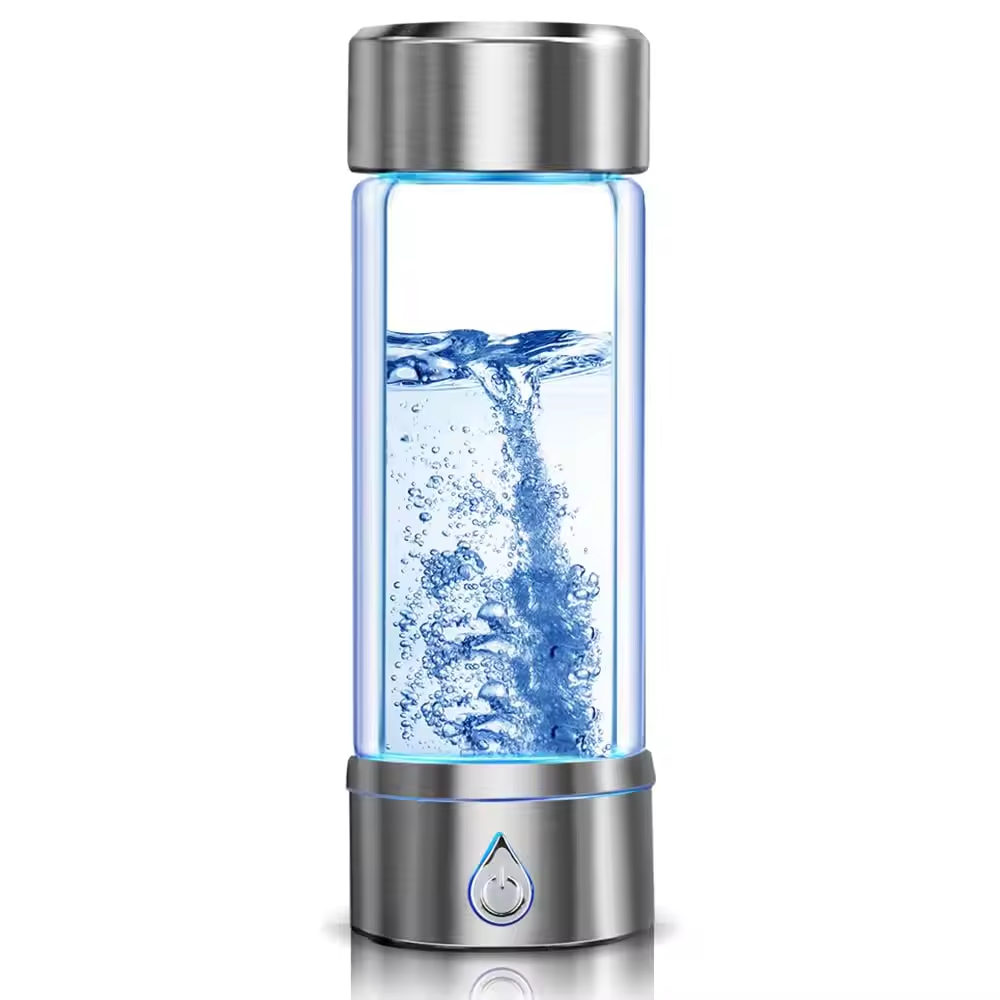
The growing focus on health and wellness has increased interest in advanced water purification technologies, particularly systems that incorporate hydrogen enrichment and alkaline water production. These technologies are designed to modify drinking water by introducing molecular hydrogen or adjusting its pH level to create more alkaline water. Both approaches appeal to individuals seeking specialised hydration solutions and exploring alternative ways to enhance their drinking water experience. Hydrogen water filters use specialised mechanisms to enrich water with molecular hydrogen, while alkaline water purification systems focus on modifying pH levels to reduce acidity. Understanding the science behind these processes provides useful insight into how the technologies function and their applications in modern hydration practices. As interest in advanced water purification continues to grow, hydrogen and alkaline systems are becoming increasingly recognised as innovative approaches to producing drinking water with distinct characteristics.
Understanding Hydrogen Water-Filters
Hydrogen water-filters operate through a sophisticated process that infuses water with molecular hydrogen, a gas known for its potential health benefits. These devices often utilise electrolysis, a method that separates water molecules into hydrogen and oxygen, allowing hydrogen to dissolve into the purified water.
The resulting hydrogen-rich water is produced without altering the water’s natural taste or composition. Such filters are designed to preserve the stability of hydrogen levels, ensuring effective delivery of molecular hydrogen. Advanced systems may include features to monitor and maintain hydrogen concentration, aligning with the goal of enhancing water quality. This innovative approach to water purification reflects the growing interest in functional water technologies aimed at addressing specific hydration needs.
Exploring the Potential Benefits of Hydrogen Water
Hydrogen water has attracted attention for its potential wellness benefits, which are primarily associated with the presence of molecular hydrogen. Research has explored the antioxidant properties of molecular hydrogen and its potential ability to interact with free radicals involved in oxidative stress. These characteristics have contributed to growing interest in hydrogen water as a specialised hydration option.
Preliminary research has also examined the possible anti-inflammatory effects of molecular hydrogen, along with its potential relationship with energy metabolism and physical recovery. Although research in these areas is still developing, the distinctive composition of hydrogen water continues to attract interest within the broader fields of hydration and wellness.
Understanding How an Alkaline Water Filter Works
An alkaline water filter uses specialised purification and water-treatment technology to alter the pH of water and produce a more alkaline composition. Some systems use electrolysis to separate water into alkaline and acidic streams, with the alkaline portion generally intended for drinking. Depending on the design, certain systems may also incorporate mineral components that contribute to the water’s mineral content and alkalinity.
The filtration and treatment process can also help improve the overall characteristics of the water by addressing impurities and adjusting its composition. Different systems use varying technologies and filtration stages, so the resulting water characteristics can depend on the specific configuration and source water. Understanding the purification process provides useful insight into how alkaline water systems are designed for everyday hydration.
Potential Advantages of Alkaline Water
Alkaline water has gained interest among individuals seeking alternative hydration options and exploring its potential role within a balanced lifestyle. Its higher pH distinguishes it from ordinary drinking water, although claims about broad health effects require careful consideration because scientific evidence remains limited for many proposed benefits.
Some research has explored whether alkaline water may influence hydration under particular circumstances, while other studies have investigated its potential relationship with digestive comfort and acid-related symptoms. However, alkaline water should not be regarded as a replacement for appropriate medical treatment or a balanced diet.
As research continues to examine the properties and potential effects of alkaline water, its role is best considered as part of a broader approach to hydration and healthy living. The quality of the source water, filtration process, and mineral composition are also important factors when evaluating an alkaline water system.
Comparing Hydrogen & Alkaline Water Purifiers
Hydrogen and alkaline water purifiers utilise distinct mechanisms to enhance water quality, catering to different hydration preferences. Hydrogen water purifiers incorporate molecular hydrogen into the water, which is valued for its potential antioxidant and anti-inflammatory properties. Alkaline water purifiers, on the other hand, focus on increasing the water’s pH level, aiming to reduce acidity and support pH balance in the body.
Both systems are designed to retain essential minerals, preserving the natural composition of water while offering enhanced hydration options. The technological approaches of these purifiers reflect varying objectives, with one prioritising molecular enrichment and the other pH modification. Choosing between the two depends on specific hydration needs, making both valuable in their own unique contexts.
Installation & Maintenance of Water Purifiers
Installing water purifiers involves connecting the device to the existing water supply, with powered units requiring appropriate electrical connections. These systems are often designed for straightforward setup, with minimal tools required for installation. Maintenance is essential to ensure consistent performance and water quality, typically involving regular filter replacement and cleaning to prevent blockages or contamination.
Components such as filter cartridges and electrolysis plates may have specific lifespans, necessitating timely servicing to maintain efficiency. Adhering to recommended maintenance schedules not only extends the longevity of the device but also ensures the purifier operates at its optimal capacity. Proper care and servicing help maintain the integrity of purification mechanisms, supporting the delivery of high-quality drinking water over time.
Cost of Water Purification Systems
The cost of water purifiers can vary considerably depending on the technology, capacity, construction quality, and features incorporated into each system. Hydrogen and alkaline models may have different price points because they use distinct purification and water-treatment processes. Additional functions, filtration stages, system capacity, and overall build quality can also influence the initial investment.
Although some advanced purifiers may require a higher upfront expenditure, factors such as durability, convenient access to treated water, and reduced dependence on bottled water can contribute to their long-term value. Ongoing expenses should also be considered, particularly filter replacements, routine maintenance, and electricity consumption where applicable.
Assessing the initial purchase price alongside operating costs, maintenance requirements, expected lifespan, and individual water-treatment needs can help determine whether a particular purifier provides suitable value over time.
Environmental Benefits of an Alkaline Water Machine
Hydrogen and alkaline water machine can provide a practical alternative to regularly purchasing single-use bottled water. Producing treated drinking water at home can help reduce reliance on plastic bottles, potentially lowering the amount of plastic waste generated through everyday hydration.
Using an in-home purification system can also reduce some of the environmental impacts associated with manufacturing, packaging, and transporting bottled water. Energy-efficient technologies incorporated into modern systems may further support responsible resource use, although the overall environmental impact depends on factors such as electricity consumption and product lifespan.
Responsible maintenance is equally important. Used filters and replaceable components should be disposed of or recycled according to applicable local requirements where recycling options are available. Combining efficient operation with appropriate disposal practices can help maximise the environmental advantages of reducing bottled-water consumption.
Maintaining Water Purifier Safety and Quality
Safety and quality considerations are important when selecting and operating a water purification system. Appropriate certifications and recognised testing standards can provide useful assurance that a purifier’s materials, filtration components, and electrical parts have been assessed against relevant safety requirements.
Quality considerations can include the system’s ability to perform its intended filtration or water-treatment functions, the durability of its components, and the reliability of its operating mechanisms. Depending on the system, testing may assess factors such as contaminant reduction, material safety, and electrical performance.
Regular maintenance and timely replacement of filters are also important for maintaining reliable operation. Following manufacturer instructions and applicable safety guidelines helps ensure that the purifier continues to function as intended. These measures contribute to a dependable water-treatment system while supporting consistent water quality.
Innovations in Modern Water Purification Technology
Advancements in water purification have introduced increasingly sophisticated features designed to improve the functionality, convenience, and efficiency of hydrogen and alkaline water systems. Modern technologies can include advanced electrolysis mechanisms for hydrogen enrichment and pH adjustment, alongside multi-stage filtration processes designed to address different types of impurities.
Smart features such as digital displays, sensors, automated controls, and system-monitoring functions can provide users with greater visibility over operating conditions. Energy-efficient designs may also help reduce electricity consumption while supporting practical everyday operation.
Some systems combine multiple filtration stages with mineral management to achieve specific water characteristics while maintaining convenient operation. Continued development is also focused on improving component durability, simplifying maintenance, and creating more compact designs suitable for contemporary kitchens and varied living environments.
Making the Right Decision
Selecting an appropriate water purifier involves considering factors such as the desired purification method, whether focused on molecular hydrogen enrichment or pH adjustment for alkalinity. Assessing the technological features available, including filtration mechanisms and additional functionalities, is essential in determining suitability. The expected long-term benefits, such as enhanced hydration & wellness, should align with individual health objectives.
Furthermore, evaluating maintenance requirements, operational costs, & environmental impact provides a comprehensive understanding of the system’s practicality. By analysing these elements, it becomes possible to identify a purifier that effectively balances advanced water treatment capabilities with specific lifestyle and hydration preferences.
Conclusion
Hydrogen water filters & alkaline water purifier machines represent significant advancements in home hydration technology. By using specialised electrolysis & mineral filtration systems, these devices deliver clean, mineral-rich drinking water tailored to specific health preferences. Hydrogen purifiers enrich water with molecular hydrogen to combat oxidative stress, while alkaline machines adjust pH levels to reduce acidity and support digestive balance. Furthermore, adopting on-demand water purification substantially reduces household reliance on single-use plastic bottles, supporting eco-friendly practices. Investing in a high-quality hydrogen or alkaline water purifier machine ensures long-term hydration, superior water quality, & sustainable health benefits for Australian households.
FAQs
What is the primary difference between a hydrogen water purifier and an alkaline water purifier machine?
A hydrogen water purifier is designed to enrich water with dissolved molecular hydrogen, while an alkaline water purifier machine primarily adjusts the water’s pH level through processes such as electrolysis. Hydrogen enrichment focuses on increasing dissolved hydrogen, whereas alkaline purification produces water with a higher pH. The two technologies therefore differ in their treatment methods and the characteristics of the resulting water.
How do hydrogen and alkaline water purifiers help reduce environmental waste?
Hydrogen and alkaline water purifier machines can reduce reliance on single-use plastic bottles by providing treated drinking water directly within the home. This can help decrease household plastic waste and reduce some environmental impacts associated with the production, packaging, and transportation of bottled water. Their overall environmental benefits also depend on factors such as energy consumption, filter replacement, product lifespan, and responsible disposal of used components.
Are hydrogen and alkaline water purifier machines safe for daily family consumption?
Hydrogen and alkaline water purifier machines can be suitable for everyday use when they are appropriately designed, maintained, and operated according to manufacturer instructions. Water quality depends on the source water, filtration technology, system condition, and maintenance practices. Regular filter replacement and proper cleaning are important for reliable operation. Individuals with specific health or dietary concerns should seek appropriate professional advice before making significant changes to their usual drinking water.
How often do filters and electrolysis components require maintenance?
Filter replacement intervals typically depend on household water usage and incoming water quality, usually ranging from six to twelve months. Electrolysis plates require occasional cleaning or automated self-cleaning cycles to prevent mineral scaling. Regular maintenance ensures optimal hydrogen concentration, correct pH adjustment, and consistent filtration performance over time.
Can you combine hydrogen enrichment and alkaline pH adjustment in one system?
Yes, several advanced water purification systems integrate both technologies into a single unit. These dual-function machines utilize multi-stage electrolysis and specialized mineral cartridges to simultaneously elevate the water’s pH level and infuse high concentrations of dissolved molecular hydrogen, delivering the combined health and antioxidant benefits of both systems.
| Related Business Listings |
| Contact Directory |
| Local Business Profiles |