Morocco has long been one of the world’s most cinematic countries. With its sweeping deserts, ancient medinas, dramatic coastlines, and well-developed film infrastructure, it has doubled for everything from ancient Rome to futuristic planets. Over the decades, countless movies made in Morocco have captivated global audiences—often without viewers realizing where the scenes were filmed.
In this guide, we’ll explore why Morocco is such a magnet for filmmakers, highlight iconic films set in Morocco, and look at how destinations like Essaouira blend cinema history with unforgettable travel experiences.
Why Morocco Is a Filmmaker’s Dream
Morocco offers a rare combination of visual diversity and practical advantages. Within a few hours’ drive, filmmakers can move from golden Sahara dunes to snow-capped Atlas Mountains, from labyrinthine medinas to windswept Atlantic beaches.
But scenery is only part of the story. Morocco has been welcoming international productions since the 1960s and boasts experienced local crews, reliable studios, and government support for foreign films. Cities like Ouarzazate—often called the “Hollywood of Africa”—are home to massive studios and standing sets used repeatedly in major productions.
This unique mix of beauty, logistics, and cinematic history explains why so many legendary movies made in Morocco continue to shape the country’s cultural reputation.
Iconic Movies Made in Morocco
Some of the most famous films in cinema history were partially or entirely shot in Morocco. Here are a few standouts:
Lawrence of Arabia (1962)
Many desert scenes were filmed in southern Morocco, where the vast landscapes perfectly captured the epic scale of the story. The film’s visual legacy still influences desert cinematography today.
Gladiator (2000)
While set in ancient Rome, large portions of Gladiator were filmed in Morocco, including scenes in Ouarzazate and Aït Benhaddou. The latter has become one of the most recognizable filming locations in the country.
Kingdom of Heaven (2005)
Ridley Scott used Moroccan cities and fortresses to recreate medieval Jerusalem. This is one of the most prominent films set in Morocco where the country’s architecture played a central role in storytelling.
The Mummy (1999)
Desert sequences were shot in Morocco, contributing to the film’s timeless, mystical atmosphere.
Mission: Impossible – Rogue Nation (2015)
High-adrenaline scenes were filmed in the Moroccan desert, proving the country’s ability to support modern, large-scale action productions.
Essaouira: A Coastal Star of the Silver Screen
When people think of films shot in Morocco, desert landscapes often come to mind—but the coastal city of Essaouira deserves special recognition.
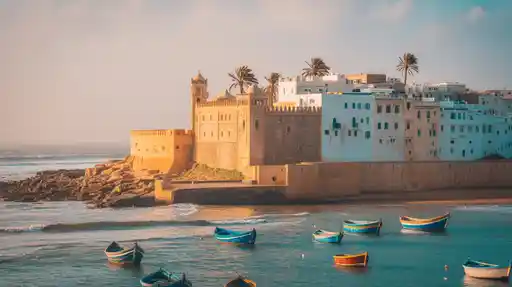
Essaouira’s whitewashed walls, blue shutters, and fortified ramparts make it visually distinct from other Moroccan cities. Its cinematic appeal has landed it roles in major productions, including:
-
Game of Thrones (as Astapor)
-
Kingdom of Heaven
-
Othello (1951)
What makes Essaouira particularly special is how seamlessly film history blends with everyday life. Visitors can walk through the Skala de la Ville and instantly recognize scenes from their favorite shows—without the city feeling staged or artificial.
Beyond the Camera: Essaouira Activities for Film Lovers
Film tourism doesn’t stop at sightseeing. Essaouira offers a wide range of experiences that deepen your connection to the place and its cinematic atmosphere.
Popular Essaouira activities include:
-
Walking the historic ramparts, where ocean waves crash dramatically against ancient stone walls
-
Exploring the medina, a UNESCO World Heritage Site filled with artisan workshops and film locations
-
Camel and horse rides on the beach, often used as backdrops for historical and fantasy scenes
-
Visiting local art galleries, inspired by the city’s long-standing creative culture
-
Enjoying fresh seafood by the port, where daily life unfolds just as it has for centuries
For travelers who love cinema, these experiences add context and authenticity to the films they admire.
Morocco as a Stand-In for the World
One fascinating aspect of films set in Morocco is how often the country represents somewhere else. Morocco has played ancient Egypt, biblical lands, the Middle East, Central Asia, and even alien planets.
This versatility is a testament to the country’s architectural variety and natural landscapes. A single Moroccan kasbah can convincingly appear as a medieval fortress, a desert palace, or a forgotten city from antiquity.
At the same time, an increasing number of filmmakers are choosing to portray Morocco as itself—celebrating its identity rather than disguising it.
The Growing Appeal of Film Tourism in Morocco
Today, film lovers from around the world travel specifically to see locations from their favorite movies. Morocco has embraced this trend, with guided tours, studio visits, and local guides who share behind-the-scenes stories from famous shoots.
For travelers, this means Morocco offers more than just beautiful sights—it offers stories, context, and a sense of connection to global cinema. Whether you’re exploring the dunes of the south or enjoying laid-back Essaouira activities, you’re often standing where cinematic history was made.
Final Thoughts
From epic desert dramas to blockbuster action films, Morocco has earned its place as one of the world’s most important filming destinations. The country’s landscapes, cities, and cultural depth continue to attract directors, actors, and film fans alike.
Whether you’re interested in classic cinema, modern blockbusters, or immersive travel experiences, discovering movies made in Morocco adds a powerful new dimension to your journey—and turns every location into a living scene from the silver screen.