Explore floor cranes manufacturing, types, applications, and key factors for selecting reliable industrial floor cranes for efficient material handling.
Floor Cranes Manufacturing: A Complete Guide to Industrial Lifting Solutions
Industrial lifting equipment plays an important role in modern manufacturing, warehousing, construction, and engineering operations. Businesses that regularly handle heavy machinery, metal components, industrial materials, and equipment require reliable lifting solutions to maintain productivity and workplace safety. Floor cranes are among the most useful material handling machines because they provide flexible lifting and movement capabilities across different industrial environments.
The growing demand for efficient lifting systems has made floor cranes manufacturing an important segment of the material handling equipment industry. Manufacturers are continuously developing advanced crane solutions that offer better load management, operational flexibility, and improved handling efficiency.
What Are Industrial Floor Cranes?
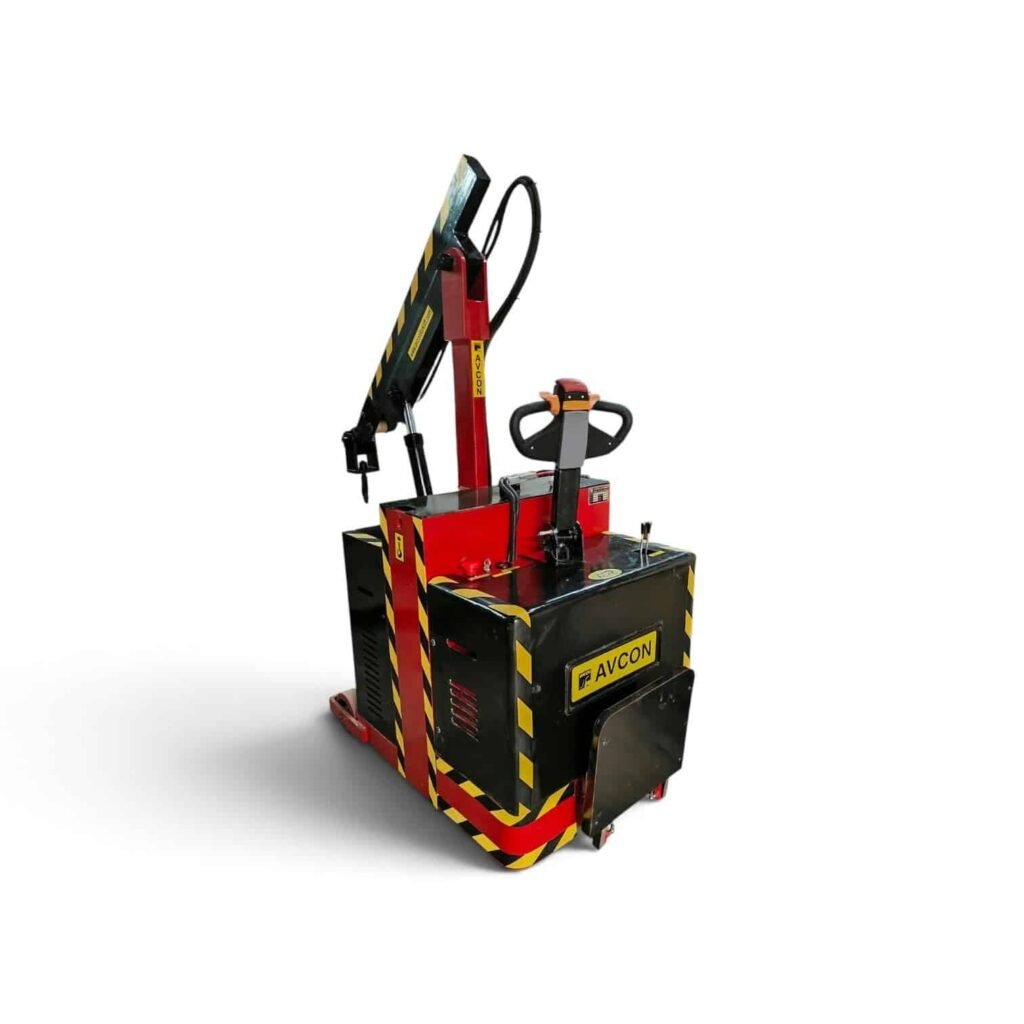
Industrial floor cranes are mobile lifting machines designed to lift, transport, and position heavy loads at ground level. Unlike permanently installed overhead cranes, floor cranes can move between different working areas, making them suitable for facilities where lifting requirements frequently change.
These machines are commonly used in manufacturing plants, automobile workshops, engineering units, warehouses, and maintenance facilities.
Depending on operational requirements, floor cranes are available in different configurations, including hydraulic floor cranes, battery-operated floor cranes, and electrically powered lifting systems.
Their compact design and mobility make them particularly useful in industrial spaces where fixed lifting equipment may not be practical.
Understanding the Floor Crane Manufacturing Process
Manufacturing a reliable floor crane involves several engineering and production stages. Every component must be designed and assembled carefully to ensure lifting stability, structural strength, and operational reliability.
Some important stages include:
1. Design and Engineering
The manufacturing process begins with understanding the customer’s lifting requirements. Engineers consider load capacity, lifting height, working conditions, available floor space, and mobility requirements.
Based on these factors, manufacturers develop a suitable crane design that meets the operational requirements of the facility.
2. Material Selection
Material quality directly affects the strength and durability of a floor crane. High-quality structural steel and suitable engineering components are selected to withstand the expected working loads.
The selection of hydraulic components, wheels, motors, batteries, and control systems also plays an important role in overall equipment performance.
3. Structural Fabrication
The crane frame, boom, supporting structure, and other major components are manufactured through cutting, welding, machining, and fabrication processes.
Proper fabrication helps maintain structural stability and ensures that the crane can operate reliably under its specified working conditions.
4. Hydraulic and Electrical Integration
Depending on the crane configuration, manufacturers integrate hydraulic lifting systems or electrical power systems.
Hydraulic systems provide controlled lifting capabilities, while battery-operated models can offer powered movement and lifting functions with reduced manual effort.
5. Testing and Quality Inspection
Before delivery, the equipment should undergo appropriate inspections and testing according to applicable safety standards and manufacturer specifications.
Important inspection areas include structural integrity, hydraulic performance, electrical connections, braking systems, load handling, and overall operational safety.
Different Types of Floor Cranes Used in Industries
Different industries have different lifting requirements. Therefore, manufacturers develop various floor crane configurations to support specific applications.
Hydraulic Floor Cranes
Hydraulic floor cranes use hydraulic pressure to lift and lower heavy loads. They are widely used in engineering workshops, maintenance departments, and industrial production facilities.
Their lifting mechanism makes them suitable for handling machinery, equipment assemblies, and heavy industrial components.
Battery-Operated Floor Cranes
Battery-operated floor cranes use rechargeable battery systems to power their lifting or movement functions, depending on the model.
These cranes can reduce dependence on manual operation and are useful in facilities where flexible equipment movement is required.
They are particularly suitable for industrial environments that want to improve handling efficiency and reduce physical effort.
Electric Floor Cranes
Electric floor cranes use powered systems for lifting operations. Depending on their design, they may include electric motors, control panels, and other electrical components.
They are commonly considered for applications involving repetitive lifting operations and demanding industrial workflows.
Custom-Built Floor Cranes
Some manufacturing facilities handle components with unusual dimensions, weights, or lifting requirements. Standard equipment may not always provide the required functionality.
Custom-built floor cranes can be designed according to specific operational requirements, including lifting height, load capacity, boom configuration, and available working space.
Applications of Floor Cranes in Different Industries
Floor cranes support a wide range of industrial operations. Their mobility and lifting capabilities make them useful in several sectors.
Automobile Manufacturing: Automotive facilities use floor cranes to handle engines, transmission assemblies, vehicle components, and heavy equipment during assembly and maintenance.
Engineering and Manufacturing: Engineering companies use floor cranes for lifting fabricated components, machine parts, metal assemblies, and production equipment.
Warehousing and Logistics: Floor cranes help move heavy materials and equipment between designated working areas, supporting material handling operations.
Aerospace Industry: Aerospace manufacturing involves handling precision-engineered components that may require specialised lifting arrangements and controlled positioning.
Maintenance Workshops: Maintenance teams use floor cranes to remove, install, and reposition heavy machinery components during repair and servicing activities.
Factors to Consider When Selecting a Floor Crane Manufacturer
Choosing the right manufacturer is essential for obtaining equipment that meets operational requirements.
Consider the following factors before making a purchasing decision:
- Load Capacity: Select a crane with an appropriate rated capacity for the intended lifting application.
- Lifting Height: Check whether the crane can achieve the required lifting height.
- Build Quality: Evaluate the structural materials, fabrication quality, and component specifications.
- Power Configuration: Choose between manual, hydraulic, battery-operated, or electric options based on operational needs.
- Safety Features: Consider overload protection, emergency controls, braking arrangements, and other relevant safety provisions.
- After-Sales Support: Check the availability of maintenance services, spare parts, technical assistance, and warranty support.
- Customisation: Choose a manufacturer capable of understanding specialised industrial lifting requirements.
A detailed evaluation of these factors helps businesses select equipment that supports long-term operational requirements.
Importance of Quality and Safety in Floor Crane Manufacturing
Quality and safety should remain priorities throughout the manufacturing process. Industrial lifting equipment must be designed and operated within its specified load capacity and working conditions.
Manufacturers should focus on structural strength, reliable lifting mechanisms, stable movement, and appropriate safety systems.
Regular inspections and preventive maintenance are equally important. Operators should receive proper training, follow the manufacturer’s operating instructions, and inspect equipment before use.
Businesses should also ensure that lifting operations follow applicable workplace safety requirements and relevant Indian standards.
Future Developments in Industrial Floor Crane Manufacturing
The material handling industry is gradually adopting more advanced technologies to improve industrial productivity.
Battery-powered equipment, improved hydraulic systems, ergonomic controls, and customised lifting solutions are becoming increasingly important in modern industrial facilities.
Manufacturers are also focusing on developing equipment that supports efficient space utilisation, reduced manual handling, and better operational flexibility.
As industrial automation and modern manufacturing practices continue to develop, demand for specialised and reliable floor crane solutions is expected to grow.
Conclusion
Floor cranes are valuable material handling solutions for industries that regularly lift and reposition heavy materials, machinery, and components. From hydraulic floor cranes to battery-operated and customised lifting systems, different configurations help businesses address a variety of industrial requirements.
Choosing an experienced manufacturer is important for obtaining equipment that offers suitable lifting capacity, structural reliability, operational flexibility, and safety.
Companies such as Avcon Systems contribute to India’s material handling equipment sector by providing industrial lifting and material handling solutions for different applications. Selecting the right equipment and manufacturer can help businesses improve their material handling processes and support efficient industrial operations.