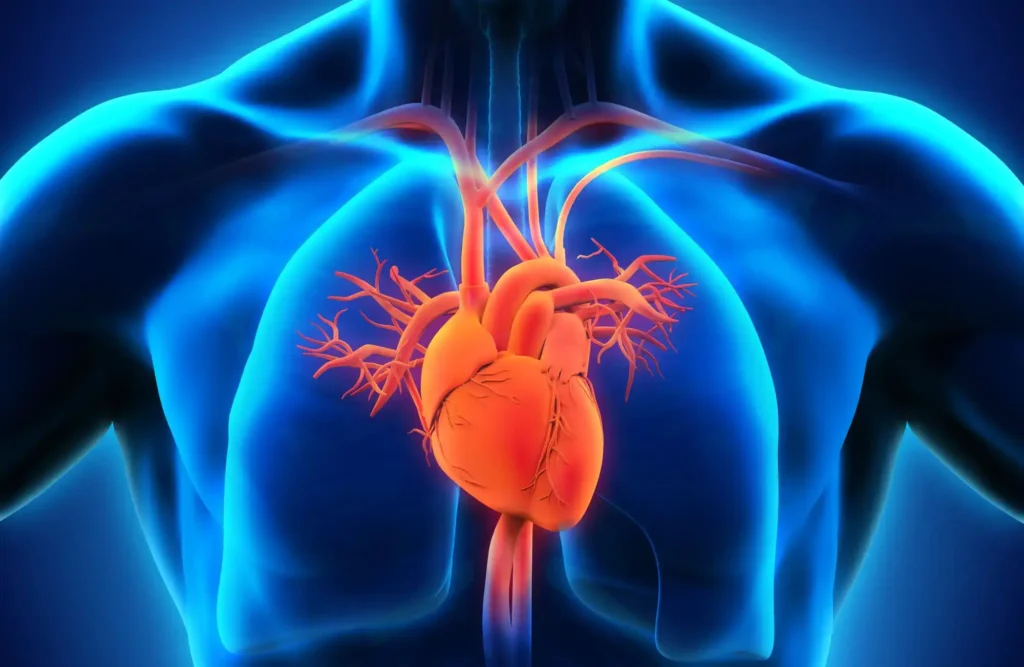
Heart problems are among the leading health concerns worldwide, affecting millions of people every year. These conditions can range from mild issues that require lifestyle adjustments to serious diseases that need immediate medical attention. Understanding heart problems is essential for maintaining overall health and reducing the risk of complications. One important aspect of cardiovascular health is understanding the Types of Heart Failure, which include left-sided heart failure, right-sided heart failure, and congestive heart failure. Knowing the different forms of heart failure can help individuals recognize symptoms early and seek appropriate treatment.
What Are Heart Problems?
Heart problems refer to a variety of conditions that affect the heart’s structure and function. These conditions can impact the heart’s ability to pump blood effectively throughout the body. Common heart problems include coronary artery disease, heart failure, arrhythmias, heart valve disorders, and congenital heart defects. Some heart conditions develop over time due to lifestyle factors, while others may be inherited or present from birth.
The heart plays a crucial role in supplying oxygen-rich blood to organs and tissues. When heart function is impaired, it can affect the entire body, leading to fatigue, shortness of breath, and other serious health complications.
Common Causes of Heart Problems
Several factors contribute to the development of heart problems. High blood pressure is one of the most significant risk factors because it forces the heart to work harder than normal. High cholesterol levels can also lead to plaque buildup in the arteries, restricting blood flow and increasing the risk of heart attacks.
Other common causes include:
- Smoking and tobacco use
- Obesity and overweight conditions
- Diabetes
- Physical inactivity
- Unhealthy diet rich in saturated fats and processed foods
- Excessive alcohol consumption
- Chronic stress
- Family history of heart disease
Managing these risk factors can significantly reduce the likelihood of developing heart-related conditions.
Symptoms of Heart Problems
The symptoms of heart problems can vary depending on the specific condition. However, some common warning signs should never be ignored.
These may include:
- Chest pain or discomfort
- Shortness of breath
- Rapid or irregular heartbeat
- Fatigue and weakness
- Swelling in the legs, ankles, or feet
- Dizziness or fainting
- Pain in the neck, jaw, back, or arms
Some individuals may experience mild symptoms initially, while others may face sudden and severe complications. Early diagnosis is essential for effective treatment and improved outcomes.
Prevention and Healthy Lifestyle Choices
Preventing heart problems often involves adopting healthy lifestyle habits. Regular physical activity helps strengthen the heart and improve circulation. Experts generally recommend at least 150 minutes of moderate exercise per week.
A heart-healthy diet should include fruits, vegetables, whole grains, lean proteins, and healthy fats. Reducing salt intake can help manage blood pressure, while limiting sugary foods can lower the risk of diabetes.
Additionally, quitting smoking, maintaining a healthy weight, getting adequate sleep, and managing stress can greatly benefit heart health. Regular health checkups are also important for monitoring blood pressure, cholesterol, and blood sugar levels.
Conclusion
Heart problems can have a significant impact on quality of life, but many cases can be prevented through healthy habits and early intervention. Understanding the causes, symptoms, and risk factors allows individuals to take proactive steps toward better cardiovascular health. By making informed lifestyle choices and seeking medical advice when necessary, people can protect their hearts and reduce the risk of serious complications in the future.