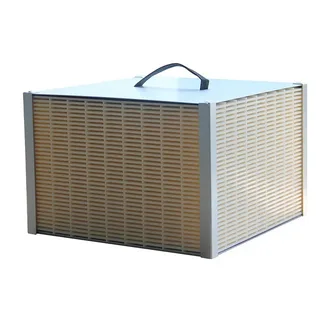
Busy buildings require effective climate management to maintain comfortable temperatures, circulate fresh air, and limit avoidable energy losses. Heat recovery ventilation air conditioning combines air exchange with temperature control by transferring heat between extracted indoor air and incoming outdoor air. This process helps retain thermal energy that would otherwise escape during ventilation while bringing fresh air closer to the desired indoor temperature. Coordinating these functions can support consistent conditions across residential and commercial spaces where occupant numbers influence ventilation demands. By integrating airflow management with heating and cooling, the system can contribute to indoor comfort, improved air circulation, and more controlled energy use throughout daily operations.
Keeping Indoor Conditions Comfortable through Seasonal Shifts
Heat recovery systems help buildings respond to changing weather while supporting comfortable indoor temperatures. By transferring thermal energy from extracted air to the incoming fresh-air supply, they can reduce the influence of outdoor temperature variations on interior spaces. During colder periods, this exchange warms incoming air before it enters the building, potentially reducing the amount of additional heating required.
When outdoor conditions are warmer, heat exchange may help limit temperature differences between incoming air and the indoor environment. Continued ventilation also supports air distribution throughout occupied areas, helping reduce uneven conditions that can occur when airflow is inadequate. Together, these functions help buildings manage fresh-air delivery and thermal comfort as seasonal conditions shift.
This adaptability makes heat recovery relevant to residential and commercial properties with changing heating and cooling needs. More consistent indoor temperatures can support comfortable living and working environments while helping manage energy requirements throughout the year.
Improving Building Efficiency by Linking Ventilation and Climate Control
Coordinating air exchange with temperature regulation can reduce unnecessary energy use in buildings. Heat recovery equipment transfers thermal energy from outgoing air to incoming fresh air, allowing some of the energy used to condition indoor spaces to be reused. This can reduce the heating or cooling adjustment needed after fresh air enters the property.
Lower demands on climate-control equipment may help reduce electricity use and operating expenses, although the results depend on system efficiency and building conditions. Recovering energy during ventilation also limits the need to replace all the heat lost through routine air exchange. These benefits can support more efficient resource use and help reduce the environmental impact of building operation.
Considering ventilation, indoor air quality, and temperature control together provides a coordinated approach to climate management. Systems that combine fresh-air delivery with thermal recovery can help buildings maintain comfortable conditions while improving energy performance and operational efficiency.
Managing Seasonal Climate Needs with HRV Air Conditioning
HRV air conditioning combines air renewal and heat recovery to help regulate indoor conditions across different seasons. In colder weather, warmth from extracted indoor air can be transferred to incoming outdoor air, reducing the energy required to heat the fresh-air supply. This can lower the demand on conventional heating equipment while helping maintain comfortable temperatures indoors.
During warmer periods, heat exchange may moderate incoming air when outdoor temperatures exceed those inside the building. The level of benefit depends on the equipment design and operating conditions, while coordination with heating and cooling systems can help manage overall energy use.
By integrating ventilation with thermal recovery, HRV air conditioning provides an option for properties that require dependable indoor comfort throughout seasonal changes. Fresh air can continue entering the building while some available heat is reused, helping balance ventilation needs with temperature management.
Retaining Useful Energy while Renewing Indoor Air
Heat recovery ventilation systems support continuous fresh-air delivery while reclaiming some thermal energy from air leaving a building. As stale indoor air passes through the unit, its heat can be transferred to incoming outdoor air. This reduces the temperature difference between the fresh supply and the indoor environment, potentially limiting the additional heating or cooling required after air exchange.
Recovering thermal energy may also help moderate indoor temperature changes caused by introducing untreated outdoor air. Regular ventilation helps dilute pollutants and remove stale air and excess moisture, while filtration may capture certain airborne particles where suitable filters are installed. This allows air renewal to continue without losing all the energy used to condition the indoor environment.
The approach is useful in buildings where air quality, occupant comfort, and energy efficiency are equally important. By treating ventilation and heat management as complementary functions, recovery systems can help maintain suitable indoor conditions while reducing energy losses associated with regular air exchange.
Combining HRV and Air Conditioning for Year-Round Climate Control
HRV and air conditioning can work together to address ventilation and temperature requirements as outdoor conditions change. Heat recovery ventilation transfers thermal energy between outgoing indoor air and incoming outdoor air, helping preserve warmth and moderate temperature differences. During colder periods, this transfer can preheat fresh air before it enters occupied rooms, potentially reducing the need for supplementary heating. In warmer weather, air conditioning can provide additional cooling when indoor temperatures rise beyond comfortable levels.
Integrating these functions gives buildings more flexibility when managing seasonal changes. Fresh-air exchange can continue while heat recovery limits some of the energy lost through ventilation. Depending on the equipment and building design, this coordination may also reduce the workload on separate heating and cooling systems.
Together, HRV and air conditioning can support comfortable indoor environments while maintaining regular air renewal. Coordinating ventilation and temperature regulation provides a practical approach to managing seasonal conditions and improving energy efficiency.
Reducing Heating and Cooling Workloads through Thermal Exchange
Thermal exchange can help reduce the energy required for heating and cooling by transferring heat between outgoing indoor air and incoming outdoor air. Instead of losing all the energy carried by exhausted air, the system reuses a portion to adjust the temperature of the fresh-air supply. During colder weather, recovered heat can warm incoming air before it enters the building, reducing the burden on heating equipment. In warmer conditions, heat transfer may help restrict unwanted heat gain, depending on outdoor temperatures and system design.
Bringing incoming air closer to the indoor temperature can support a more consistent environment while potentially reducing energy use. This process may also lessen the operating demand on HVAC equipment and encourage more efficient performance. Incorporating thermal exchange into an appropriate ventilation setup therefore helps maintain indoor comfort while managing heating and cooling requirements more effectively.
Supporting Year-Round Comfort with HRV Heating and Cooling
HRV heating and cooling integrates heat recovery with indoor climate control to help properties respond to changing seasonal conditions. During cold weather, thermal energy from outgoing indoor air can warm the incoming fresh-air supply. This reduces heat lost through ventilation and may decrease the additional energy needed to bring outdoor air to a comfortable temperature.
When outdoor conditions become warmer, heat recovery may help moderate the impact of incoming air on indoor temperatures, while suitable cooling equipment addresses excess heat. Coordinating these functions can help maintain more consistent indoor conditions and potentially reduce the workload on conventional HVAC components. Performance varies according to system design, local weather, and the building’s ventilation and climate-control requirements.
Combining fresh-air circulation with temperature management gives HRV heating and cooling systems a coordinated role in year-round building operation. Ventilation can continue while some thermal energy is recovered, helping maintain indoor comfort and manage energy consumption across changing seasons.
Cleaner Indoor Air through Heat-Recovery Ventilation
Heat-recovery ventilation can help maintain better indoor air quality by continuously removing used air and replacing it with filtered outdoor air. Before entering occupied spaces, incoming air can pass through filtration and thermal exchange processes, helping reduce the introduction of dust, allergens, and other airborne particles. Ongoing air replacement can also help regulate moisture levels and reduce the likelihood of conditions associated with mould and mildew.
Suitable filtration provides another layer of protection by capturing particulate matter and other unwanted substances carried in the incoming airflow. Continuous circulation can also prevent odours from becoming concentrated in enclosed areas, helping create a fresher indoor atmosphere. These benefits can be particularly relevant in tightly sealed modern properties where natural air leakage may not provide sufficient ventilation.
Heat-recovery ventilation therefore provides a way to maintain regular fresh-air exchange while limiting the energy penalty commonly associated with introducing outdoor air. Combining controlled ventilation, filtration, and thermal recovery can support cleaner interiors without unnecessarily increasing heating or cooling requirements.
Factors That Shape Heat-Recovery Ventilation Performance
Heat-recovery ventilation performance is influenced by equipment choice, system layout, installation quality, and regular maintenance. Correctly sizing the unit helps match airflow capacity to the building’s needs, while an unsuitable model may deliver inconsistent ventilation or recover less thermal energy than expected. Duct configuration and the positioning of air supply and extraction points also affect airflow distribution and the system’s ability to transfer heat effectively.
Scheduled maintenance helps keep the system operating properly by preventing filter blockages and identifying worn or damaged components. Building airtightness is another consideration, as unintended gaps can allow conditioned air to escape and undermine energy efficiency. Outdoor temperatures, local climate, and the quality of incoming air may also affect how the system performs under different conditions.
Taking the building’s structure and ventilation requirements into account during installation can improve operational consistency. When equipment, system design, maintenance, and property characteristics are properly aligned, heat-recovery ventilation can provide reliable air exchange and more effective energy use.
Improving Climate-Control Efficiency with Heat Recovery Air Conditioning
Heat recovery air conditioning helps reduce ventilation-related energy losses by transferring thermal energy from exhausted indoor air to fresh air entering the building. This exchange brings incoming air closer to the desired indoor temperature, potentially reducing the heating or cooling effort needed to maintain comfortable conditions. Fresh-air circulation can continue while part of the energy that would otherwise escape is reused.
Maintaining steadier indoor temperatures may also reduce the need for frequent or significant adjustments to climate-control equipment. When heat recovery operates alongside air conditioning, it can help manage the thermal effects of ventilation and potentially ease the workload on separate heating and cooling components.
Integrating air exchange with thermal recovery provides a coordinated approach to indoor climate management. By making use of available heat and limiting unnecessary energy losses, heat recovery air conditioning can support comfortable interiors and more efficient energy use in residential and commercial properties.
Conclusion
Heat recovery ventilation air conditioning combines fresh-air exchange with thermal energy recovery to regulate indoor environments more efficiently. As stale air leaves the building, some of its heat can be transferred to incoming outdoor air, reducing the temperature adjustment required from heating or cooling equipment. This process may help control energy use while maintaining suitable indoor conditions. The integrated approach can benefit homes, offices, and commercial facilities where dependable ventilation is important. With appropriate system design, these units can support comfortable temperatures, steady air circulation, and more efficient building performance.
FAQs
How does heat recovery ventilation air conditioning operate?
Heat recovery ventilation air conditioning removes used indoor air and introduces fresh air from outside while transferring thermal energy between separate air passages. The two streams remain isolated, allowing the incoming supply to be preconditioned and helping reduce indoor temperature fluctuations.
How can HRV air-conditioning help control energy use?
HRV air-conditioning captures some of the thermal energy in extracted indoor air before it leaves the building. This recovered heat can help bring incoming air closer to the desired temperature, potentially reducing the amount of work required from heating and cooling equipment and supporting more economical operation.
In what ways can HRV systems improve indoor air conditions?
HRV systems continuously exchange stale indoor air for fresh outdoor air through a controlled ventilation process. This can help manage humidity, lingering smells, and certain airborne pollutants in occupied areas. Appropriate filtration, correctly balanced airflow, and regular maintenance are important for maintaining suitable indoor air conditions.
What types of properties are suitable for HRV heating and cooling systems?
HRV heating and cooling systems may be suitable for houses, offices, and commercial premises that need both ventilation and temperature management. Important considerations include the building’s design, number of occupants, local climate, airflow requirements, and compatibility with existing heating or cooling equipment. Proper planning helps distribute air effectively throughout the property.
How does heat recovery assist with indoor temperature control?
During ventilation, heat recovery transfers thermal energy from extracted air to the incoming fresh-air supply. This reduces the difference between the incoming air temperature and the desired indoor conditions, potentially lowering the energy needed from conventional heating or cooling equipment while maintaining ventilation.
| Related Business Listings |
| Contact Directory |
| Local Business Profiles |