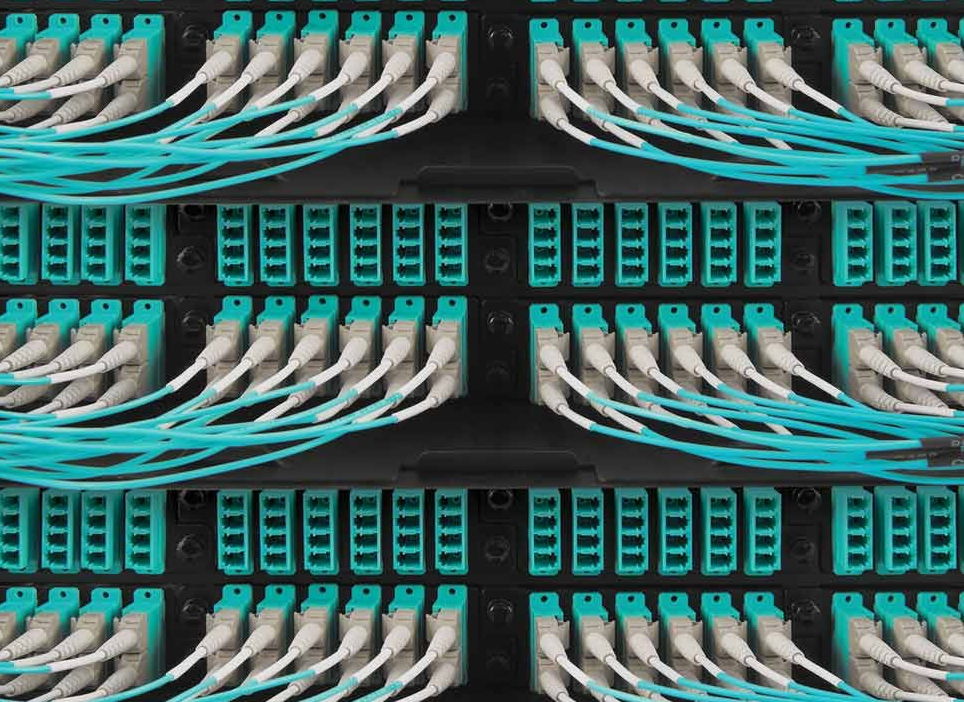
As digital transformation continues to accelerate across industries, the demand for faster, more reliable, and scalable networking infrastructure has never been greater. Organizations are managing increasing volumes of data generated by cloud computing, artificial intelligence, video streaming, and connected devices. To support these growing requirements, businesses need advanced cabling systems capable of delivering high performance while maximizing available space.
One of the most effective solutions addressing these challenges is high density fiber cable technology. Designed to accommodate large numbers of fiber connections within a compact footprint, these cabling systems provide exceptional data transmission capabilities while optimizing network infrastructure. As data centers and enterprise networks expand, high-density fiber solutions have become an essential component of modern connectivity strategies.
Understanding High Density Fiber Cable
High-density fiber cable refers to fiber optic cabling systems that contain a large number of optical fibers within a relatively small cable diameter. These cables are specifically engineered to maximize fiber count while minimizing space requirements, making them ideal for environments where efficient cable management is critical.
Unlike traditional cabling systems that may require significant physical space, high-density fiber solutions enable organizations to deploy more connections within existing infrastructure. This capability is particularly valuable in data centers, telecommunications facilities, and enterprise environments where rack space is often limited.
The advanced design of these cables allows network administrators to increase capacity without significantly expanding physical infrastructure, resulting in improved efficiency and reduced operational costs.
Why High Density Fiber Cable Is Gaining Popularity
Growing Data Demands
Modern businesses rely on data-intensive applications that require substantial bandwidth and reliable connectivity. Cloud services, virtual collaboration platforms, and real-time analytics generate enormous amounts of network traffic every day.
High-density fiber cabling provides the bandwidth necessary to support these applications while ensuring smooth and uninterrupted performance. As organizations continue to adopt digital technologies, the need for scalable network infrastructure becomes increasingly important.
Space Optimization
One of the primary advantages of high-density fiber solutions is their ability to conserve valuable space. Data centers often face challenges related to rack capacity and cable congestion. By incorporating a higher number of fibers into a compact cable design, organizations can maximize available space while maintaining optimal network performance.
Efficient use of space also simplifies future expansion projects, allowing businesses to scale operations without extensive infrastructure modifications.
Enhanced Network Performance
Fiber optic technology is known for its exceptional speed and reliability. High-density fiber cables extend these benefits by enabling larger numbers of high-speed connections within a single infrastructure framework.
Because optical fibers transmit data using light signals, they experience minimal signal loss and are resistant to electromagnetic interference. This results in consistent performance, lower latency, and improved overall network efficiency.
Key Benefits of High Density Fiber Cable
Increased Scalability
Scalability is a major consideration for organizations planning long-term growth. High-density fiber cable systems provide the flexibility needed to accommodate increasing connectivity requirements without requiring complete network redesigns.
As businesses expand operations and add new devices, applications, and services, these cabling solutions can support higher connection densities while maintaining reliable performance.
Improved Cable Management
Managing large volumes of network cables can become challenging in complex environments. High-density fiber solutions help simplify cable management by reducing clutter and organizing connections more efficiently.
Better cable management contributes to easier maintenance, faster troubleshooting, and improved airflow within networking equipment racks. These advantages help enhance overall operational efficiency and system reliability.
Cost Efficiency
Although fiber optic infrastructure requires an initial investment, high-density solutions often deliver significant long-term cost savings. Their ability to support greater connectivity within a smaller footprint reduces infrastructure expansion costs and minimizes space-related expenses.
Additionally, the durability and longevity of fiber optic technology contribute to lower maintenance requirements over time, further improving return on investment.
Applications of High Density Fiber Cable
Data Centers
Data centers are among the largest adopters of high-density fiber cabling systems. These facilities require extensive connectivity to support servers, storage devices, and networking equipment.
High-density fiber cables enable data center operators to maximize rack space, improve network performance, and prepare for future growth while maintaining efficient infrastructure management.
Telecommunications Networks
Telecommunications providers rely on advanced fiber optic infrastructure to deliver high-speed internet and communication services. High-density fiber solutions support the growing demand for bandwidth while enabling efficient network expansion.
As internet usage continues to increase globally, telecommunications companies depend on scalable fiber networks to meet customer expectations and maintain service quality.
Enterprise Environments
Large enterprises often require robust network infrastructure to support business-critical operations. High-density fiber cabling provides the connectivity necessary for cloud computing, unified communications, and data-intensive applications.
By implementing high-density fiber systems, organizations can improve operational efficiency while ensuring reliable access to essential digital resources.
Future of High Density Fiber Technology
The future of networking infrastructure is closely connected to advancements in fiber optic technology. Emerging technologies such as artificial intelligence, machine learning, edge computing, and the Internet of Things will continue driving demand for higher bandwidth and greater network capacity.
High-density fiber solutions are expected to play a vital role in supporting these innovations. Ongoing developments in cable design, connector technology, and network architecture will further enhance performance while reducing deployment complexity.
Organizations investing in advanced fiber infrastructure today will be better positioned to adapt to future technological changes and evolving business requirements.
Conclusion
As data demands continue to rise, businesses need networking solutions that combine performance, scalability, and efficiency. High density fiber cable technology provides an effective answer by enabling organizations to maximize connectivity while minimizing space requirements.
From data centers and telecommunications networks to enterprise environments, these advanced cabling systems deliver the speed, reliability, and flexibility needed for modern digital operations. By adopting high-density fiber solutions, organizations can build a strong foundation for future growth and maintain a competitive advantage in an increasingly connected world.