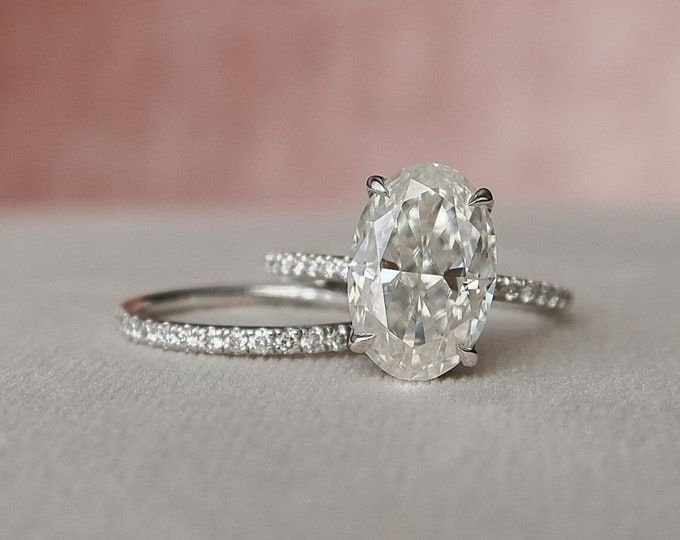
Choosing an engagement ring is about more than finding a beautiful design. A high-quality diamond engagement ring should combine a well-evaluated diamond, a secure setting, quality craftsmanship, and a style that suits the person who will wear it. Because diamonds vary significantly in cut, color, clarity, carat weight, and overall appearance, understanding what you are buying can make the selection process much easier.
The 4Cs of diamond quality, developed by the Gemological Institute of America (GIA), provide the standard framework for evaluating diamonds: cut, color, clarity, and carat weight.
Whether you prefer a classic solitaire, a glamorous halo, or a modern three-stone design, learning how these factors work together can help you find a ring that offers beauty, quality, and lasting appeal.
What Makes a Diamond Engagement Ring High Quality?
A high-quality diamond engagement ring is not necessarily the ring with the largest center stone or the highest grade in every category. Instead, quality comes from how the diamond’s characteristics work together and how well the stone is cut, evaluated, and set.
The most important considerations include:
- Diamond cut and light performance
- Color grade
- Clarity grade
- Carat weight
- Diamond shape
- Certification or grading report
- Metal and setting quality
- Overall craftsmanship
- Wearability and durability
Two diamonds with similar specifications can still look different because each diamond has unique characteristics. GIA also notes that a grading report provides objective information about a diamond’s identity and quality, while the diamond’s appearance should still be evaluated personally.
Understanding the 4Cs of Diamond Quality
1. Cut
Cut is one of the most important factors to consider when shopping for a diamond engagement ring. It determines how effectively the diamond interacts with light and contributes to its brightness, fire, and scintillation.
A well-cut diamond can appear lively and brilliant, while a poorly cut stone may appear less vibrant even if it has a high carat weight.
For buyers who prioritize sparkle, paying close attention to cut can be more useful than simply choosing the biggest diamond within a budget.
For standard round brilliant diamonds, GIA evaluates cut on a scale ranging from Excellent to Poor, considering factors such as brightness, fire, scintillation, proportions, symmetry, polish, and durability.
2. Color
Diamond color refers to the presence or absence of color in a stone. GIA’s D-to-Z color scale begins with D, representing the highest level of colorlessness, and progresses toward diamonds with increasingly noticeable color.
Color preferences can depend on the diamond shape and the metal used for the engagement ring. A white metal such as platinum or white gold may make color differences more noticeable, while yellow or rose gold can create a warmer overall appearance.
Instead of automatically choosing the highest possible color grade, compare diamonds in person and consider how the stone looks within its setting.
3. Clarity
Clarity describes the internal characteristics, known as inclusions, and surface characteristics, known as blemishes, found in a diamond.
Higher clarity grades generally indicate fewer or less noticeable characteristics. However, a diamond does not necessarily need to be flawless to appear beautiful. The location, size, and visibility of inclusions matter, and some stones can appear clean to the unaided eye despite having a clarity grade below the highest levels.
This makes visual evaluation particularly important when comparing high quality diamond engagement rings.
4. Carat Weight
Carat refers to a diamond’s weight, not simply its visual size. As carat weight increases, diamonds generally become rarer, although two diamonds with the same carat weight can have different appearances and values because of differences in cut, color, and clarity.
When selecting an engagement ring, consider how carat weight works with the diamond’s proportions and shape. A well-proportioned diamond can create an attractive presence without simply maximizing weight.
Choose the Right Diamond Shape
The diamond’s shape has a major influence on the personality of an engagement ring.
Round Brilliant
Round brilliant diamonds are a classic choice and are known for their strong light performance. Their timeless appearance makes them suitable for traditional and contemporary settings.
Oval
Oval diamonds offer an elongated silhouette that can create the appearance of a larger face-up stone. They provide a softer alternative to the traditional round shape.
Emerald Cut
Emerald-cut diamonds feature a step-cut design that emphasizes clarity, symmetry, and broad flashes of light. Because the facets can make inclusions easier to see, clarity deserves particular attention with this shape.
Cushion Cut
Cushion diamonds combine a square or rectangular outline with rounded corners. They can offer a romantic, vintage-inspired appearance while still working beautifully in modern settings.
Pear and Marquise
Pear and marquise diamonds have elongated silhouettes and distinctive pointed ends. Their shapes can create an elegant and visually lengthening effect on the finger.
Radiant Cut
Radiant diamonds combine a rectangular or square outline with brilliant-style faceting. They are an option for shoppers who want a geometric shape with plenty of sparkle.
Popular Settings for High Quality Engagement Rings
The setting protects the diamond while also defining the overall appearance of the ring.
Solitaire Setting
A solitaire focuses attention on the center diamond. Its clean design works especially well for someone who prefers timeless jewelry.
Halo Setting
A halo surrounds the center stone with smaller diamonds, adding additional sparkle and creating a more elaborate appearance.
Three-Stone Setting
Three-stone engagement rings typically feature a central diamond accompanied by two side stones. The design offers visual balance and a meaningful symbolic appeal for many couples.
Pavé Setting
Pavé settings feature small diamonds placed closely along the band. They can create a continuous sparkling effect while allowing the center diamond to remain the focal point.
Bezel Setting
A bezel setting surrounds the diamond’s perimeter with metal. It provides a modern appearance and offers additional protection around the stone’s edges.
Why Diamond Certification Matters
When buying a high-quality engagement ring, documentation should be part of the purchasing process. An independent diamond grading report provides information about characteristics such as the diamond’s 4Cs and can indicate whether the stone is natural, laboratory-grown, or has undergone certain treatments.
A reputable grading report allows buyers to compare diamonds using documented information instead of relying solely on appearance or sales descriptions.
GIA describes its diamond grading reports as an independent evaluation of a diamond’s characteristics and recommends using a grading report when purchasing a diamond.
How to Choose a High Quality Diamond Within Your Budget
A common mistake is to focus on achieving the highest grade in every category. That approach can significantly increase the price without necessarily producing a visibly better-looking ring.
Instead, establish your budget first and decide which characteristics matter most to you.
For example, someone who values sparkle may prioritize cut quality. Someone focused on visual size may place greater importance on carat weight and diamond proportions. Another buyer may prioritize a higher clarity grade because of the chosen diamond shape.
GIA recommends understanding the 4Cs, establishing a budget, comparing diamonds, and working with a reputable jeweler during the buying process.
Natural vs. Lab-Grown Diamonds
Today’s engagement ring shoppers can consider both natural and laboratory-grown diamonds. Laboratory-grown diamonds have the same basic chemical composition and crystal structure as natural diamonds, but they are produced using technological processes rather than geological formation.
If you are comparing the two, look beyond marketing language and review the diamond’s documentation, quality characteristics, appearance, and overall value proposition. A grading report can help you understand what you are purchasing.
The important point is to choose based on your preferences, budget, and priorities rather than assuming that one category automatically represents higher quality.
Pay Attention to the Ring’s Metal
The center diamond is only one part of a high-quality engagement ring. The metal also affects appearance, durability, and maintenance.
Popular choices include:
- Platinum: Durable and naturally white, making it a popular option for diamond jewelry.
- White gold: Offers a bright, contemporary appearance.
- Yellow gold: Provides a traditional and warm contrast against a white diamond.
- Rose gold: Creates a distinctive pinkish tone with a romantic aesthetic.
The right metal depends on personal style, lifestyle, and how the ring will coordinate with other jewelry.
Look Beyond the Diamond
A beautiful center stone cannot compensate for poor craftsmanship. Examine the ring’s prongs, band, setting, symmetry, and finishing.
The diamond should be held securely, and the setting should be appropriate for everyday wear. GIA recommends considering the setting, metal, ring size, and side stones when buying an engagement ring.
It is also worth asking about cleaning, maintenance, resizing, warranty coverage, and return policies before completing your purchase.
How to Compare High Quality Diamond Engagement Rings
When comparing several rings, avoid looking only at carat weight or price. Instead, review the complete picture.
Ask these questions:
- Does the diamond come with a reputable grading report?
- What are its cut, color, clarity, and carat specifications?
- Does the diamond look bright and lively under different lighting?
- Are the inclusions visible to the naked eye?
- Does the diamond shape suit the wearer’s style?
- Is the setting secure?
- Is the ring comfortable for everyday use?
- Does the metal complement the diamond and personal style?
- Are care, resizing, warranty, and return policies clearly explained?
Comparing these factors can help you distinguish between rings that look similar online but differ in quality, craftsmanship, or documented characteristics.
Finding the Right Engagement Ring for Your Style
The best engagement ring is one that balances diamond quality with personal taste. A classic round solitaire may appeal to someone who prefers understated elegance, while a halo or three-stone design may be more suitable for someone who enjoys additional detail.
If you’re looking for a combination of craftsmanship, diamond quality, and distinctive design, Brilani offers engagement ring options worth exploring as you narrow down your preferences.
Remember that photographs and specifications are useful starting points, but diamonds can look different in person. GIA recommends viewing diamonds under different lighting conditions and comparing individual stones before making a purchase.
Final Tips Before Buying
Before purchasing high quality diamond engagement rings, take time to:
- Set a realistic budget.
- Learn the 4Cs.
- Select a preferred diamond shape.
- Compare several stones rather than choosing the first one.
- Review an independent grading report.
- Examine the diamond under different lighting.
- Check the security and craftsmanship of the setting.
- Select a metal that matches the wearer’s style.
- Confirm ring size and resizing options.
- Understand warranty, return, cleaning, and maintenance policies.
A high-quality engagement ring is ultimately a combination of objective diamond characteristics and personal preferences. By understanding the 4Cs, examining the setting, reviewing reliable documentation, and comparing diamonds carefully, you can make a more informed choice and select a ring designed to remain meaningful for years to come.