Most people never think about drywall until something looks off. Maybe a seam shows through fresh paint, or a ceiling crack keeps coming back after every patch. Sometimes a remodel that looked great on paper ends up with walls that seem wavy once the lights go on.
For homeowners and property managers, choosing a drywall finishing contractor Raleigh NC residents can rely on starts with understanding what finishing work involves. Knowing what separates average results from excellent ones makes it much easier to ask the right questions and judge the work.
Why Drywall Finishing Matters More Than It Seems
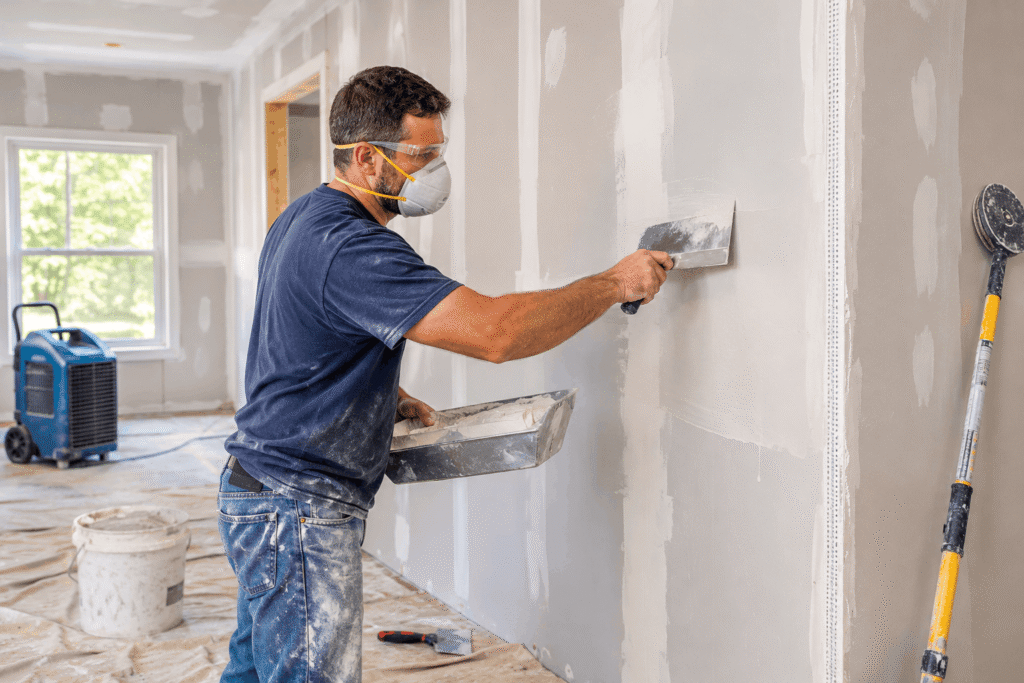
Hanging drywall is only half the job. The finishing stage is where joints, corners, and fastener holes get covered with tape and joint compound. That compound is then smoothed, dried, and sanded until the wall reads as one flat surface.
This stage takes patience. Each coat needs time to dry, and every pass has to be feathered out wider than the last. When someone rushes, the flaws usually stay hidden until paint goes on. By then, fixing them means more sanding, more mud, and more repainting.
Climate plays a role too. Central North Carolina’s humid summers can slow drying times and affect how compound behaves. Experienced finishers adjust their pace and materials to fit the conditions, which helps prevent shrinkage and cracking later.
Common Drywall Finishing Problems
Some issues show up again and again in homes and rental properties. Visible seams are among the most frequent. They happen when tape isn’t fully embedded or the compound isn’t feathered wide enough to blend into the surrounding wall.
Nail pops are another familiar sight. These small, round bumps appear when fasteners work loose as framing shifts or dries out. They are common in newer homes as lumber settles during the first year or two.
Other problems include:
- Tape bubbles or blisters caused by too little compound under the tape
- Ridging along joints that catches light and casts small shadows
- Cracks at corners where walls meet ceilings or where framing moves
- Flashing, where patched areas look different from the rest of the wall after painting
Many of these trace back to rushed prep or skipped coats. Others come from structural movement or moisture, which a skilled finisher will look into before simply covering the damage.
What Quality Finishing Affects
Good drywall work shapes far more than looks. It determines how paint lays down, how light reflects across a room, and how well walls hold up over time.
Lighting is a big factor. Large windows, recessed fixtures, and low-angle sunlight tend to expose every flaw. A wall that seems fine at noon can show every joint in late-afternoon light. That’s why finish level matters so much in rooms with lots of natural light.
The industry uses finish levels from 0 to 5. Most homes call for Level 4, which works well under flat or eggshell paint. Level 5 adds a thin skim coat over the entire surface, creating the smoothest result for glossy paint or harsh lighting.
For property managers, solid finishing also cuts long-term costs. Walls that are finished correctly the first time need fewer touch-ups between tenants. Repairs blend more easily, and paint lasts longer before it needs refreshing.
Common Repair and Remodel Scenarios
Water damage is one of the most common reasons people need drywall help. A leaking roof, burst pipe, or overflowing tub can leave stained, soft, or sagging sections. These areas often need to be cut out, replaced, and refinished so the patch disappears into the wall.
Remodels bring their own challenges. When a wall is removed or an opening is widened, new drywall has to meet old drywall seamlessly. Matching texture and thickness takes skill, especially in older homes where the original materials may differ from today’s standards.
Basement finishing and room additions are also popular projects. In these cases, the whole space is new, and good drywall taping and mudding Raleigh homeowners can trust sets the tone for the entire room. Poor joints in a brand-new space are hard to ignore.
Rental turnovers are a regular task for property managers. Holes from wall anchors, dents from furniture, and scuffs around doorways add up quickly. Teams that handle these repairs efficiently, without leaving obvious patches behind, help units get back on the market faster.
Some local specialists, including Very Handy Wall and Ceiling Repairs, point out that ceiling cracks in older homes often come from seasonal movement rather than poor original work. Understanding the cause helps decide whether a simple patch will last or whether the joint needs to be retaped.
What to Look for in Workmanship
When reviewing past projects, look closely at walls under angled light. Joints should be invisible, corners should be crisp and straight, and there should be no shadowy ridges or sanding marks.
Ask how many coats of compound are usually applied. Most quality jobs involve a tape coat followed by at least two finish coats. Fewer than that often means shortcuts were taken.
Dust control is another sign of professionalism. Sanding creates fine dust that spreads through a home or building. Careful contractors use plastic sheeting, sealed doorways, and sometimes vacuum-assisted sanders to keep the mess contained.
Clear communication matters just as much as skill. A written estimate should spell out the scope of work, the finish level, drying time, and whether priming or painting is included. Vague quotes can lead to surprises later.
It also helps to check licensing and insurance, read recent reviews, and ask for references from similar projects. Someone who regularly handles water damage repairs may approach the job differently than someone who mostly works on new construction.
Making a Confident Choice
Hiring for drywall work doesn’t have to feel like a gamble. With a basic grasp of finish levels, common flaws, and signs of solid workmanship, homeowners and property managers can compare options with confidence.
Whether the job is a small patch or a full remodel, the goal stays the same: walls that look smooth, hold paint well, and stand up to daily life. Taking time to choose carefully usually pays off in results that last for years.
FAQs
How much does drywall finishing cost in Raleigh NC?
Costs depend on the project size, finish level, and how much repair work is needed. Small patches may be priced per job, while larger projects are often priced per square foot. Getting a few written estimates helps set realistic expectations.
How long does drywall taping and mudding take?
Most projects take two to four days because each coat of compound needs time to dry. Humidity, temperature, and the finish level can lengthen the timeline. Quick-setting compounds can speed things up for smaller repairs.
What is the difference between Level 4 and Level 5 drywall finish?
Level 4 involves taping and several coats of compound over joints and fasteners. Level 5 adds a thin skim coat over the entire wall for a smoother surface. Level 5 is best for glossy paint or rooms with strong, angled lighting.
Why do drywall cracks keep coming back after repair?
Recurring cracks often point to structural movement, settling, or moisture changes rather than surface damage alone. Simply filling the crack rarely lasts. Retaping the joint and addressing the underlying cause usually produces a longer-lasting fix.