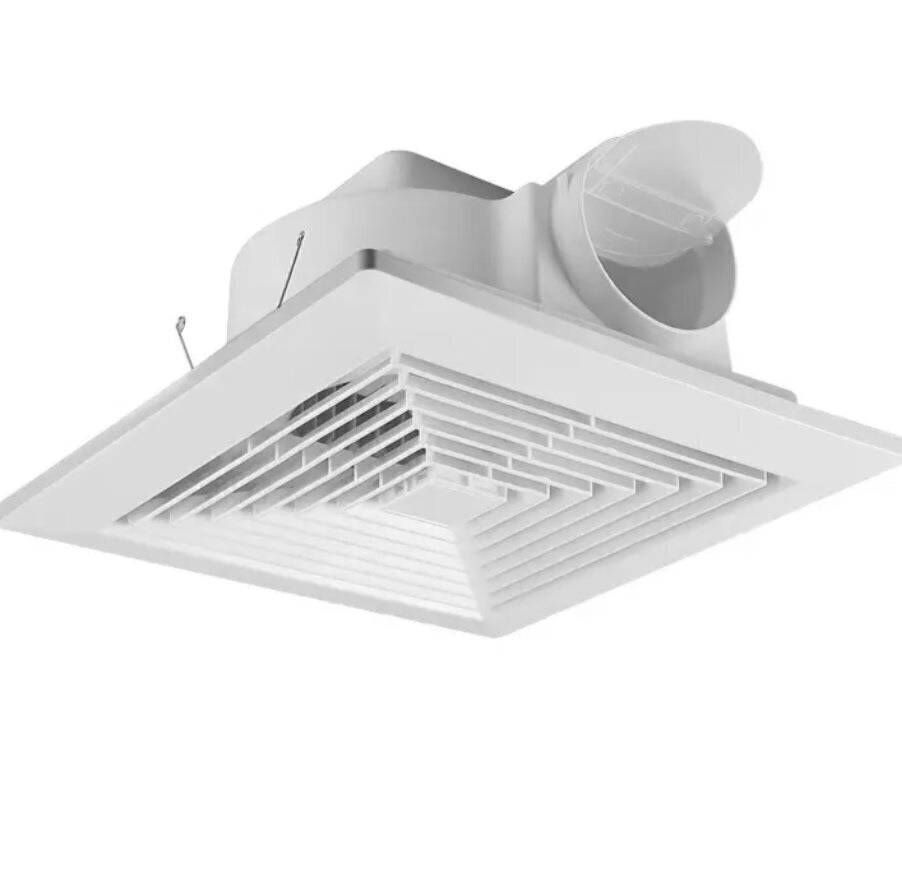
Home air ventilators are designed to enhance indoor air quality by facilitating the circulation and exchange of fresh air within living spaces. These systems help maintain a healthier environment by reducing pollutants, controlling humidity, and regulating indoor temperature. Modern home ventilator is tailored to meet varying needs, offering solutions for homes of different sizes and in different climates. The technology behind these devices ensures efficient air transfer, often reducing the energy load on other systems, such as heating or cooling units. By addressing factors like ventilation efficiency and air filtration, home air ventilators contribute to the overall comfort and well-being of occupants. Understanding the features and functionality of these systems can provide insight into their importance and the value they bring to creating a more sustainable and comfortable home environment.
Factors Influencing Home Air Ventilator Cost
A combination of technical specifications and external factors determines the cost of home air ventilators. The design and efficiency of the ventilator play a major role, with models featuring advanced filtration systems or dual-airflow capabilities often priced higher. The materials used in manufacturing, such as corrosion-resistant components or eco-friendly parts, can also contribute to price differences. Furthermore, the inclusion of modern features such as programmable settings or energy-saving modes may increase the overall cost.
External factors, including supply chain fluctuations and manufacturing trends, can further impact pricing. Homes with unique architectural designs or those requiring custom installations may incur additional costs, as specialised equipment or adjustments might be necessary. Recognising these variables is essential when considering the financial implications of investing in a home air ventilator system.
Installation Costs for Home Air Ventilators
The installation costs associated with home air ventilators are influenced by several factors, including the complexity of the setup and the type of system being installed. Homes with pre-existing ductwork may require fewer modifications, reducing labour expenses, whereas properties without suitable infrastructure may necessitate additional adjustments, such as duct installation or electrical wiring upgrades. The expertise and time required for installation can also vary, with more advanced systems demanding skilled technicians, which may contribute to higher labour costs.
Additionally, the property’s location can affect overall costs due to regional differences in labour rates and material availability. Specific features of the ventilator, such as integrated filtration or energy recovery functions, may require tailored installation procedures, further affecting the total cost. Each of these factors should be carefully considered when planning for installation.
Energy Efficiency and Its Impact on Cost
Energy efficiency plays a significant role in determining the cost-effectiveness of home air ventilators. Devices designed with advanced energy-saving technologies often have higher upfront costs but can lead to considerable reductions in long-term operational expenses. Features such as energy recovery capabilities or variable-speed motors help reduce electricity consumption, offering an environmentally conscious solution for maintaining indoor air quality.
Additionally, energy-efficient models can reduce strain on heating and cooling systems by ensuring balanced air circulation, potentially extending the lifespan of other home systems. The incorporation of such technologies supports sustainable living practices and provides financial benefits over time.
When selecting a home air ventilator, considering its energy efficiency alongside other factors can provide a clearer understanding of its overall value in meeting both performance and cost-related expectations.
Cost of Maintenance for Home Air Ventilators
Routine upkeep is crucial for ensuring the efficiency and durability of home air ventilators. Maintenance expenses often include periodic inspections, cleaning of components, and the replacement of filters or other wear-prone parts. Factors such as the system’s complexity and the availability of replacement parts can influence the overall cost. Advanced models with specialised features may require professional servicing, which can increase maintenance costs.
Neglecting regular care can lead to reduced performance or increased energy usage, ultimately raising operational costs over time. The frequency of maintenance tasks may vary depending on the specific model and the home’s environmental conditions. Proper scheduling of servicing ensures that the ventilator continues to operate as intended, contributing to a healthier indoor atmosphere while potentially avoiding costly repairs or replacements in the future.
Comparing Different Types of Home Air Ventilators
Heat Recovery Ventilators (HRVs) and Energy Recovery Ventilators (ERVs) are two primary types of home air ventilators, each designed for specific functions. HRVs focus on exchanging heat between incoming and outgoing air streams, which is particularly useful in colder climates where retaining warmth is a priority. In contrast, ERVs handle both heat and moisture transfer, making them suitable for regions with higher humidity levels, as they help maintain balanced indoor humidity.
Both systems work to enhance indoor air quality while offering energy-efficient solutions tailored to different environmental conditions. The selection between these types often depends on climate, household needs, and installation preferences.
Additional features, such as advanced filtration or variable speed controls, can also differentiate models, contributing to variations in cost and functionality without altering their primary purpose of improving air circulation and quality.
Impact of Brand on Home Ventilator Cost
The home ventilator cost is often influenced by the manufacturer’s reputation and market standing. Established brands with a proven track record of producing durable, efficient systems may price their products higher due to perceived reliability and quality assurance. Factors such as research and development investments, innovative features, and after-sales support associated with certain brands can also impact pricing.
Additionally, some manufacturers may offer extended warranties or specialised components, which can contribute to higher costs. While brand reputation is an important consideration, evaluating technical specifications, energy efficiency, and maintenance requirements is equally critical in determining the overall suitability and value of a particular home air ventilator model.
Geographical Location and Pricing Variations
Regional factors can influence the pricing of home air ventilators due to differences in local labour costs, material availability, and transportation expenses. Areas with higher cost of living may see higher prices for installation and equipment. Additionally, local building codes or climate conditions may necessitate specific features, such as enhanced filtration or humidity control, which can impact overall pricing. In some regions, availability of skilled technicians or specialised parts may also affect costs.
Climatic considerations, such as the need for systems designed for extreme temperatures or high humidity, can further influence the choice and price of ventilators. Understanding these location-specific factors is essential for evaluating the overall cost of a home air ventilator system.
Longevity and Warranty Considerations
The lifespan of home air ventilators and the associated warranty provisions are critical aspects when evaluating long-term cost implications. Systems constructed with durable materials and advanced engineering often exhibit greater longevity, potentially reducing the frequency of replacements. Warranty coverage can vary significantly, ranging from basic protection to extensive terms that include parts and labour.
Comprehensive warranties may also indicate the manufacturer’s confidence in the product’s reliability. Regular maintenance is essential to ensure optimal performance and extend the system’s functional lifespan. Considering both the durability and warranty offerings of different models allows for a more accurate assessment of their long-term value, helping to identify systems that balance upfront costs with prolonged operational efficiency.
Government Incentives and Rebates
Government incentives and rebates play a notable role in reducing the financial burden of installing home air ventilators, particularly those with energy-efficient features. Various governmental schemes aim to promote the adoption of environmentally sustainable systems by offering monetary support or tax benefits. These programmes often focus on technologies designed to enhance energy conservation or reduce carbon emissions.
Eligibility for such schemes may depend on factors including regional policies, the energy-efficiency rating of the chosen system, or compliance with specific installation guidelines. Researching available incentives and understanding their terms is essential to maximise potential savings. These financial supports not only encourage the use of advanced ventilation systems but also contribute to broader environmental goals.
Impact of Seasonal Demand on Prices
Seasonal demand significantly affects the pricing of home air ventilators, with fluctuations often linked to changing weather conditions. During extreme seasons, such as summer or winter, demand for ventilation systems may rise due to increased reliance on climate control, leading to higher prices. Conversely, during milder weather periods, lower demand can result in more competitive pricing and potential discounts.
Suppliers and manufacturers may adjust their pricing strategies in response to these shifts, influencing the overall market landscape. Additionally, stock availability during peak seasons can impact costs, as higher demand may lead to limited supplies. Monitoring market trends and understanding seasonal influences on pricing can provide valuable insights for those evaluating the cost of a home air ventilator system.
Assessing Value for Money
Evaluating the value for money of a home air ventilator requires consideration of both upfront and long-term costs in relation to its functionality and durability. Factors such as build quality, energy-saving features, and air-circulation efficiency can affect overall performance and cost-effectiveness. Systems with advanced technologies may offer enhanced benefits, offsetting higher initial expenses through reduced operational costs.
Maintenance requirements and warranty provisions are also essential aspects, as they influence long-term affordability. Comparing technical specifications and assessing how well a system aligns with specific household needs can help determine whether it delivers a balanced return on investment.
Conclusion
Home ventilator represents a significant investment in improving indoor air quality, thermal comfort, and overall energy efficiency across Australia. While initial purchase and installation costs vary depending on system complexity, ductwork, and brand reputation, long-term savings often outweigh upfront expenses. Energy-efficient options like Heat Recovery Ventilators and Energy Recovery Ventilators reduce energy consumption, lower utility bills, and minimise wear on existing HVAC systems. By factoring in maintenance, warranty coverage, regional pricing, and potential government rebates, homeowners can make informed decisions. Ultimately, selecting the right ventilator ensures a healthier living environment, balanced humidity levels, and lasting financial value.
FAQs
What factors primary influence the cost of a Home ventilator?
The total cost of home ventilator depends on system type, energy-efficiency ratings, brand reputation, and built-in features such as advanced filtration or smart controls. Installation complexity, including pre-existing ductwork, structural modifications, and local labour rates, also plays a major role. Choosing models with higher energy recovery capabilities may involve a higher initial outlay but offers superior long-term performance.
How do installation requirements impact the overall investment?
Installation costs fluctuate based on property design and existing infrastructure. Homes with compatible ductwork require minimal labor, keeping installation affordable. Conversely, retrofitting older properties without ducting or requiring electrical upgrades increases labour and material expenses. Employing licensed, experienced technicians ensures system efficiency and compliance with local building standards, protecting your long-term investment.
What is the difference between HRV and ERV systems?
Heat Recovery Ventilators recover thermal energy from outgoing air to condition incoming fresh air, making them ideal for cooler climates. Energy Recovery Ventilators transfer both heat and moisture, helping manage indoor humidity in warmer or humid conditions. Selecting the appropriate system depends on local climate conditions, household humidity management needs, and specific efficiency goals.
Are government rebates available for installing energy-efficient ventilators in Australia?
Yes, various government energy-efficiency schemes and local sustainability incentives provide rebates or financial support for installing eco-friendly ventilation systems. Eligibility criteria usually depend on the unit’s energy-efficiency rating, proper installation by certified professionals, and regional environmental programs. Researching state and federal initiatives can help offset initial purchase and installation expenses significantly.
How does routine maintenance affect long-term operational costs?
Regular maintenance, such as cleaning or replacing filters and inspecting mechanical components, prevents airflow restrictions and maintains optimal energy efficiency. Neglecting upkeep causes the system to draw more electricity, increasing utility bills and accelerating component wear. Routine servicing extends operational lifespan, minimizes sudden repair costs, and ensures consistent, clean indoor air circulation throughout the year.
| Related Business Listings |
| Contact Directory |
| Local Business Profiles |