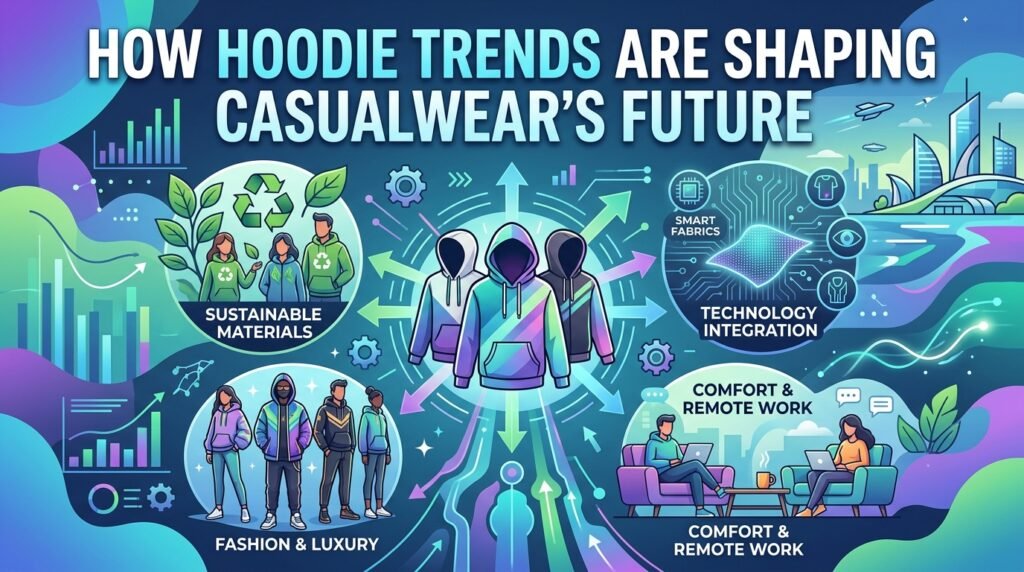
How Hoodie Trends Are Shaping Casualwear's Future
Casualwear has changed dramatically over the past decade, and few garments illustrate that transformation better than the hoodie. Once associated primarily with athletic clothing, college wardrobes, and relaxed weekend dressing, the hoodie has become a defining part of modern everyday fashion. It now moves comfortably between streetwear, travel outfits, work-from-home wardrobes, layering systems, and contemporary lifestyle collections.
This shift is not simply about a single garment becoming popular. It reflects a broader change in what consumers expect from clothing. Comfort, versatility, individuality, practicality, and visual identity increasingly influence purchasing decisions. The hoodie brings these qualities together in a format that can be adapted to countless aesthetics, from understated basics to bold graphic designs and camouflage-inspired looks.
As brands respond to these expectations, hoodie design is becoming more sophisticated. Fabric weight, silhouette, color, graphics, construction details, and styling all play a role in determining how a hoodie fits into the modern casualwear market. Understanding these developments can help brands and consumers recognize where casual fashion is heading next.
Why the Hoodie Has Become a Casualwear Essential
The hoodie succeeds because it solves several everyday clothing needs at once. It provides warmth without the formality of a jacket, creates an easy layering option, and works across a wide range of outfits. A single hoodie can be paired with denim, cargo trousers, joggers, shorts, sneakers, or boots, making it one of the most adaptable pieces in a contemporary wardrobe.
Its appeal has also expanded because consumers increasingly prioritize clothing that can move between different parts of their day. Morning commutes, coffee runs, casual offices, travel, social gatherings, and evenings at home may all require slightly different levels of comfort and presentation. The modern hoodie can accommodate those transitions with relatively little effort.
- Comfort: Soft fabrics and relaxed construction make hoodies suitable for extended everyday wear.
- Versatility: They can function as standalone tops or as mid-layers beneath coats and jackets.
- Styling potential: Colors, graphics, embroidery, prints, and silhouettes create opportunities for personal expression.
- Seasonal flexibility: Lightweight versions can work during transitional weather, while heavyweight designs provide additional insulation.
- Cross-generational appeal: Hoodies are no longer restricted to a particular age group or subculture.
These characteristics have helped transform the hoodie from a secondary wardrobe item into a central component of casual fashion.
From Athletic Staple to Streetwear Statement
One of the most important developments in hoodie culture has been the relationship between casualwear and streetwear. Streetwear introduced a more expressive approach to everyday clothing, where oversized proportions, distinctive graphics, limited releases, and recognizable design cues could create strong cultural identity.
The hoodie became an ideal canvas for this movement. Its large front and back panels provide ample space for artwork, logos, typography, embroidery, and other visual elements. At the same time, its familiar shape remains accessible enough for everyday consumers.
Contemporary brands have consequently begun experimenting with silhouettes that range from cropped and fitted designs to oversized and deliberately relaxed proportions. The result is a market where the word “hoodie” describes a broad family of products rather than one standardized garment.
For brands, this creates an important opportunity. Instead of treating hoodies as basic merchandise, designers can use them to communicate a brand’s personality. A minimalist heavyweight pullover can signal premium simplicity, while a graphic oversized hoodie can communicate youth culture and streetwear influence.
Personal Identity Is Driving Hoodie Design
Today’s casualwear consumer often wants clothing to communicate something about personal identity. This does not necessarily mean wearing an obvious logo. Subtle color choices, unusual graphics, distinctive construction, and references to particular cultural movements can all influence how a garment is perceived.
This trend is encouraging greater variety in hoodie collections. Rather than offering one standard black or gray pullover, brands can build collections around multiple visual directions. Neutral shades can appeal to minimalist shoppers, while washed tones and vintage-inspired treatments can attract consumers seeking a lived-in aesthetic.
Graphic storytelling is another important area. A thoughtfully designed graphic can transform an otherwise familiar hoodie into a recognizable statement piece. Brands may use typography, illustrations, symbols, photography, or thematic artwork to build emotional associations around a collection.
Even product naming and presentation can contribute to this identity-driven approach. For example, a coach hoodie can be positioned around an athletic or team-inspired aesthetic, demonstrating how a familiar hoodie format can connect with a specific lifestyle narrative without losing its everyday practicality.
How Silhouettes Are Changing the Hoodie Market
Fit has become one of the most visible areas of experimentation in contemporary casualwear. For years, the standard hoodie was relatively straightforward: a regular fit, ribbed cuffs, a kangaroo pocket, and an adjustable hood. Today’s market offers considerably more variation.
| Hoodie Direction | Key Characteristics | Casualwear Appeal |
|---|---|---|
| Oversized | Relaxed body, dropped shoulders, generous sleeves | Strong connection to streetwear and relaxed styling |
| Classic Regular Fit | Balanced proportions and traditional construction | Easy everyday wear and broad consumer appeal |
| Heavyweight | Dense fabric, structured appearance, substantial hand feel | Premium positioning and durability |
| Graphic | Large prints, typography, artwork, or branding | Personal expression and visual recognition |
| Camouflage-Inspired | Patterned fabric or military-influenced visual details | Utility, outdoor, and streetwear associations |
Oversized hoodies have been particularly influential because they challenge traditional ideas about fit. The relaxed silhouette can create a deliberately effortless appearance and works especially well with wide-leg trousers, cargo pants, and layered outfits.
At the other end of the spectrum, cleaner and more structured hoodies appeal to shoppers who want comfort without an excessively loose silhouette. This diversity suggests that future hoodie collections will increasingly focus on distinct fit profiles rather than relying on a single universal shape.
Patterns Are Giving Familiar Hoodies a New Personality
Pattern is another area where the hoodie is evolving. Solid colors remain essential because of their versatility, but patterned designs provide brands with a way to create more distinctive collections. Camouflage is particularly interesting because it combines functional heritage with contemporary fashion appeal.
The modern interpretation of camouflage does not necessarily need to look like traditional military clothing. Designers can experiment with scale, contrast, color combinations, and placement to create patterns that feel more fashion-oriented.
A product such as an abercrombie camo hoodie demonstrates how camouflage can be integrated into a casual silhouette while creating a stronger visual identity than a conventional solid-color pullover.
Patterns also provide an opportunity for consumers to diversify their wardrobes. Someone may own a neutral hoodie for everyday use and choose a patterned version when they want an outfit with greater visual impact. This creates room for brands to offer multiple design tiers without abandoning the fundamental appeal of the hoodie.
Comfort Is Becoming More Sophisticated
The future of casualwear is not simply about making clothing softer. Consumers are becoming more attentive to the overall experience of wearing a garment. Fabric weight, breathability, stretch, softness, construction quality, and durability all influence perceived value.
Heavyweight cotton, brushed interiors, fleece constructions, and premium blends can give a hoodie a more substantial feel. Meanwhile, lighter fabrics may be preferable for layering and warmer climates. The important point is that comfort is becoming a design consideration rather than an afterthought.
Construction also matters. Well-designed cuffs help retain shape, reinforced seams can improve durability, and carefully proportioned hoods can make the garment more comfortable when worn up. Pockets, drawcords, zippers, and other components can further affect functionality.
This emphasis on practical comfort aligns with a larger casualwear trend: consumers want garments that perform well in real life while still looking intentional.
The Rise of Emotionally Distinctive Casualwear
Another emerging direction is the use of emotionally resonant designs. Casualwear does not have to be purely functional. A hoodie can carry a message, reference a memory, represent a community, or create a sense of belonging.
This is particularly relevant to younger consumers, who often discover products through social platforms and visual communities. A distinctive garment can become part of an online aesthetic, encouraging consumers to associate certain silhouettes, colors, and graphics with particular lifestyles.
A sincerely yours hoodie, for instance, can be understood within this broader movement toward products that use naming, graphics, and visual storytelling to create an emotional identity around casual clothing.
For fashion businesses, the lesson is clear: product development and storytelling increasingly need to work together. A strong hoodie is not only comfortable and well constructed; it can also give consumers a reason to feel connected to the design.
How Brands Can Respond to Changing Hoodie Trends
Brands looking to capitalize on hoodie demand should avoid treating every trend as a reason to produce more products. Successful collections generally have a clear purpose behind each design. Understanding the target customer, intended use, price positioning, and aesthetic direction can prevent collections from becoming repetitive.
- Identify the consumer: Determine whether the hoodie is intended for streetwear enthusiasts, athletes, students, travelers, professionals, or general lifestyle consumers.
- Define the silhouette: Choose between regular, relaxed, oversized, cropped, or structured proportions based on the intended audience.
- Select the fabric strategically: Match fabric weight and composition to climate, season, price point, and desired performance.
- Build a recognizable visual identity: Use graphics, colors, patterns, embroidery, or construction details that reinforce the broader brand aesthetic.
- Test functionality: Evaluate comfort, washing performance, colorfastness, seam strength, pocket placement, and overall fit before scaling production.
- Use collections rather than isolated products: Coordinate hoodies with trousers, outerwear, accessories, and footwear to create a complete lifestyle proposition.
This approach can help brands respond to changing demand without becoming overly dependent on short-lived fashion cycles.
Where Hoodie Trends Could Take Casualwear Next
The hoodie is likely to remain influential because it sits at the intersection of several long-term consumer preferences. People want comfort, but they also want clothing with personality. They want versatile pieces, but they still appreciate distinctive design. They want casual silhouettes, yet they increasingly expect better materials and construction.
Future hoodie development may therefore focus on smarter fabric choices, more refined fits, adaptable layering, responsible sourcing, and highly specific aesthetic niches. Instead of one dominant hoodie style, the market is likely to continue fragmenting into specialized interpretations designed for different lifestyles.
Sustainability may also become increasingly important. Longer-lasting garments, recycled or responsibly sourced materials, reduced waste, and more thoughtful production practices can influence purchasing decisions. Durability itself can become part of a product’s value proposition: a hoodie that maintains its shape, color, and softness through repeated wear offers a stronger long-term proposition than a disposable trend piece.
Technology may influence the category as well. Performance fabrics, temperature-regulating materials, odor-resistant treatments, and innovative textile blends could bring elements of activewear into everyday hoodies. Meanwhile, digital design and on-demand manufacturing may make smaller, more personalized collections increasingly practical.
Frequently Asked Questions (FAQs)
Why are hoodies so important to modern casualwear?
Hoodies combine comfort, versatility, practicality, and self-expression. Their ability to work across different settings and styling approaches has made them a foundational part of contemporary casual wardrobes.
Are oversized hoodies still influencing fashion?
Yes. Oversized silhouettes remain influential because they align with relaxed streetwear aesthetics and offer substantial layering and styling possibilities. However, regular and structured fits continue to serve consumers who prefer a cleaner appearance.
Why are graphic and patterned hoodies becoming more popular?
Graphics and patterns give consumers a way to communicate personality and differentiate their outfits. For brands, they also create additional opportunities for storytelling and visual recognition.
What makes a hoodie feel premium?
Premium perception can come from fabric quality, weight, softness, construction, fit, finishing details, durability, and thoughtful design. Strong branding and distinctive visual elements can further increase perceived value.
Will hoodies remain relevant as casualwear evolves?
The hoodie is well positioned to remain relevant because its fundamental benefits—comfort, layering, adaptability, and expressive potential—align with enduring consumer preferences. Its appearance and construction may change, but the basic category is likely to remain a casualwear staple.
Embrace the Next Generation of Casualwear
Hoodie trends are doing more than refreshing seasonal collections; they are helping redefine what consumers expect from everyday clothing. The category has evolved from a simple athletic staple into a flexible platform for comfort, identity, streetwear influence, functional design, and creative expression.
For consumers, that means more choices and more ways to build distinctive wardrobes. For brands, it represents an opportunity to develop products that combine strong design with genuine everyday utility. The businesses that understand this balance will be best positioned to shape the next chapter of casualwear.
Whether the future favors oversized proportions, premium basics, expressive graphics, innovative fabrics, or new interpretations of classic patterns, one thing is clear: the hoodie will continue to have a major role in defining how casual fashion looks and feels.
Ready to explore the next wave of casual style? Look beyond basic essentials and choose hoodie designs that combine comfort, character, versatility, and lasting wardrobe value.