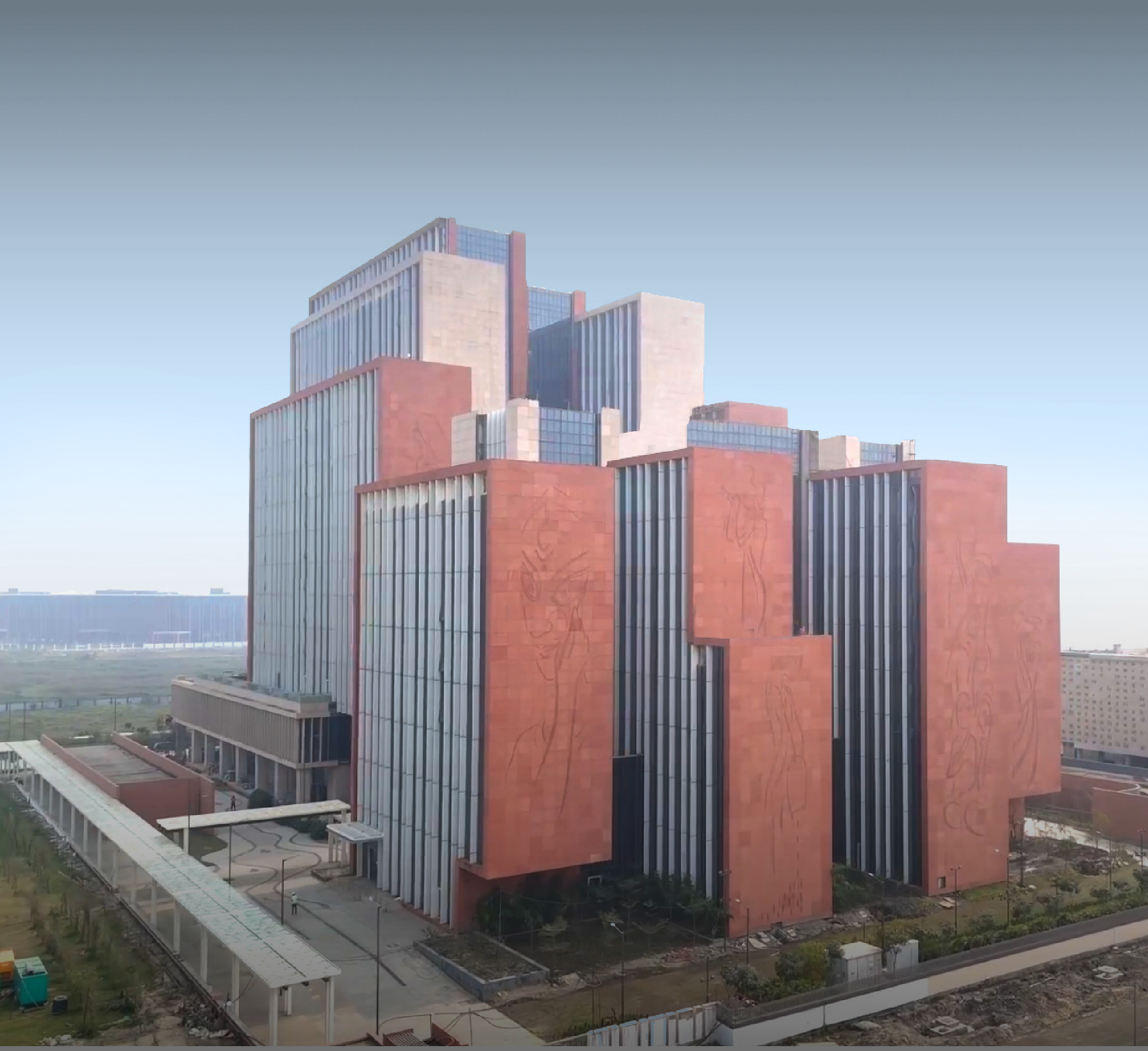
The hospitality and commercial sectors are among the most dynamic areas of architecture, where design directly influences user experience, brand identity, and business performance. In today’s competitive market, hotels, resorts, restaurants, and mixed-use developments must offer more than functionality—they must create memorable experiences. This is where hospitality architects play a transformative role. By combining creativity, operational insight, and technical expertise, they redefine how hotels and commercial property’s function and engage with people.
The Expanding Role of Hospitality Architecture
Hospitality architecture goes far beyond designing guest rooms and lobbies. Modern hospitality architects focus on storytelling through space, ensuring that every area—from arrival zones to service corridors—contributes to a seamless guest journey. Design decisions are guided by comfort, efficiency, and emotional connection, helping hospitality brands stand out in a crowded marketplace.
As travel preferences evolve, guests now seek immersive environments that reflect local culture while offering modern amenities. Architects respond by creating spaces that balance global standards with regional character, making hospitality architecture both experiential and context-driven.
Intersection of Hospitality and Commercial Design
Hotels and hospitality venues often function as commercial hubs, incorporating restaurants, retail spaces, conference facilities, and entertainment zones. This overlap demands the expertise of a skilled commercial architect who understands revenue optimization, foot traffic flow, and operational efficiency.
When hospitality architecture aligns with commercial objectives, spaces become profitable and user-friendly. Thoughtfully designed layouts improve circulation, reduce operational costs, and enhance guest satisfaction. The synergy between hospitality and commercial architecture ensures that design supports both experience and business goals.
Designing for Guest Experience and Brand Identity
Guest experience is at the heart of hospitality design. Hospitality architects carefully consider lighting, acoustics, materials, and spatial proportions to create welcoming environments. Lobbies are no longer just waiting areas; they are social hubs that encourage interaction and relaxation.
Brand identity is also embedded in architectural elements. From façade design to interior detailing, architecture communicates a hotel’s personality. A well-executed design by a commercial architect reinforces brand recognition while maintaining consistency across multiple properties.
Sustainability in Hospitality and Commercial Architecture
Sustainability has become a defining factor in modern hospitality projects. Energy efficiency, water conservation, and responsible material selection are now essential components of architectural planning. Leading hospitality architects integrate passive design strategies, natural ventilation, and renewable energy systems into hotels and resorts.
For commercial properties, sustainable design reduces long-term operational costs while meeting regulatory and environmental standards. A forward-thinking commercial architect ensures that sustainability enhances both environmental responsibility and economic performance.
Functional Planning and Operational Efficiency
Behind every successful hotel or commercial property lies meticulous planning. Service areas, back-of-house circulation, and staff facilities must function efficiently without disrupting guest spaces. Hospitality architects work closely with operators to understand workflows, ensuring that design supports smooth daily operations.
Similarly, a commercial architect focuses on optimizing space utilization, ensuring that every square foot contributes to the property’s purpose. Efficient planning improves maintenance, safety, and scalability, making properties adaptable to future needs.
Adapting to Changing Market Trends
The hospitality industry is constantly evolving, influenced by technology, travel behavior, and lifestyle changes. Modern guests value flexibility, wellness, and personalization. Hospitality architects respond by designing adaptable spaces that can host multiple functions, from co-working to social events.
Technology integration is another key trend. Smart rooms, digital check-ins, and automated building systems are now standard expectations. A skilled commercial architect seamlessly incorporates these technologies without compromising aesthetics or functionality.
Urban Hospitality and Mixed-Use Developments
In urban settings, hotels often form part of larger mixed-use developments that include offices, retail, and public spaces. Designing such projects requires a holistic approach. Hospitality architects collaborate with urban planners and commercial specialists to create cohesive developments that contribute positively to the cityscape.
These projects demand careful zoning, noise control, and access planning. The role of the commercial architect becomes crucial in ensuring that hospitality functions coexist harmoniously with other commercial components.
Creating Long-Term Value Through Design
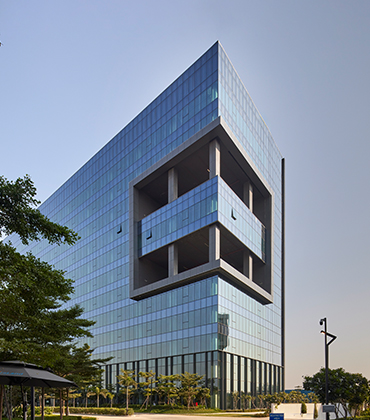
Architectural excellence in hospitality and commercial properties is an investment in long-term value. Well-designed buildings attract higher occupancy rates, stronger brand loyalty, and improved operational efficiency. Hospitality architects focus on timeless design principles that age gracefully, reducing the need for frequent renovations.
A strategic commercial architect ensures durability, compliance, and adaptability, helping properties remain competitive in changing markets. Together, they create environments that support growth and resilience.
The Future of Hospitality and Commercial Architecture
The future of hospitality architecture lies in human-centric and sustainable design. Wellness-focused spaces, biophilic elements, and climate-responsive architecture will continue to shape hotels and commercial properties. Hospitality architects will increasingly emphasize emotional well-being, cultural authenticity, and environmental harmony.
As commercial developments become more complex, the role of the commercial architect will expand, requiring interdisciplinary collaboration and innovative thinking to meet evolving demands.
Conclusion
Hospitality architecture has the power to transform hotels and commercial properties into destinations that inspire, engage, and perform. Through thoughtful design, hospitality architects enhance guest experiences while aligning architecture with brand and business objectives. The expertise of a skilled commercial architect ensures that these spaces remain efficient, sustainable, and future-ready. Renowned architectural practices such as Morphogenesis exemplify this integrated approach, delivering hospitality and commercial projects that combine innovation, sustainability, and design excellence to create lasting impact.
Read More – Architecture Company in India Integrating Design, Technology, and Sustainability