Energy-efficient homes require reliable ventilation that supplies fresh air while limiting the loss of indoor warmth. A house heat exchanger transfers thermal energy from extracted indoor air to incoming outdoor air, helping conserve heat during routine air exchange. This approach is particularly suitable for well-insulated properties where temperature stability and controlled energy consumption are key priorities. By recovering some of the warmth that would otherwise be released outside, the system can lower the extra heating needed to maintain comfortable conditions. When incorporated into an appropriate ventilation layout, heat exchange technology also enables regular air renewal and assists with moisture management, supporting a balance between energy performance and indoor air quality.
Reducing Household Energy Loss with Residential Heat Exchange
Heat exchange technology supports household energy efficiency by transferring thermal energy between outgoing indoor air and incoming fresh air. This reduces the heat lost through ventilation and can lower the demand on conventional heating and cooling equipment. Recovering some of this energy helps maintain comfortable indoor conditions while allowing stale air to be replaced regularly.
Rather than allowing all indoor warmth to escape, the system captures part of the energy before extracted air leaves the property. This may help decrease energy consumption and utility costs while supporting more efficient use of household resources. Fresh air continues to circulate without losing as much of the energy previously used to regulate indoor temperatures.
In homes designed for efficient performance, heat exchange offers a practical means of combining ventilation with thermal conservation. By limiting unnecessary heat loss and supporting indoor comfort, this technology can contribute to energy-conscious residential design.
Maintaining Stable Indoor Conditions through Heat Recovery
A house heat exchanger helps limit temperature fluctuations by recovering thermal energy during ventilation. In colder conditions, heat from outgoing indoor air can warm incoming outdoor air before it enters the residence, reducing the extra heating required to maintain comfort. In warmer weather, the outcome depends on the system’s design and settings, which determine how heat transfer responds to changing conditions.
Thermal recovery can also reduce the workload on heating and cooling equipment. This may help maintain more consistent temperatures throughout the home while limiting the energy needed to respond to outdoor weather changes.
By coordinating fresh-air delivery with heat recovery, the system helps create a more balanced indoor environment across different seasons. Performance varies with climate, building construction, and equipment efficiency, but an appropriately selected system can support comfort while reducing unnecessary energy use.
Retaining Thermal Energy during Everyday Air Exchange
Conventional ventilation can discharge conditioned indoor air directly outside, allowing useful heating or cooling energy to escape. A house heat exchanger reduces this loss by transferring thermal energy from outgoing air to incoming fresh air. This enables regular air replacement while preserving some of the energy already used to condition the home.
Heat recovery may reduce the demand placed on conventional heating equipment and help control residential energy consumption. At the same time, replacing stale indoor air can assist with removing excess humidity, unwanted odours, and certain airborne contaminants, contributing to a more comfortable living environment.
Combining thermal recovery with planned ventilation provides a practical approach to managing household energy. By retaining some useful heat without restricting fresh-air supply, this technology can support comfortable, well-ventilated homes with lower heating requirements.
Improving Air Distribution across Residential Spaces
Effective air circulation contributes to comfortable temperatures and suitable indoor air quality throughout a home. A house heat exchanger maintains ongoing air exchange by removing used indoor air and introducing fresh outdoor air. Depending on the filtration provided, the system may also capture selected airborne particles, such as dust and some allergens. Proper airflow design can help reduce temperature differences between rooms.
Coordinating ventilation and heat recovery helps meet fresh-air needs while preserving indoor warmth more effectively. Appropriate equipment sizing, well-designed ductwork, and balanced air distribution all affect how efficiently air moves through the property.
When included in a suitable residential ventilation plan, heat exchange technology can support fresher indoor conditions while limiting unnecessary thermal losses. This combination is beneficial for homes seeking to balance everyday comfort, efficient energy use, and responsible operation.
Bringing Passive House Ventilation Principles into Residential Design
A passive house ventilation system contributes to energy-efficient construction by combining controlled ventilation with airtight building methods and effective insulation. These elements help reduce unwanted heat loss while maintaining a supply of fresh indoor air. A house heat exchanger supports this strategy by transferring thermal energy from extracted air to incoming outdoor air.
During colder weather, the recovered warmth can reduce the additional heating needed to maintain comfortable indoor temperatures. Unlike basic ventilation methods that discharge conditioned air without substantial heat recovery, these systems aim to retain useful energy while continuing to renew indoor air.
Suitable filtration may also capture certain airborne particles before incoming air reaches living spaces, while stale air is extracted. By combining managed airflow, thermal recovery, and an efficient building envelope, passive house ventilation can support comfortable interiors and more efficient long-term residential performance.
Controlling Indoor Moisture with Regular Ventilation
Keeping humidity within suitable levels helps protect residential structures and maintain comfortable living conditions. A house heat-exchanger supports moisture management by continuously exchanging indoor air with outdoor air. Humid air can be extracted as fresh, filtered air enters the property, helping prevent excess moisture from building up indoors.
Managing humidity effectively can reduce condensation and damp conditions that encourage mould and mildew development, which may affect indoor air quality. It can also help protect building materials from moisture-related damage, supporting the property’s long-term condition.
Appropriate humidity levels contribute to a more pleasant indoor environment by helping limit irritants associated with poor air circulation. An efficiently operated heat-exchanger promotes ongoing airflow while recovering thermal energy, supporting indoor freshness without unnecessary loss of heat.
Supporting Energy-Efficient Homes with Thermal Recovery
Heat recovery contributes to efficient residential design by capturing thermal energy that would otherwise leave the building and putting it to further use. A house heat-exchanger transfers warmth from outgoing exhaust air to incoming fresh air, helping improve overall thermal efficiency. This process may reduce reliance on conventional heating equipment and lower household energy demand.
Reusing available heat helps manage indoor temperatures more efficiently while encouraging responsible energy consumption. These systems can be particularly beneficial during colder weather, when recovered warmth may help maintain comfortable conditions with less additional heating.
Making better use of existing thermal energy illustrates how ventilation technology can contribute to more sustainable housing practices. By limiting avoidable heat loss and improving energy performance, heat recovery can support residential designs focused on efficiency and reduced environmental impact.
Adapting Home Ventilation to Different Weather Conditions
Changing outdoor temperatures can influence how residential ventilation systems manage indoor comfort. A house heat exchanger helps respond to these seasonal variations by transferring thermal energy between outgoing indoor air and incoming fresh air. During colder weather, recovered warmth can help preheat incoming air, reducing heat loss and limiting the additional energy needed to maintain comfortable indoor temperatures.
In warmer conditions, ventilation can help remove stale air and manage indoor heat, depending on the system’s design and operating settings. This allows fresh-air circulation to continue while helping maintain suitable living conditions.
By combining regular air replacement with thermal energy recovery, heat-exchanger technology can support residential ventilation across changing seasons. Its ability to conserve useful energy while maintaining airflow makes it a practical option for homes seeking consistent comfort and more efficient energy use throughout the year.
Practical Applications of Heat Exchangers in Residential Buildings
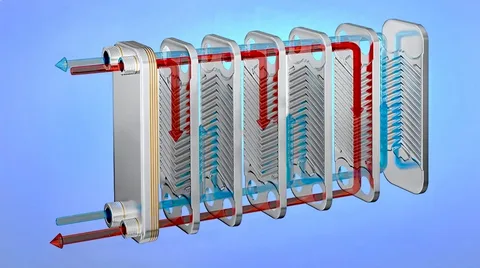
Heat exchangers can support several residential applications by transferring thermal energy between different air or fluid streams. Within home ventilation systems, they recover energy from outgoing air and transfer it to incoming air, helping maintain indoor comfort while reducing thermal losses during air exchange.
Domestic hot water systems can also use heat exchangers to recover energy from wastewater and preheat incoming water, potentially reducing the energy required for additional heating. In solar thermal installations, the technology transfers collected heat to water or another suitable medium. Heat exchangers may also form part of hydronic underfloor heating arrangements, where they help transfer thermal energy between system circuits.
These applications demonstrate how heat exchange can contribute to more efficient household energy management. By recovering and reusing available heat where suitable, residential systems can reduce unnecessary energy demand while supporting practical heating and ventilation requirements.
Enhancing Residential Energy Performance with Heat Recovery Technology
An energy recovery heat exchanger helps limit thermal losses during ventilation by transferring warmth from outgoing indoor air to incoming fresh air. This reduces the amount of useful heat released as stale air exits the property and may decrease reliance on conventional heating equipment. The level of energy savings varies according to system efficiency, operating conditions, and the home’s ventilation demands.
Recovering thermal energy enables fresh-air circulation to continue while retaining more of the energy previously used to maintain indoor temperatures. The process can also reduce temperature differences between incoming air and occupied spaces, helping preserve comfort as outdoor conditions fluctuate.
Selecting equipment suited to the property’s dimensions and airflow requirements, together with professional installation and routine servicing, can support consistent operation. By combining controlled air exchange with thermal recovery, an energy recovery heat exchanger can help reduce energy consumption and improve overall residential efficiency.
Conclusion
A house heat exchanger supports efficient home ventilation by transferring heat between separate incoming and outgoing air streams. Recovering this thermal energy can reduce unnecessary heat loss and help maintain more consistent indoor conditions. Ongoing air exchange also assists with removing stale air and managing excess moisture in residential spaces. When incorporated into energy-efficient building strategies, including passive-house construction, heat exchangers can help lower the demands placed on heating and cooling equipment. Their ability to combine fresh-air circulation with thermal recovery makes them a useful component of comfortable, energy-conscious residential design.
FAQs
What happens when a house heat exchanger operates?
A house heat exchanger moves incoming and outgoing air through distinct passages so thermal energy can transfer between them. This process introduces fresh outdoor air while retaining some indoor heat, helping reduce temperature fluctuations.
How does appropriate indoor humidity benefit a household?
Maintaining suitable humidity levels can reduce the likelihood of condensation, damp surfaces, and conditions favourable to mould. Heat-recovery ventilation assists by extracting humid indoor air and replacing it with fresh outdoor air.
Can heat exchangers help reduce the energy needed for domestic hot water?
Certain heat exchangers recover thermal energy from outgoing wastewater and use it to warm incoming cold water. Preheating the water can decrease the additional energy required by a domestic water-heating system.
How can heat exchangers help maintain comfort in different seasons?
During colder months, heat recovered from exhaust air can preheat incoming outdoor air. In suitable systems during warmer weather, thermal exchange can help limit unwanted heat entering the property, supporting more comfortable indoor temperatures as outdoor conditions vary.
| Related Business Listings |
| Contact Directory |
| Local Business Profiles |