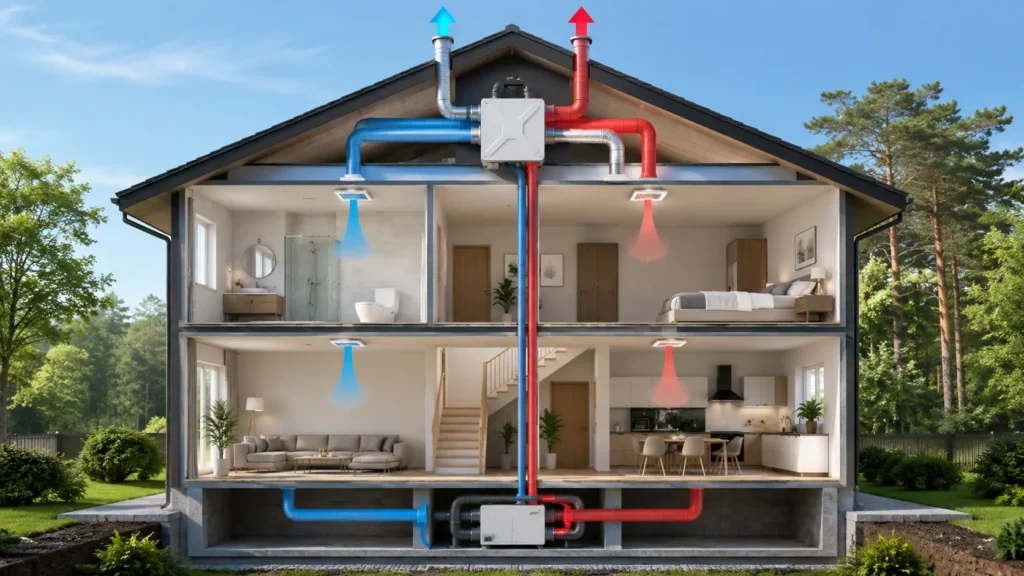
Ensuring adequate ventilation within a home is fundamental to maintaining a healthy and comfortable indoor environment. Modern homes, with their focus on energy efficiency, often require carefully designed ventilation systems to manage air circulation effectively. House ventilation systems work to remove stale air, regulate humidity levels, and introduce fresh air, creating a balanced indoor climate. Proper ventilation is essential not only for controlling odours and preventing moisture build-up but also for reducing airborne pollutants. By promoting better air quality and comfort, a well-ventilated home supports overall well-being and contributes to the long-term preservation of the property.
Understanding Mechanical-Ventilation Systems
Mechanical-ventilation systems operate through the use of fans and ducts to manage indoor air circulation effectively. These systems are engineered to draw in fresh air from the outdoors while simultaneously expelling stale air, ensuring a consistent exchange. A crucial component is the ventilation ductwork, which allows air to be evenly distributed throughout the building. Some systems are designed with additional features, such as heat recovery units, which conserve energy by transferring heat from outgoing air to incoming air.
This design minimises energy loss and supports energy efficiency. Mechanical systems are particularly advantageous in modern homes, where airtight construction can limit natural airflow. By maintaining a continuous exchange of air, these systems reduce indoor pollutants, improve overall air quality, and contribute to a more comfortable living environment.
They are highly adaptable, making it possible to tailor their operation based on specific needs, such as managing humidity levels or addressing particular problem areas in the home. Their capability to provide a controlled and balanced ventilation solution ensures that indoor spaces remain fresh and conducive to good health.
Benefits of Mechanical Ventilation
Mechanical ventilation offers significant advantages by providing a controlled and consistent airflow, ensuring a healthier and more comfortable indoor environment. These systems actively reduce indoor pollutants, such as dust, pollen, and other allergens, thereby creating a space that supports better respiratory health. Their ability to regulate humidity levels is particularly beneficial, as it prevents excessive moisture, reducing the risk of dampness and mould growth, which can compromise both structural integrity and air quality.
Additionally, mechanical ventilation enhances thermal comfort by facilitating the exchange of air without the need for opening windows, which can introduce noise or external contaminants. This aspect is particularly valuable in urban settings or during extreme weather conditions, where natural ventilation may not be feasible.
By promoting even air distribution across all areas of a property, these systems prevent the build-up of stale or stagnant air in enclosed spaces. Furthermore, their ability to integrate energy-efficient features, such as heat recovery units, supports the creation of an eco-friendly and cost-effective household while maintaining high air quality standards.
Types of Mechanical-Ventilation Systems
Mechanical-ventilation systems are categorised based on their functionality and design, tailored to meet various needs in residential settings. Exhaust-only systems focus on extracting stale air from specific areas prone to moisture or odours, such as bathrooms and kitchens.
Supply-only systems, on the other hand, introduce fresh air into the building, ensuring a constant influx of outdoor air. Balanced ventilation systems incorporate both exhaust and supply mechanisms to maintain an equilibrium, often featuring advanced components like heat recovery ventilators for enhanced energy efficiency.
Heat recovery ventilation systems are particularly valuable in colder climates, as they transfer heat from outgoing air to incoming air, reducing energy wastage. Another option is energy recovery ventilation, which also moderates humidity levels while transferring heat. The choice of system depends on factors such as the property’s size, layout, and specific ventilation requirements.
Installation Considerations for Homeowners
When planning the installation of a mechanical-ventilation system, assessing the specific requirements of the property is crucial. Factors such as the size of the home, its layout, and existing structural features determine the most suitable system type and configuration. Proper placement of components, including ducts and vents, ensures optimal airflow and efficiency. The selection of fan types and system capacity must align with the building’s needs to achieve effective ventilation without overloading energy use.
Collaboration with trained professionals is often essential to ensure compliance with local regulations and standards, as well as to identify potential improvements during the design phase. Installation typically involves creating unobtrusive pathways for ductwork and integrating controls that allow adjustments for airflow and temperature. Insulation around ducts may be necessary to prevent energy loss and minimise noise. A thoughtful approach to installation not only enhances system performance but also supports a sustainable and comfortable living environment.
Energy Efficiency of Mechanical Ventilation System
A mechanical ventilation system is designed to optimise energy use while maintaining effective air circulation. Advanced systems often incorporate features like heat recovery technology, which captures thermal energy from outgoing stale air and transfers it to incoming fresh air. This process reduces the reliance on additional heating, resulting in significant energy savings over time.
Proper insulation of ductwork further enhances energy efficiency by minimising heat loss and ensuring optimal performance. The use of energy-efficient motors in fans can lower electricity consumption, contributing to reduced utility costs. Many systems also allow for programmable settings, enabling precise control over operation times and air exchange rates to avoid unnecessary energy use.
By adapting to the specific requirements of the property, these systems provide effective ventilation without compromising energy efficiency. When combined with sustainable construction practices, mechanical-ventilation systems play a crucial role in promoting eco-friendly living and reducing a household’s overall environmental footprint.
Comparing Mechanical and Natural Ventilation
Mechanical ventilation and natural ventilation operate on fundamentally different principles, each with unique attributes suited to varying environments. Mechanical ventilation utilises powered systems, such as fans and ductwork, to deliver consistent and controlled airflow, independent of external conditions.
This makes it particularly effective in sealed or energy-efficient buildings where natural airflow may be limited. In contrast, natural ventilation depends on passive mechanisms, such as windows, vents, and openings, to allow air exchange driven by wind and temperature differences. While natural ventilation can be cost-effective and energy-free, its effectiveness often fluctuates based on weather conditions and building orientation.
Mechanical systems offer additional benefits, such as the integration of filters to reduce allergens and pollutants, whereas natural ventilation may introduce external contaminants, including pollen and dust. Additionally, mechanical systems are more adept at maintaining balanced humidity levels and thermal comfort, particularly in urban or extreme climates where natural ventilation methods may fall short. Both approaches serve distinct purposes depending on specific property requirements.
Maintaining Your Ventilation System
Regular upkeep of a mechanical-ventilation system is essential for maintaining its performance and prolonging its operational life. Key maintenance tasks include inspecting the system’s components, such as fans and ductwork, to identify potential wear or blockages that could impede functionality. Filters require regular cleaning or replacement to prevent the accumulation of dust, allergens, and debris, ensuring efficient airflow and maintaining indoor air quality.
Proper attention should also be given to the system’s controls and settings to confirm that they are functioning correctly and optimally calibrated. Checking for any leaks or damage in ductwork helps prevent energy loss and ensures consistent operation. In cases where the system includes advanced features, such as heat recovery units, additional attention is needed to keep these components operating efficiently. Collaborating with qualified professionals for periodic inspections can help identify potential issues early, minimising the risk of costly repairs.
Addressing Common Ventilation Myths
Misconceptions about mechanical-ventilation systems often lead to misunderstandings about their functionality and value. One prevailing myth is that these systems are unnecessary in homes with natural ventilation. However, in modern, energy-efficient buildings with tighter construction, natural airflow may be insufficient to ensure adequate air exchange, making mechanical ventilation a practical necessity.
Another common belief is that mechanical systems consume excessive energy, but advanced designs with energy recovery technology can significantly reduce overall energy usage. Some assume these systems are excessively noisy, yet many models are engineered to operate quietly, ensuring minimal disturbance.
Additionally, concerns about complexity in usage are unfounded, as most systems feature user-friendly controls for straightforward operation. A further misconception is that installation disrupts home interiors, but with proper planning, systems can be integrated seamlessly without altering the aesthetic.
Cost Implications of Mechanical Ventilation
The financial aspects of implementing a mechanical-ventilation system encompass initial installation costs, routine maintenance, and long-term energy savings. Installation costs can vary depending on factors such as the size of the property, the system type, and the complexity of the setup. While the upfront investment may appear substantial, the potential for reduced energy consumption, particularly with energy recovery systems, provides notable savings over time.
These systems help lower heating and cooling costs by recycling heat from outgoing air, contributing to overall efficiency. Maintenance expenses, such as cleaning or replacing filters and periodic system checks, are generally modest and ensure optimal functionality. Moreover, by preventing issues such as moisture-related damage and mould growth, mechanical-ventilation systems can help reduce repair and renovation costs associated with poor air quality.
Improving Air Quality beyond Ventilation
Enhancing indoor air quality requires a multifaceted approach that works in tandem with mechanical-ventilation systems. The introduction of advanced air filtration methods, such as high-efficiency particulate filters, can significantly reduce the presence of fine particles, including allergens and pollutants. Indoor greenery, such as certain plant species, is also recognised for its ability to improve air freshness and naturally filter certain toxins.
Maintaining a clean indoor environment by minimising dust accumulation and using low-emission materials for furnishings and paints can further reduce airborne contaminants. Proper management of humidity levels, using tools like dehumidifiers or humidifiers when necessary, ensures the air remains balanced and less conducive to mould or dust mites. Implementing regular cleaning schedules for carpets, upholstery, and curtains can help limit the build-up of particulate matter.
Conclusion
Mechanical ventilation systems serve as an essential solution for achieving optimal indoor air quality and ensuring consistent airflow within modern homes. These systems are designed to balance comfort and energy efficiency by actively regulating air circulation and humidity levels. By integrating advanced features, such as heat recovery technology, they minimise energy consumption while maintaining a fresh and healthy indoor environment. Proper installation and routine maintenance further enhance their performance, supporting long-term functionality. When paired with complementary methods to manage indoor air quality, these systems create a sustainable and health-conscious living space.
FAQs
What functions does a mechanical ventilation system serve?
A mechanical ventilation system manages indoor air quality by using fans and ductwork to remove stale air and introduce fresh air. It ensures consistent airflow, helping to maintain a healthier living environment.
Can mechanical ventilation operate in all types of buildings?
Mechanical-ventilation systems are adaptable and can be installed in various properties, including energy-efficient homes, where natural airflow is often limited due to airtight construction.
Are mechanical-ventilation systems energy-efficient?
Modern mechanical-ventilation systems often incorporate energy-saving features, such as heat recovery technology, which helps to reduce energy consumption by transferring heat from outgoing to incoming air.
What role do filters play in mechanical ventilation?
Filters in mechanical-ventilation systems capture dust, allergens, and other airborne particles, contributing to cleaner and healthier indoor air. Regular maintenance of filters is crucial for ensuring consistent performance.
Is mechanical ventilation effective in high-humidity environments?
Mechanical-ventilation systems can regulate indoor humidity levels, reducing excess moisture and minimising the risk of mould growth or dampness, which can damage the property and impact air quality.
How is mechanical ventilation maintained?
Proper maintenance involves regular inspection of components, cleaning or replacing filters, and ensuring ductwork remains free from obstructions to maintain optimal system performance over time.
| Related Business Listings |
| Contact Directory |
| Local Business Profiles |