Maintaining good indoor air quality is essential for creating a comfortable home environment. Modern properties are often designed to limit heat loss, but reduced natural airflow can allow moisture, odours, and airborne pollutants to accumulate. A whole house ventilation system helps circulate fresh air throughout the property while removing stale indoor air. This continuous exchange can assist with humidity control, reduce condensation risks, and support more balanced indoor conditions. By improving air circulation across multiple rooms, these systems contribute to a more pleasant living environment. Incorporating suitable ventilation into contemporary housing can help maintain indoor comfort while supporting better management of moisture and everyday airborne contaminants.
How Whole-Home Ventilation Maintains Indoor Air Quality
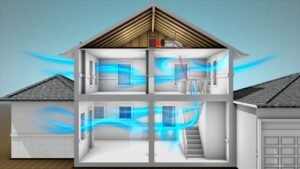
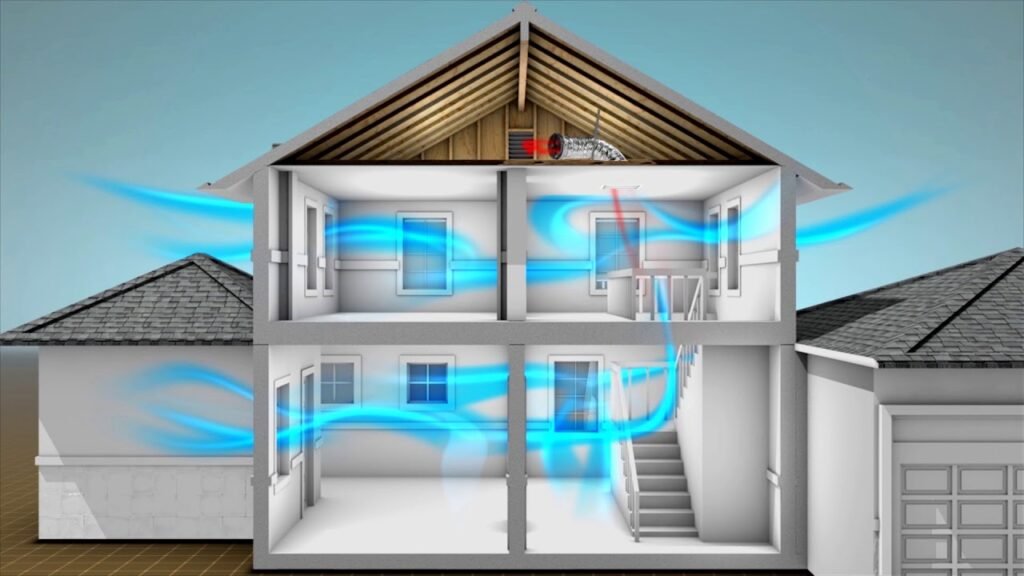
Whole-home ventilation systems continually exchange indoor air with outdoor air, helping maintain a fresher and more comfortable living environment. They remove stale air and excess moisture while introducing fresh air into the property. This process can help reduce the accumulation of common indoor contaminants, including dust, allergens, and certain airborne chemicals, particularly in tightly sealed homes.
Managing indoor humidity is another important function, as excessive moisture can contribute to condensation and mould growth. Consistent air circulation also helps limit lingering odours and maintain more balanced indoor conditions. When appropriately designed and maintained, whole-home ventilation provides a practical way to improve air exchange and support a healthier indoor environment.
Essential Parts of a House Ventilation System
A house ventilation system contains several components that work together to circulate air throughout a property. The main ventilation unit manages the extraction of stale air and the supply of fresh air. Ductwork carries air between the unit and different rooms, while vents provide designated points for air to enter or leave indoor spaces. Filters may capture dust and other airborne particles before they circulate through the home.
Control mechanisms regulate system operation and allow airflow settings to be adjusted according to household requirements. Some systems also incorporate heat recovery technology, which transfers thermal energy between outgoing and incoming air streams. The exact configuration depends on the building layout and ventilation needs. When properly selected and installed, these components help maintain reliable airflow and support indoor comfort.
The Function of Heat Recovery Technology
A heat recovery system improves ventilation efficiency by transferring heat from extracted indoor air to incoming fresh air. As stale air leaves the building, a heat exchanger captures some of its thermal energy and uses it to temper the incoming air without directly mixing the two air streams in a typical system. This reduces the amount of additional heating that may be needed during colder weather.
Heat recovery can be particularly useful in energy-efficient homes where airtight construction limits natural air movement. By combining controlled ventilation with reduced heat loss, these systems can support comfortable indoor temperatures and more efficient energy use. Their performance depends on system design, climate, installation quality, and regular maintenance. This technology helps balance fresh air supply with the goal of limiting unnecessary energy consumption.
How Mechanical Ventilation Recovers Heat
Mechanical ventilation and heat recovery systems use powered fans to manage the movement of air through a building. One airflow removes stale indoor air, while another supplies fresh outdoor air. Within the unit, a heat exchanger transfers thermal energy between these separate air streams, helping reduce heat loss during ventilation.
This arrangement is useful in modern, well-sealed properties where opening windows may not provide sufficient or consistent air exchange. Controlled airflow can help manage indoor moisture and airborne pollutants while maintaining more stable temperatures. Many systems also offer adjustable settings to suit changing household needs. When correctly installed and maintained, mechanical heat recovery ventilation supports indoor air quality while limiting the energy required to replace lost heat.
Planning and Installing Whole-Home Ventilation
Installing a whole-home ventilation system begins with assessing the property’s layout, occupancy, and air exchange requirements. This evaluation helps determine the appropriate equipment size and the placement of ducts, vents, and the central unit. For systems with heat recovery, the installation plan must also accommodate the heat exchanger and its associated airflow connections.
Qualified installers secure the equipment, connect the ductwork, and configure the controls according to the system specifications. Properly sealed connections help prevent unwanted air leakage, while careful planning can reduce operational noise and accommodate available installation space. After installation, airflow and controls should be tested to confirm that the system operates as intended. Professional assessment helps ensure the final setup meets relevant requirements and provides suitable ventilation throughout the home.
Maintaining Heat Recovery Ventilation Equipment
Regular maintenance helps HRV systems maintain effective airflow and consistent performance. Filters should be inspected and cleaned or replaced according to the manufacturer’s instructions, as accumulated dust can restrict air movement. Ductwork and external air openings should also be checked for blockages, damage, or debris that may interfere with ventilation.
The heat exchanger requires periodic inspection and cleaning where recommended to preserve its ability to transfer thermal energy. Fans and other mechanical parts should be checked for unusual sounds or signs of reduced performance. Addressing these issues early may help prevent avoidable breakdowns and maintain the system’s service life. Scheduled professional servicing can identify problems that routine household checks may miss, helping the equipment continue supplying fresh air efficiently.
Advantages of a Whole House Heat Recovery System
A Whole house heat recovery system helps provide a steady supply of fresh air while removing stale indoor air. This ongoing exchange can reduce the accumulation of moisture, lingering odours, and certain airborne pollutants, supporting a more comfortable indoor environment. Depending on the system and its filters, it may also help reduce the circulation of some airborne particles.
Heat recovery is another key advantage because it transfers thermal energy from outgoing air to incoming air, reducing avoidable heat loss. This can lower the additional heating demand associated with ventilation, although actual savings depend on climate, building conditions, and system performance. By combining controlled air exchange with energy-conscious operation, these systems can contribute to indoor comfort and more efficient household energy use.
Getting Better Performance from Whole-Home Heat Recovery Ventilation
Improving the performance of a whole house heat recovery ventilation system involves regular upkeep and appropriate system settings. Filters should be maintained at recommended intervals to prevent restricted airflow, while duct connections should be inspected and sealed where necessary to reduce leakage. Keeping outdoor air intakes and exhaust outlets clear also helps the system operate effectively.
Efficient fans and a well-maintained heat exchanger can support reliable airflow and thermal transfer. Where available, automatic controls can adjust ventilation rates according to occupancy, humidity, or other monitored conditions. Suitable insulation and airtightness within the building can further reduce unnecessary heat loss, provided ventilation remains adequate. Together, these measures help maintain indoor air quality while supporting energy-efficient operation and consistent comfort throughout the property.
Environmental Impact of Heat Recovery Ventilation
Heat recovery ventilation systems contribute positively to environmental sustainability by reducing overall energy consumption within households. By capturing and reusing thermal energy from outgoing air, these systems reduce reliance on conventional heating methods, lowering energy demand. This efficient process reduces greenhouse gas emissions, supporting efforts to mitigate climate change.
Additionally, reduced dependence on fossil fuels helps conserve natural resources. As more homes adopt these systems, the cumulative impact can significantly contribute to creating a more energy-efficient and eco-friendly housing sector. By combining improved air quality with environmental benefits, these systems play an important role in fostering sustainable living practices and reducing the environmental footprint of modern homes.
Recent Innovations in Home Ventilation Technology
Advances in ventilation technology have improved how modern systems manage indoor air quality and energy consumption. Smart sensors can adjust airflow in response to changes in humidity, occupancy, or indoor air conditions, helping systems operate according to household needs. Improved filtration options can capture a range of airborne particles, while modern heat exchangers help recover thermal energy from outgoing air.
Manufacturers have also developed quieter operating components and more compact units to suit residential installations. Integration with smart home controls provides additional convenience by allowing users to monitor settings and adjust ventilation remotely. These developments make contemporary ventilation systems more adaptable and efficient, helping households maintain fresh indoor air while managing energy use.
Factors Affecting the Cost of a Ventilation Installation
The cost of installing a ventilation system varies according to the property’s size, layout, and ventilation requirements. The type of equipment selected, the amount of ductwork needed, and the complexity of installation can all affect the initial price. Professional installation adds to upfront expenses but helps ensure that the equipment is fitted and configured correctly.
Systems with heat recovery, advanced filtration, or smart controls may require a larger initial investment. However, these features can improve operational efficiency and may reduce ongoing energy costs, depending on usage and property conditions. Comparing installation expenses with expected maintenance needs and potential energy savings helps property owners assess the system’s overall long-term value.
Conclusion
Whole house ventilation systems, especially those using mechanical ventilation and heat recovery (MVHR) technology, help maintain comfortable and energy-conscious homes across Australia. In modern, well-sealed properties, these systems remove stale air, excess moisture, and indoor pollutants while supplying filtered outdoor air to occupied rooms. Heat recovery technology transfers warmth from outgoing air to incoming air, helping reduce heating requirements and manage energy consumption. With appropriate design, installation, and regular servicing, a full house ventilation system can support better indoor air quality, limit conditions that encourage mould growth, and contribute to more sustainable household operation.
FAQs
How does a whole house ventilation system operate?
A whole house ventilation system uses mechanical fans to remove stale and moisture-laden air from areas such as kitchens and bathrooms. In systems equipped with heat recovery, outgoing air passes through a heat exchanger that transfers some of its thermal energy to incoming filtered outdoor air. The fresh air is then distributed throughout the home, helping maintain ventilation while reducing heat loss.
Why do modern Australian homes need full house ventilation?
Modern Australian homes often have improved insulation and airtight construction to reduce energy loss. However, limited natural air exchange can allow moisture, allergens, and indoor pollutants to accumulate. A full house ventilation system provides a controlled supply of fresh air and removes stale air, helping manage humidity, reduce conditions favourable to mould, and maintain indoor air quality throughout the year.
How frequently should filters in a full house ventilation system be cleaned or replaced?
Filters in a full house ventilation system should be checked at intervals recommended by the manufacturer, commonly every three to six months. Depending on their condition and the system’s requirements, they may need cleaning or replacement. Regular filter care helps prevent dust and pollen buildup, maintains airflow, and supports effective ventilation and heat recovery performance.
Does a heat recovery ventilation system use substantial electricity?
Modern heat recovery ventilation systems are designed to operate with relatively low electricity consumption, using fans to move air through the property. The actual energy demand depends on the unit, airflow settings, and operating schedule. By recovering some heat from outgoing air, these systems can also reduce heating energy requirements, although overall savings vary with climate, home design, and usage.
Can full house ventilation systems help reduce respiratory allergens?
Full house ventilation systems may help manage airborne allergens when fitted with suitable filters and maintained correctly. Depending on the filtration level, they can capture some outdoor particles, including pollen and dust, before air enters the home. Continuous air exchange may also remove some indoor pollutants and help control excess moisture, reducing conditions that encourage mould growth. However, ventilation alone cannot eliminate all allergens or replace appropriate medical care.
| Related Business Listings |
| Contact Directory |
| Local Business Profiles |